Top Landscaping Services in Eaton, IN, 47303 | Compare & Call

Bailey Hardscape
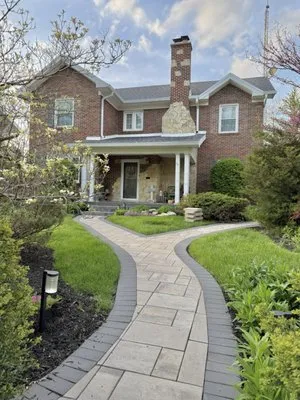
Bailey Hardscape in Eaton is a family-owned business with over 20 years of dedicated experience in transforming outdoor spaces. Founded by a hardscape professional who discovered his passion in his ea...

D&T Lawn Services is a trusted local provider in Eaton, Indiana, specializing in comprehensive lawn care solutions. We understand the common local challenges homeowners face, such as standing water in...
Complete Property Care & Excavation
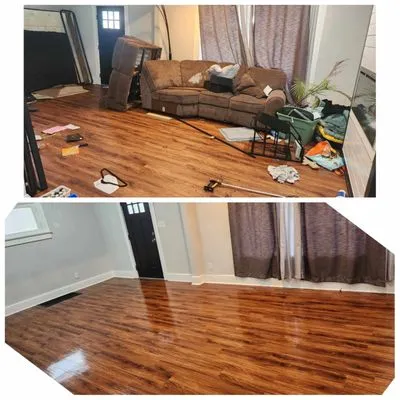
Complete Property Care & Excavation is your trusted, local partner for maintaining and improving your Eaton property. We understand the common challenges homeowners face, from insect damage and patchy...
FAQs
Is it possible to maintain a healthy lawn while following water conservation guidelines?
Yes, smart Wi-Fi soil moisture sensors are the standard for efficient irrigation in Eaton. These systems apply water based on actual evapotranspiration (ET) rates and soil conditions, not a preset schedule. This technology prevents overwatering, which is critical for preserving the root health of Kentucky Bluegrass and Tall Fescue blends. It allows for a resilient turf while operating within voluntary municipal conservation limits.
Are concrete pavers a better long-term choice than wood for a new patio?
Concrete pavers offer superior longevity and stability compared to wood in Eaton's Zone 6a climate, which subjects materials to freeze-thaw cycles. Their non-combustible nature also contributes to a higher Firewise rating by creating defensible space, a consideration even in Eaton's low urban interface risk zone. Paver systems allow for better water permeability than solid slabs when installed with appropriate base materials.
What's the best solution for persistent seasonal ponding in my yard?
Seasonal ponding is a frequent issue with the Blount-Pewamo Silt Loam's high water table and slow percolation. A combination of French drains and regrading to create positive slope away from foundations is often required. Using permeable materials like crushed limestone for pathways instead of solid concrete can also improve surface infiltration and help meet the Delaware County Building Commissioner's runoff management standards.
How should I handle invasive weeds without harming my lawn or violating local laws?
For invasive species like creeping Charlie or Japanese knotweed, targeted manual removal or precise spot-treatment with approved herbicides is necessary. All applications must strictly follow Indiana's Phosphorus Application Restrictions (IC 15-16-11), which prohibit phosphorus-containing fertilizers unless a soil test confirms deficiency. Treatment timing is critical to avoid blackout dates and prevent runoff into the local watershed.
How quickly can a crew respond for storm damage or HOA violation mitigation?
An emergency cleanup crew can typically be dispatched within 25-35 minutes during a peak response scenario. The route from our central dispatch near Eaton Town Hall utilizes IN-3 for efficient access to Eaton Heights. We coordinate arrival windows within standard noise ordinance hours (7:00 AM to 9:00 PM) to ensure compliance while addressing urgent safety or compliance issues like downed limbs or overgrowth.
What permits and licenses are needed for significant grading or retaining wall projects?
Significant earthmoving or structural work on a 0.35-acre lot typically requires a permit from the Delaware County Building Commissioner. State law mandates that such work be performed by or under the direct supervision of a professional licensed by the Indiana Professional Licensing Agency. This ensures engineered solutions for drainage, slope stability, and load-bearing capacity, protecting both your property and downstream neighbors from runoff issues.
Why does my soil seem so compacted and lifeless?
Homes in Eaton Heights, built around 1956, sit on 70-year-old landscapes. The Blount-Pewamo Silt Loam soil common here has naturally low permeability, and decades of foot traffic and conventional maintenance have degraded its structure. This compaction reduces soil percolation, starving root zones of oxygen and water. Core aeration combined with organic compost amendments is necessary to rebuild soil aggregates and biological activity.
Are there lower-maintenance alternatives to my traditional grass lawn?
Transitioning high-maintenance turf areas to a xeriscape featuring natives like Little Bluestem, Common Milkweed, and Wild Bergamot significantly reduces water, mowing, and chemical inputs. This approach builds biodiversity and resilience ahead of tightening noise ordinances that may restrict gas-powered equipment. These deep-rooted perennials also improve soil structure and provide critical habitat, aligning with 2026 ecological landscaping standards.
