Top Landscaping Services in Daleville, IN, 46017 | Compare & Call

Delva Multi Services is your trusted Daleville, IN neighbor for comprehensive outdoor and home improvement solutions. Specializing in lawn care, deck construction, repair, and replacement, we help hom...
Grass Grazers Lawn & Landscaping has been serving Daleville, IN, and surrounding communities since 2019, providing reliable lawn care and landscaping services for both residential and commercial prope...

Victory Hauling & Junk Removal
Victory Hauling & Junk Removal is your trusted, eco-friendly service provider in Daleville, IN, dedicated to simplifying property clean-up and maintenance. We offer fast, reliable, and affordable serv...

Advantage Lawn Care is a trusted, locally-owned lawn service in Daleville, IN, specializing in comprehensive lawn care, gardening, and snow removal. We understand the unique challenges Daleville homeo...
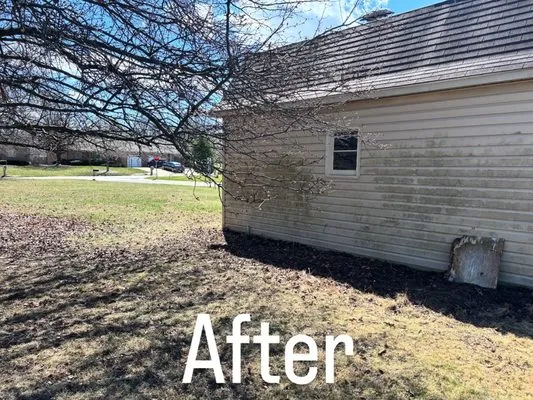
JV Services is a trusted local provider in Daleville, IN, specializing in junk removal, pressure washing, and lawn services. We help homeowners and businesses manage property upkeep with reliable solu...
Clean Cut Landscaping is your trusted local partner for solving Daleville's common landscaping challenges. Many homeowners in our area face issues like poor lawn grading, which can lead to drainage pr...
Frequently Asked Questions
My yard holds water for days after a rain. What's causing this in our area, and what are the most effective solutions?
Poor infiltration is a common issue due to the high clay content in Blount-Pewamo soils. This leads to surface pooling and potential foundation moisture. Solutions begin with improving soil permeability through aeration and adding organic matter. For hardscape areas, specifying permeable concrete pavers or open-joint limestone installations can significantly reduce runoff. These systems help manage stormwater on-site, which may be a requirement for new installations under the Delaware County Building Commissioner's runoff management standards. Solutions include installing French drains, creating rain gardens with native species, and using permeable concrete pavers or limestone set in a gravel base to increase surface permeability.
I'm tired of the weekly mowing and gas blower noise. What are some lower-maintenance, quieter landscaping options?
Transitioning high-maintenance turf areas to climate-adaptive xeriscaping with Indiana natives is a forward-looking strategy. Planting Purple Coneflower, Butterfly Milkweed, Little Bluestem, and Wild Bergamot establishes a resilient, biodiverse landscape that requires no mowing, minimal watering once established, and supports local pollinators. This approach significantly reduces reliance on gas-powered equipment, aligning with evolving noise ordinances and reducing your carbon footprint ahead of broader regulatory trends.
We want to regrade part of our yard. What permits or licensed professionals are required for this work on a quarter-acre lot?
Regrading that alters water flow or involves significant cut and fill typically requires a permit from the Delaware County Building Commissioner. For professional execution, ensure any contractor holds appropriate licensing through the Indiana Professional Licensing Agency. On a 0.25-acre lot, improper grading can create drainage problems for your property and neighbors, making licensed expertise critical. They will ensure the work meets code, manages stormwater effectively, and avoids unforeseen liability.
A storm just knocked down a large limb. How quickly can a crew get here for emergency cleanup, and what's the protocol?
For emergency storm response, our dispatch from the Daleville Community Park area allows for a 20-30 minute arrival during peak hours via I-69, factoring in local traffic. We prioritize safety and HOA compliance debris removal. The crew will assess the site, safely section the limb, and process the material for removal or on-site chipping. All gas-powered equipment operation will adhere to the standard Daleville daytime noise ordinance hours for such necessary work.
I've spotted what looks like invasive Garlic Mustard. How should I handle it without harming my other plants or the environment?
Garlic Mustard is a high-priority invasive in Zone 6a. For effective control, manually pull plants before they seed in spring, ensuring removal of the entire taproot. For larger infestations, a targeted, systemic herbicide applied in fall to the rosettes can be effective. All treatment must be conducted in strict accordance with Indiana's guidance on phosphorus and chemical application near waterways, observing any seasonal blackout dates to protect watershed health. Never compost invasive plant material.
Our soil seems so dense and lifeless. What's the long-term history of the dirt in Daleville, and how does that affect what I can plant?
The soil profile in the Daleville Historic District, primarily Blount-Pewamo Silt Loam, is naturally high in clay. On lots with homes averaging 65 years of age (since 1961), this compaction is compounded by decades of standard maintenance. This soil has a mature but degraded structure, characterized by poor percolation and low organic matter. To restore health, we recommend annual core aeration and the incorporation of composted organic matter to improve porosity and microbial activity, creating a viable medium for both turf and native plantings.
How can I keep my Kentucky Bluegrass and Tall Fescue lawn green without wasting water or violating any city rules?
Effective irrigation in Daleville, which operates under voluntary conservation, relies on precision. Wi-Fi ET-based (evapotranspiration) weather-sensing controllers are the standard. These systems automatically adjust run times based on real-time local weather data, soil moisture, and plant needs. This technology applies water only when and where it is needed, preserving the cool-season grass blend while staying well within municipal water system limits and promoting deeper root growth for drought resilience.
We're adding a patio. How do concrete pavers and limestone compare to wood for longevity and safety here?
Concrete pavers and limestone offer superior longevity and lower lifetime maintenance compared to wood in our climate. They are non-combustible, which contributes to a higher Fire Wise rating for defensible space—a consideration even in low-risk suburban residential zones like Daleville. Properly installed with a permeable base, these materials also mitigate runoff issues common with Blount-Pewamo soils. Their durability and permanence often provide a better return on investment than wooden structures susceptible to rot and insect damage.
