Top Landscaping Services in Connersville, IN, 47331 | Compare & Call

There are 58 landscaping companies server in Connersville IN
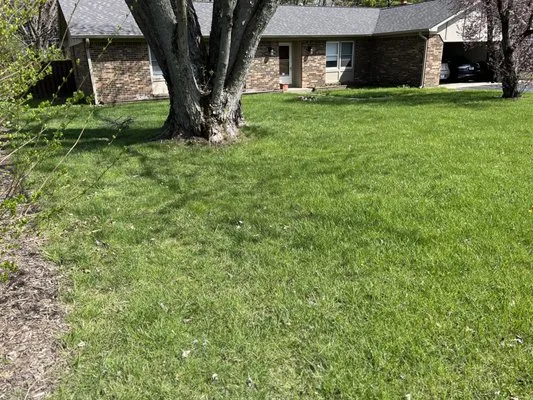
Dad's Lawn Care Landscaping is a family-owned and operated business in Anderson, IN, founded on a simple idea: building something meaningful together. For the owner, this venture is more than landscap...

Legacy Lawns is a veteran-owned lawn care service founded by Richmond native Jason, a retired U.S. Navy Petty Officer, and his wife Linda. After returning to Indiana from California in 2018, they esta...
Richmond Lawn and Landscape is a locally owned and operated lawn care and landscaping company serving Richmond, Indiana and Wayne County. We provide reliable, professional services for both residentia...
Frame's Lawn Care & Snow Removal
Frame's Lawn Care & Snow Removal has been the trusted local choice for Centerville and Wayne County since 2004. We help homeowners and businesses maintain beautiful, healthy outdoor spaces year-round ...
Dillon Lawn Care is a local, owner-operated business built on a simple, honest principle: doing work you can take pride in at a fair price. As a small-town guy from Economy, IN, I'm focused on growing...

Rinehart's Lawn Care Landscaping & Snow Removal
Rinehart's Lawn Care Landscaping & Snow Removal is a locally owned business serving Wayne County, IN, Preble County, OH, and surrounding areas, including Richmond. We provide comprehensive lawn care, ...
JadeGreen LCS is a full-service landscaping and tree care company serving Richmond, IN, and the surrounding areas. We specialize in comprehensive solutions for both residential and commercial properti...
A Neatly Trimmed Landscape
A Neatly Trimmed Landscape in Connersville, IN, is a trusted partner for creating and maintaining beautiful, resilient outdoor spaces. We specialize in comprehensive landscape design, from irrigation ...
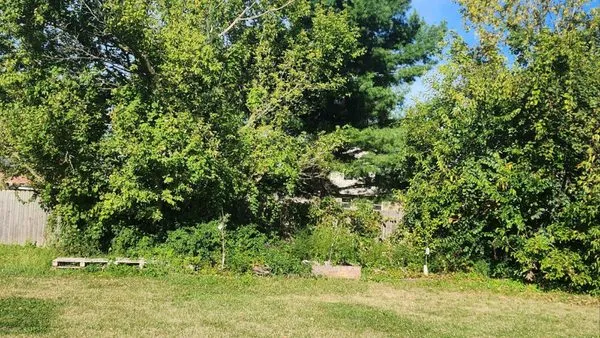
Poison Ivy Removal in Richmond, IN, is your local expert in safely and effectively eradicating poison ivy from your property. Our specialized service protects your family from the painful rash and pre...
Get Green Lawn Care is your local Liberty, IN, expert dedicated to creating and maintaining vibrant, healthy lawns and gardens. We understand the common local challenges homeowners face, such as unsig...
Estimated Landscaping Service Costs in Connersville, IN
Common Questions
Why does my Downtown Connersville lawn struggle with compaction and poor drainage?
Homes built around 1955 have soils that have matured for over 70 years, developing dense silt loam layers with pH 6.5-7.2. This soil type naturally compacts under foot traffic and equipment, reducing permeability and oxygen availability to roots. Core aeration every 1-2 years, combined with organic amendments like compost, addresses compaction by improving soil structure and microbial activity. Without intervention, these conditions limit turf health and increase runoff during heavy rains.
What invasive species should I watch for in Connersville, and how do I treat them?
Common invasive alerts include Japanese knotweed and garlic mustard, which outcompete natives in Zone 6a. Treatment involves manual removal or targeted herbicide applications timed outside state phosphorus restriction blackout dates, typically avoiding spring runoff periods. Always follow Indiana Professional Licensing Agency guidelines for safe application. Early detection and integrated pest management prevent spread while protecting soil and water quality.
How quickly can you respond to an emergency tree cleanup after a storm?
Emergency cleanup crews typically dispatch from Roberts Park and travel via IN-1 to reach Downtown Connersville within 20-30 minutes during peak conditions. This response time accounts for traffic and prioritizes safety assessments before debris removal. For HOA compliance issues, scheduling within standard municipal noise control hours ensures adherence to limited weekend operation rules. Quick mobilization helps prevent property damage and restores accessibility.
Do I need permits or licensed professionals for grading my 0.22-acre lot?
Grading that alters drainage patterns or involves significant earthmoving requires approval from the Fayette County Area Planning Commission. Indiana Professional Licensing Agency mandates that contractors performing such work hold appropriate landscaping or excavation licenses to ensure compliance with erosion control and safety standards. On a 0.22-acre lot, improper grading can affect neighboring properties, making professional oversight critical for legal and environmental protection.
What solutions work for seasonal saturated clay layers in my yard?
Seasonal saturation in silt loam soils requires improving permeability through French drains or dry creek beds that redirect water away from foundations. Using permeable concrete pavers or limestone for hardscapes reduces surface runoff and meets Fayette County Area Planning Commission standards. Incorporating organic matter into planting beds also enhances soil structure, allowing better water infiltration during heavy rains common in Zone 6a.
Can I maintain Kentucky Bluegrass and Tall Fescue without wasting water?
Smart Wi-Fi weather-based controllers optimize irrigation by using evapotranspiration (ET) data to match plant water needs. These systems adjust schedules based on real-time weather, preventing overwatering even during dry spells. While Connersville has no mandatory water restrictions, voluntary conservation is encouraged; ET-based irrigation typically reduces usage by 20-30%. This approach preserves turf health while staying within municipal water system capacities.
Are concrete pavers or limestone better than wood for durability and safety?
Concrete pavers and limestone offer superior longevity to wood, resisting decay and insect damage with minimal maintenance. These materials support Low Fire Wise ratings by creating defensible space without combustible elements, important in urban interface zones. Their permeability also manages stormwater runoff effectively. Compared to wood, they provide lasting structure that withstands Indiana freeze-thaw cycles without warping or splintering.
How can I reduce maintenance while supporting local ecology?
Replacing high-input turf with native plants like Purple Coneflower, Butterfly Milkweed, Wild Bergamot, and Little Bluestem creates resilient, low-water landscapes. These species support pollinators and require minimal mowing, aligning with trends toward electric maintenance fleets that comply with noise ordinances. Transitioning to xeriscaping reduces fuel and water use, positioning properties ahead of potential future regulations on gas-powered equipment.
