Top Landscaping Services in Carmel, IN, 46032 | Compare & Call
There are 240 landscaping companies server in Carmel IN

MOD - Scapes
MOD - Scapes is a Greenwood-based outdoor living company with over a decade of experience creating modern, custom landscapes and hardscapes for homeowners throughout the Indianapolis metro area. We sp...
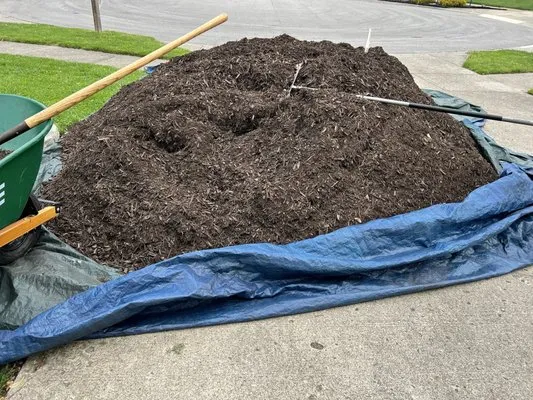
Musselman Landscape Solutions
Musselman Landscape Solutions has been a trusted name in Noblesville's landscaping community since 1969. Originally founded by lifelong Hamilton County residents Steve and Marilyn Musselman, the busin...
Blake Landscape is a trusted Indianapolis landscaping company dedicated to enhancing the beauty and health of local outdoor spaces. We specialize in comprehensive lawn care, shrub maintenance, and irr...
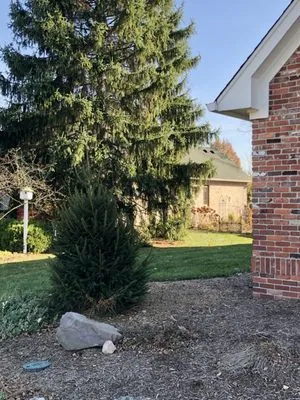
Rogers Tree Service & Landscaping LLC, founded in Carmel in 2010, brings over 18 years of industry experience to every project. Owner Roger leads a dedicated, bilingual (English/Spanish) team committe...
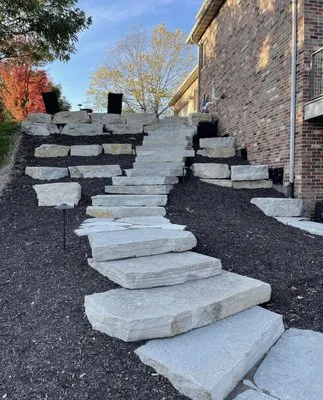
SunnySide Landscapes is a Carmel-based landscaping company dedicated to transforming outdoor spaces across Central Indiana. We specialize in comprehensive landscape design and installation, with exper...
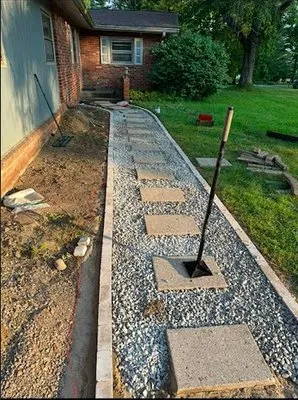
Naptown Property Maintenance is a locally owned and operated landscaping company serving Carmel, Indiana. As the owner, I'm proud to offer our neighbors a reliable service for all things outdoors, fro...
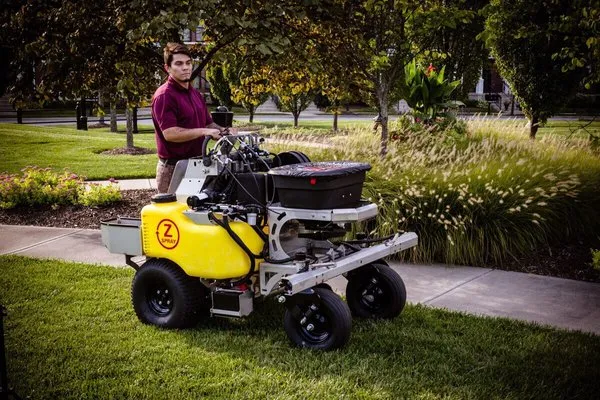
Triplet Lawncare is a locally owned and operated business in Carmel, built from the ground up by firefighter Marcus Nalley. Marcus began his journey as a young man with a single push mower, walking to...

For over 30 years, Davis Family Lawn Care has been a trusted name for residential lawn and landscaping services in Westfield and across Hamilton County. Founded in 1995, this family-owned business is ...

Lawn Doctor of Hamilton County is your trusted local expert in Carmel, IN, providing comprehensive tree services, pest control, and lawn care. We specialize in addressing common Carmel landscaping cha...
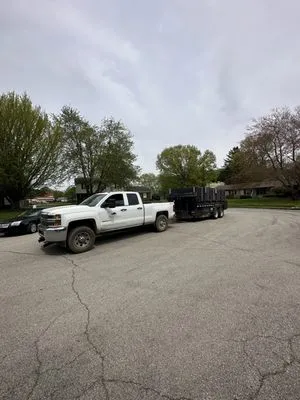
Providence Outdoor is a trusted landscaping, gardening, and snow removal company serving Carmel, IN. We specialize in solving common local landscaping issues like overgrown shrubs and weed-filled mulc...
Estimated Landscaping Service Costs in Carmel, IN
FAQs
Why is the soil in our Old Town Carmel yard so dense and difficult to work with?
Properties in neighborhoods like Old Town Carmel, built around 1996, have soil systems approximately 30 years old. The native silty clay loam has been compacted over decades by construction and routine foot traffic, reducing its permeability and organic matter. This soil type naturally holds water, leading to poor percolation and root zone saturation. Core aeration and amending with composted organic matter are critical annual practices to improve soil structure and function.
How can we keep our Kentucky Bluegrass lawn healthy during summer while following water conservation guidelines?
Modern Wi-Fi ET-based weather-sensing irrigation controllers are the solution for Carmel's voluntary conservation status. These systems automatically adjust watering schedules based on real-time evapotranspiration data, applying water only when and where the turfgrass needs it. This technology prevents overwatering clay-heavy soils, directly reduces runoff, and maintains turf health within municipal water use expectations, even during peak ET periods.
How quickly can a crew respond for an emergency tree limb cleanup after a storm?
A dedicated storm response crew can typically be dispatched within 20-30 minutes during peak events. The routing originates from our central dispatch near the Carmel City Center, utilizing US-31 for direct north-south access to Old Town Carmel neighborhoods. This protocol is designed for HOA compliance and safety hazard mitigation, ensuring blocked driveways or damaged property are addressed with priority.
Are permeable clay pavers a better choice than wood for a new patio?
For longevity and ecological function in Zone 6a, permeable clay pavers outperform wood decisively. They offer superior freeze-thaw durability, require no chemical treatments, and provide the critical permeability that clay soils lack. While wood decays and requires replacement, pavers maintain structural integrity for decades. Their non-combustible nature also supports the low Fire Wise rating for urban residential areas by maintaining defensible space.
What permits and contractor qualifications are needed for regrading our yard?
Significant regrading on a 0.28-acre lot that alters water flow typically requires a permit from the Carmel Department of Community Services. The work must be performed by or under the supervision of a landscape architect licensed by the Indiana Professional Licensing Agency or a properly insured contractor. This ensures the grading plan adheres to drainage codes, protects adjacent properties, and is executed to professional standards, safeguarding your investment.
Our yard has persistent puddling and runoff issues. What is the best long-term fix?
Moderate runoff in Carmel is primarily due to the low permeability of silty clay loam soils. Integrating subsurface French drains or dry creek beds addresses immediate water movement. For hardscapes, specifying permeable clay pavers is highly effective; they allow stormwater to infiltrate directly into the subsoil, meeting Carmel Department of Community Services standards for managing on-site runoff and reducing the burden on municipal systems.
What are low-maintenance landscape options that reduce noise and fuel use?
Transitioning turf areas to planted beds of regionally native species like Purple Coneflower, Wild Bergamot, and Little Bluestem significantly reduces maintenance inputs. These deep-rooted plants require no weekly mowing, minimal watering once established, and create habitat. This shift preemptively aligns with evolving noise ordinances restricting gas-powered blowers, as these plantings generate less debris and support a quieter, electric maintenance fleet.
What should we do if we spot an invasive plant like creeping Charlie or garlic mustard?
Early identification and targeted manual removal are crucial before invasives set seed. For chemical control, select a phosphorus-free herbicide spot-applied to the infestation, which complies with local ordinances for established lawns. Always follow label instructions precisely. Improving lawn density through proper fertilization and aeration also helps outcompete invaders, creating a resilient turf that resists infestation without regulatory conflict.
