Top Landscaping Services in Bloomington, IN, 47401 | Compare & Call
There are 164 landscaping companies server in Bloomington IN
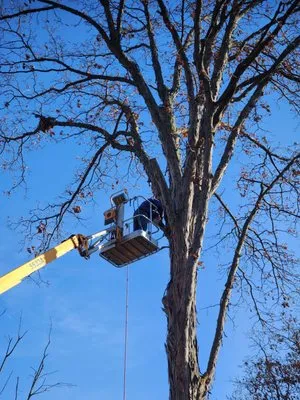
Honey Bear Tree Care is a locally owned and operated tree service and landscaping company serving Cloverdale, IN, and the surrounding Putnam County area. With decades of hands-on experience, owner Bil...
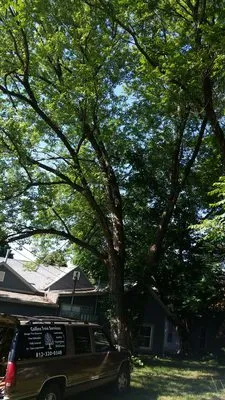
Collins Tree Services
Collins Tree Services is a family-owned business in Bloomington, IN, with deep roots in the community. Managed by Clint Collins, who has worked in the industry since age 17 under his father's guidance...

Lawn Legends Landscaping is a Bedford-based, locally owned landscaping and tree service company. We're a dedicated team focused on reliable service and quality results for every project, from landscap...
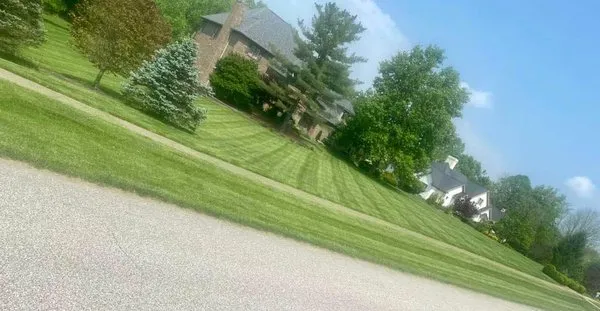
Brothers Lawncare is a trusted, locally-owned service provider in Bloomington, IN, specializing in comprehensive lawn care, junk removal, and pressure washing. We understand the common local challenge...

Moser Lawn Care is a family-owned and operated lawn service business in Bloomington, IN, built on Christian values of integrity and community care. Owner Rick Moser personally oversees every project, ...
Richardson lawn services & more
Richardson Lawn Services & More is your dedicated Bloomington lawn care expert, focused on tackling the area's common landscaping challenges like stubborn weed overgrowth and patchy, thin grass. We pr...
Derek The Pool Guy & Landscaping
Derek The Pool Guy & Landscaping is your trusted local expert for masonry, concrete, pool service, and comprehensive landscaping in Bloomington. We understand the unique challenges of Southern Indiana...
Thompson Lawn Care is a dedicated local provider of lawn services for homeowners in Bloomington, IN. We understand the specific challenges you face, from unsightly bare patches that mar your yard's ap...
Frye Lawn & Landscaping is a trusted, locally-owned landscaping company serving Bloomington, IN. We understand the common challenges homeowners face, such as overgrown shrubs that obscure your home's ...

Bloomington Landscape Construction
Bloomington Landscape Construction is a trusted local landscaping and design firm serving homeowners throughout Bloomington, IN. Specializing in landscape design, we help residents transform their out...
Estimated Landscaping Service Costs in Bloomington, IN
FAQs
What are the most aggressive invasive plants I should watch for in my Bloomington landscape?
Primary invasive species alerts include Callery Pear (Bradford Pear) and Wintercreeper. Manual removal of young plants is effective. For larger infestations, targeted herbicide application in late fall is most effective, timed to avoid harming non-target plants and strictly following the Indiana state law that restricts phosphorus application on established turf. Always confirm there are no local blackout dates for application in sensitive areas.
How quickly can you respond for an emergency tree limb cleanup after a storm to avoid HOA violations?
Our standard emergency response from the Indiana University Sample Gates area is 20-30 minutes during peak events, using SR 46 to access Elm Heights. We operate a fully electric maintenance fleet compliant with Bloomington's noise ordinance, allowing for early morning or late evening dispatch without violation. This enables rapid debris clearing to meet most HOA 24-48 hour compliance windows following severe weather.
Is it possible to keep a Kentucky Bluegrass lawn healthy under Bloomington's water conservation guidelines?
Yes, using Wi-Fi ET-based weather-sensing irrigation is the standard method. The system calculates evapotranspiration (ET) rates, applying water only to replace what the turfgrass and atmosphere have removed. This precise approach often uses less water than a fixed schedule, keeping the Tall Fescue blend healthy while adhering to voluntary conservation. Properly programmed, it prevents overwatering that exacerbates our moderate runoff issues.
Why do I need a licensed professional for regrading my 0.22-acre lot? Can't I just do it myself?
Significant regrading on a 0.22-acre parcel often requires a permit from the Bloomington Planning and Transportation Department to ensure changes do not negatively impact stormwater flow or neighboring properties. The work must be supervised by a landscape architect or contractor licensed through the Indiana Professional Licensing Agency. This ensures compliance with state erosion control standards and protects you from liability due to improper drainage.
Are Indiana Limestone patios a better choice than wood decks for durability and safety?
Indiana Limestone is a superior long-term investment. It is non-combustible, providing critical defensible space in Bloomington's moderate Wildfire Urban Interface zones, unlike wooden decks. The stone requires no sealing or staining, resists frost heave better than concrete, and develops a desirable patina. Its permeability also aids in managing site runoff, a key consideration for local grading permits.
I'm tired of weekly mowing and gas blower noise. What's a quieter, lower-maintenance alternative?
Transitioning high-maintenance turf areas to a climate-adaptive xeriscape with native plants is a forward-looking solution. A matrix of Little Bluestem grass, Purple Coneflower, and Butterfly Milkweed requires no mowing, minimal watering once established, and supports local pollinators. This shift reduces dependency on gas-powered equipment, aligning with evolving noise ordinances and preparing for broader electric fleet transitions.
My yard collects water after every rain. What's a long-term solution that also looks good?
This is a common issue with silt loam topsoil over dense clay subsoil. A graded French drain system can intercept subsurface water. For surface solutions, replacing solid concrete with permeable Indiana Limestone pavers creates a patio that allows infiltration, meeting Bloomington Planning Department runoff standards. Integrating a rain garden with native plants like Little Bluestem in the drain's outflow zone provides both absorption and habitat.
Why does my Elm Heights lawn look so thin and compacted compared to newer neighborhoods?
Homes built around 1981, common in Elm Heights, have soil approximately 45 years old. Decades of foot traffic and traditional maintenance have degraded the original silt loam structure. This soil type becomes dense and poorly permeable over time, especially with our clay-heavy subsoil. Core aeration and incorporating organic compost are necessary to restore pore space and microbial activity for healthy root growth.
