Top Landscaping Services in Bean Blossom, IN, 47429 | Compare & Call
There are 196 landscaping companies server in Bean Blossom IN
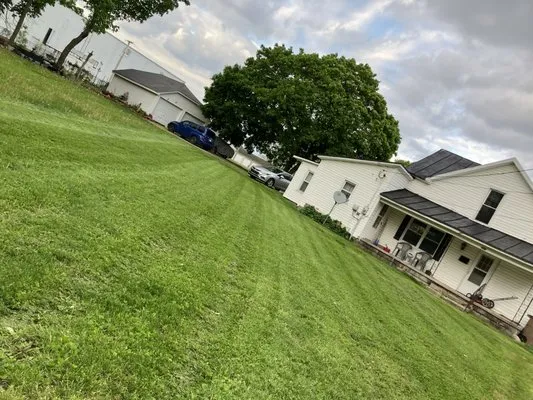
All Season Solutions in Winchester, IN is a father-and-son owned business providing comprehensive outdoor services to Randolph County, Jay County, and surrounding areas. We specialize in junk removal ...
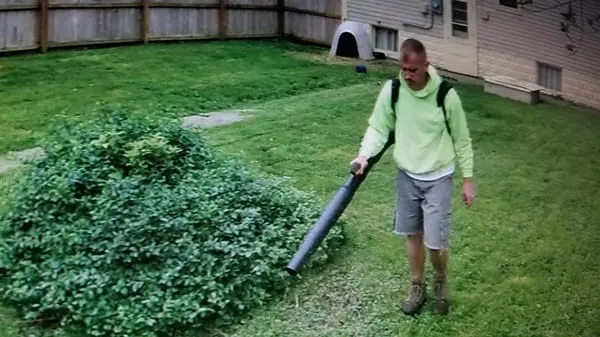
Smiley's Lawn & Landscape is a trusted, locally-owned landscaping company serving Rushville, IN, and the surrounding communities. We specialize in diagnosing and solving the common yard drainage probl...
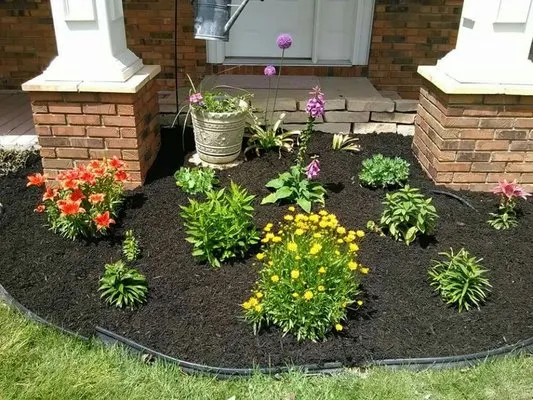
Founded by Dustin Oliver, Oliver Landscaping LLC brings years of hands-on experience in lawn care and landscaping, combined with a strong customer service background, to serve Muncie, Indiana. Dustin ...
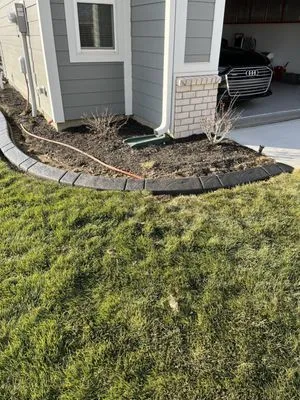
Elite Curb is a veteran-owned landscaping company in Columbus, IN, focused exclusively on concrete curbing. The business was founded on a simple principle: to provide a superior product that elevates ...
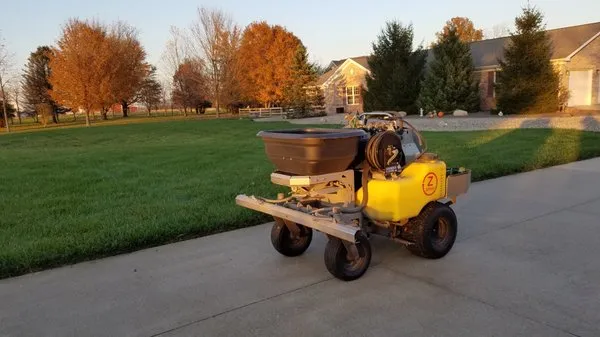
Picture Perfect Lawn & Landscape is a trusted landscaping company serving Anderson, IN, with years of experience in central Indiana turf grasses. We specialize in landscape construction, maintenance, ...
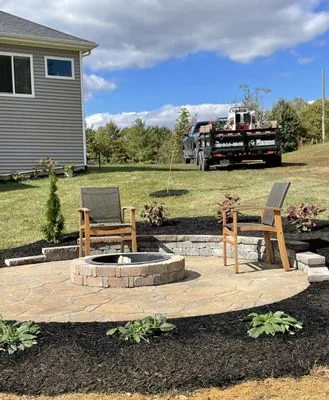
The Gardeners Landscape is a locally owned and operated business in Columbus, IN, founded on a deep understanding of horticulture and landscape construction. With a formal horticulture degree and exte...
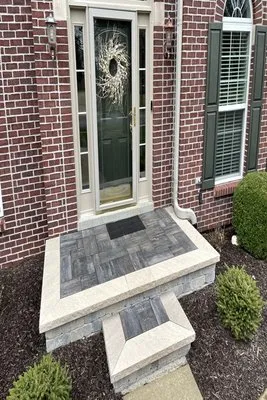
Good Nature is a family-owned landscaping company that has been serving the McCordsville community and surrounding areas since 1995. We specialize in creating and maintaining beautiful, functional out...

Vertical Landscaping is a trusted, full-service landscaping company serving Hope, IN and the surrounding communities. We specialize in comprehensive landscape maintenance, lawn care, snow removal, and...

Average Joe's Handyman is your trusted local expert in Waldron, IN, offering comprehensive handyman, landscaping, and metal fabrication services. With deep roots in the community, we understand the un...
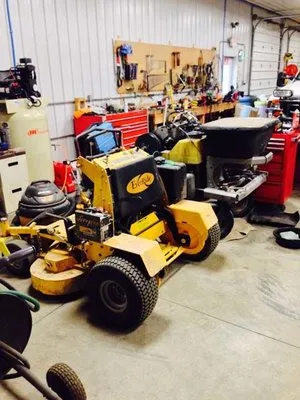
Mayhugh's Lawn Care
Mayhugh's Lawn Care in Greensburg, IN is a family-owned and locally operated business specializing in comprehensive outdoor services for both residential and commercial properties. As your dedicated t...
Estimated Landscaping Service Costs in Bean Blossom, IN
Common Questions
Why does my Bean Blossom Village yard struggle with compaction and poor drainage after decades?
Properties built around 1984 have soil that has matured for approximately 42 years, developing a dense silt loam structure common in this area. Silt loam soils naturally compact over time, reducing permeability and creating seasonal drainage issues. Core aeration every 2-3 years introduces oxygen channels while organic amendments like compost improve soil structure. This combination addresses the pH 6.2-6.8 range while enhancing water infiltration for healthier root systems.
Why choose Indiana limestone over wood for patios and retaining walls?
Indiana limestone offers superior longevity with minimal maintenance compared to wood's decay susceptibility. In Bean Blossom's Moderate Fire Wise rating zone, non-combustible stone provides defensible space advantages at rural-wildland interfaces. The material's natural permeability manages runoff better than impervious alternatives while complementing local geology. Properly installed limestone features can last decades without replacement, making them cost-effective despite higher initial investment.
What invasive species threaten Bean Blossom landscapes and how are they managed safely?
Japanese knotweed and garlic mustard present significant invasive risks in USDA Zone 6a. Treatment involves mechanical removal before seed set combined with targeted organic herbicides that comply with Indiana's non-agricultural phosphorus limitations. Timing applications outside local fertilizer ordinance blackout dates prevents nutrient runoff into watersheds. Regular monitoring catches new infestations early, reducing chemical needs while protecting native Purple Coneflower and Butterfly Milkweed populations.
How quickly can you respond to an emergency tree cleanup for HOA compliance in Bean Blossom?
Our electric maintenance fleet can dispatch from the Bean Blossom Covered Bridge area within standard daytime operating hours. Using IN-135 as the primary route, we maintain a 45-60 minute peak storm response time to reach most Bean Blossom Village properties. This timing accommodates both emergency situations and scheduled compliance work while adhering to noise ordinance restrictions on gas-powered equipment during early morning hours.
How do you maintain Tall Fescue turf during dry periods without violating water restrictions?
Wi-Fi ET-based weather sensing irrigation calculates evapotranspiration rates specific to Bean Blossom's microclimate. This system adjusts watering schedules daily based on actual weather data rather than fixed timers, reducing water use by 20-30% while preserving turf health. During Stage 0 restrictions, this technology ensures compliance by delivering precise moisture only when needed. The approach prevents overwatering that could exacerbate the area's moderate seasonal high water table conditions.
What permits and licensing are required for grading work on a 1.5-acre property?
The Brown County Area Plan Commission requires grading permits for any significant earth movement on lots this size. Contractors must hold appropriate licensing through the Indiana Professional Licensing Agency, particularly for drainage modifications affecting watersheds. Professional oversight ensures compliance with silt fence placement and erosion control measures specific to silt loam soils. Unlicensed grading risks fines and remediation orders, especially when work impacts the seasonal high water table common in Bean Blossom Village.
What solutions address seasonal water pooling in silt loam soil yards?
Silt loam's moderate permeability requires strategic drainage interventions for Bean Blossom's high water table. Permeable Indiana limestone hardscaping creates natural infiltration zones while meeting Brown County Area Plan Commission runoff standards. French drains with clean gravel layers redirect subsurface water away from foundations. These systems work with the soil's 6.2-6.8 pH characteristics rather than against them, preventing erosion while managing seasonal moisture effectively.
How can I reduce maintenance while supporting local biodiversity in my landscape?
Transitioning high-maintenance turf to native plantings like Purple Coneflower, Butterfly Milkweed, Wild Bergamot, and Little Bluestem creates resilient ecosystems. These species require minimal irrigation once established and support pollinator populations ahead of 2026 biodiversity standards. Electric maintenance equipment operates quietly within noise ordinance parameters while eliminating emissions. This approach reduces mowing frequency from weekly to seasonal, cutting maintenance time by approximately 60%.
