Top Landscaping Services in Auburn, IN, 46706 | Compare & Call
There are 95 landscaping companies server in Auburn IN

Landscape Plant Health Diagnostics
Landscape Plant Health Diagnostics (Landscape P.H.D.) is a horticultural arborist consulting firm in Fort Wayne, IN, founded in 2009 with over 28 years of industry experience. The owner holds a techni...
Northeast Softwash & Lawn Care is a trusted local provider in Garrett, IN, specializing in pressure washing, gutter services, and lawn care. We focus on delivering reliable, high-quality results for h...
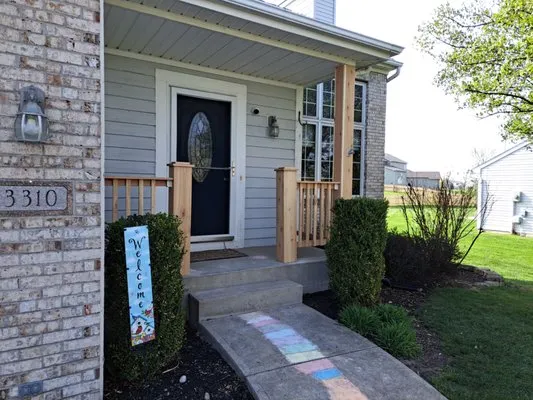
Eastwood Services is your trusted local handyman, lawn care, and general contracting expert serving Columbia City, IN. We specialize in a comprehensive range of home services, from plumbing repairs an...
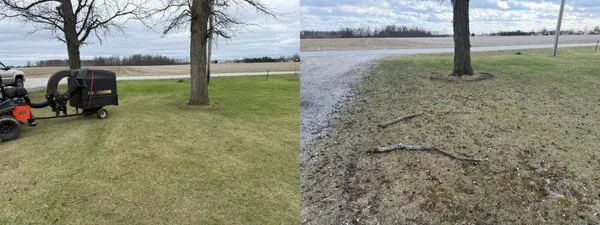
Artisan Acres Landscaping is a family-run business proudly serving the Lagrange, IN community since 2025. Founded by Esteven G. alongside his brother-in-law and supported by family, we grew from a sha...
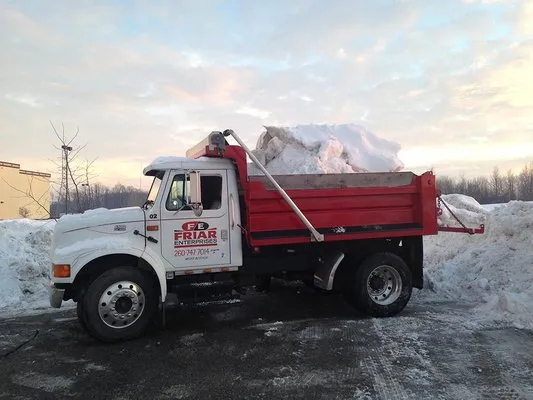
Friar Enterprises is a family-owned and operated landscaping business serving Fort Wayne, IN, and the surrounding area. With a focus on shrub care and comprehensive landscape maintenance, we specializ...
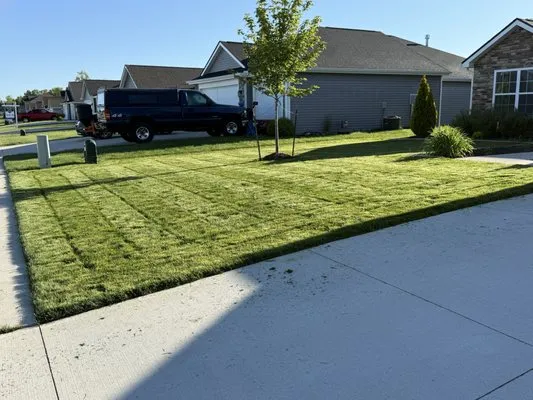
Northern Star Landscaping is a trusted lawn care provider serving Auburn, IN, and the surrounding areas. We specialize in comprehensive lawn and landscape bed maintenance, offering reliable services a...
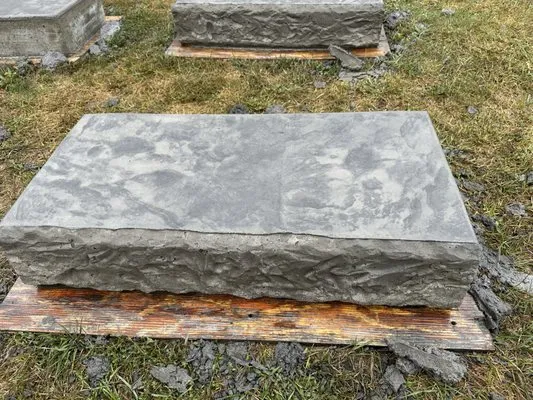
JF Landscape is a full-service landscaping, snow removal, and masonry/concrete company serving Orland, IN, and surrounding areas. We specialize in comprehensive outdoor solutions including driveway co...
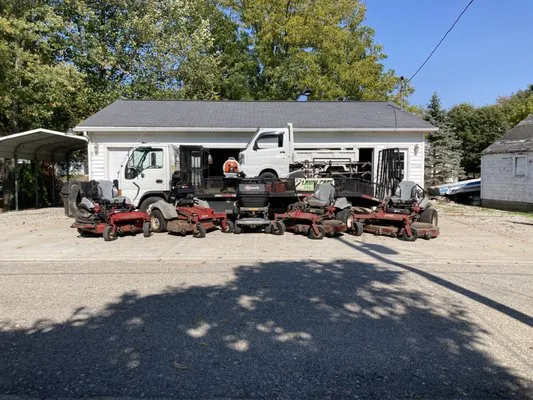
J/S Lawn Care has been a trusted local provider of lawn and landscape services in Wolcottville and LaGrange County since 2001. As a locally owned and fully insured company, we specialize in both resid...
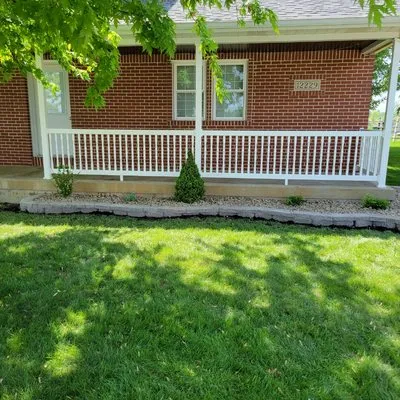
S&H Landscaping
S&H Landscaping is a Fort Wayne-based landscaping company founded in 2017, specializing in comprehensive outdoor solutions for both residential and commercial properties. With over a decade of combine...

260 Shine Time is a family-owned and operated business in Fort Wayne, founded by owner Jaylen with a commitment to reliable, honest service. What started as a passion for cars has grown into a versati...
Estimated Landscaping Service Costs in Auburn, IN
Questions and Answers
What invasive species should we watch for, and how do we treat them without using restricted fertilizers?
Japanese knotweed and garlic mustard are prevalent invasive threats in DeKalb County. Effective control involves manual removal before seed set or targeted application of glyphosate in fall, following all label directions. For turf health under the local phosphorus-free ordinance, use a soil test to guide applications of a nitrogen-only or nitrogen-potassium fertilizer in early fall to strengthen grass without violating nutrient restrictions.
Is a wooden deck or a paver patio more durable and suitable for our area's climate and safety codes?
Concrete pavers offer superior longevity and lower maintenance than wood in Zone 6a's freeze-thaw cycles. They also contribute to a Firewise defensible space, as recommended for low-risk urban zones like ours, by creating a non-combustible barrier near the home. A properly installed paver patio with a geotextile fabric and gravel base will outlast wood and requires no sealing or staining.
We have an unexpected HOA compliance notice and need immediate debris cleanup. What's your fastest response time?
For urgent service, our crews can typically dispatch from the DeKalb County Courthouse area and reach most Forest Park addresses via I-69 within 15-20 minutes during peak hours. We prioritize these calls for same-day resolution, focusing on clearing visible debris and providing a temporary tidy appearance to meet compliance deadlines while scheduling a more thorough follow-up.
Our yard holds water for days after a rain. What solutions work with our local soil and permit requirements?
Poor infiltration in Blount-Pewamo clay soils requires subsurface intervention. A French drain system tied to a dry well or rain garden is often the most effective long-term solution. For new hardscaping, using permeable concrete pavers or a base of crushed limestone can improve surface permeability and may help projects meet the Auburn Building, Planning & Development Department's stormwater runoff standards.
We want to reduce weekly mowing and gas-powered equipment noise. What are our native plant options?
Transitioning turf areas to a planting of Purple Coneflower, Wild Bergamot, Butterfly Milkweed, and Little Bluestem creates a resilient, low-input landscape. This native matrix requires no mowing, minimal watering once established, and eliminates the need for gas-powered blowers and trimmers, aligning with future-proofing against potential noise ordinance updates and supporting local biodiversity.
Do we need a permit to regrade our 0.25-acre lot, and what should we verify about a contractor's credentials?
Significant regrading that alters drainage patterns or involves retaining walls over certain heights requires a permit from the Auburn Building, Planning & Development Department. For this work, always verify the contractor holds a relevant license through the Indiana Professional Licensing Agency. State licensing ensures they carry proper insurance and understand the engineering principles critical for stable, code-compliant earthwork on a quarter-acre parcel.
How can we keep our Kentucky Bluegrass healthy during dry spells without violating water conservation guidelines?
While Auburn has voluntary conservation, modern smart Wi-Fi soil moisture sensor controllers are the most effective tool. These devices schedule irrigation based on actual evapotranspiration (ET) and soil conditions, not just a timer. This technology prevents overwatering, encourages deeper root growth in Tall Fescue blends, and can reduce overall water use by 20-30% while maintaining turf health.
My Forest Park lawn seems thin and struggles to absorb water. What's the underlying issue in our neighborhood's soil?
Homes built around 1980, like many in Forest Park, sit on Blount-Pewamo Silt Loam that has been compacted for over 40 years. This soil type naturally has high clay content, which reduces permeability and prevents proper root development. Core aeration combined with incorporating composted organic matter is essential to rebuild soil structure and improve water infiltration for healthier turf.
