Top Landscaping Services in Anderson, IN, 46011 | Compare & Call
There are 197 landscaping companies server in Anderson IN
Boram Irrigation & Lawn Service
Boram Irrigation & Lawn Service is a trusted Noblesville landscaping company specializing in professional landscape design, irrigation solutions, and lawn care. We help local homeowners tackle common ...
Advantage Lawn Care is a trusted, locally-owned lawn service in Daleville, IN, specializing in comprehensive lawn care, gardening, and snow removal. We understand the unique challenges Daleville homeo...
Complete Property Care
Complete Property Care is a full-service property management and landscaping company serving Muncie, IN. We handle everything from irrigation repair and lawn care to comprehensive shrub services and p...
Butler's Patriot Property Maintenance is a veteran-owned handyman and property care service proudly serving Pendleton and the wider Madison County area. Founded on principles of military discipline, r...
Nature’s Friend is your trusted, locally-owned landscaping partner in Ingalls, Indiana. We understand that many area homes struggle with common outdoor problems, such as unsightly moss taking over law...
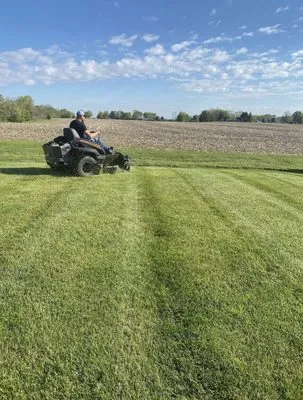
Know B S Landscaping is a trusted local landscaping company serving Buck Creek Township, IN, and the surrounding areas. We specialize in addressing common local landscaping challenges, such as tree ro...
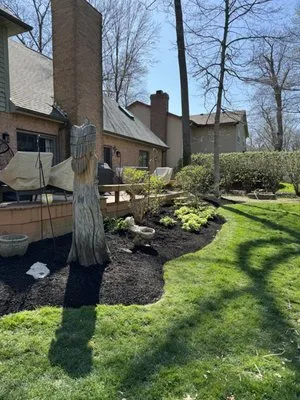
Arnold's Landscaping And Excavating is a Muncie-based company providing comprehensive landscaping and excavation services for residential and commercial properties. We specialize in earthmoving, regra...
Estimated Landscaping Service Costs in Anderson, IN
Frequently Asked Questions
Can I maintain Kentucky Bluegrass and Tall Fescue under Anderson's water restrictions?
Smart Wi-Fi ET-based weather sensing irrigation calculates evapotranspiration rates specific to Anderson's USDA Zone 6a climate. This system applies 0.75-1.25 inches weekly during peak growth, staying within normal conservation limits. Programming follows soil moisture sensors to prevent overwatering clay-heavy subsoils, reducing runoff by 30-40% compared to traditional timers.
What permits and licenses are needed for grading my 0.22-acre Anderson property?
The Anderson Municipal Development Department requires grading permits for cuts/fills exceeding 12 inches or affecting drainage patterns. Indiana Professional Licensing Agency mandates licensed landscape architects for designs involving retaining walls over 4 feet or stormwater management systems. Contractors must carry specific bonding for earthwork on lots under 0.5 acres due to proximity concerns in established neighborhoods.
Are concrete pavers better than wood for Anderson patios and pathways?
Concrete pavers offer 25-40 year lifespans versus wood's 8-15 years in Indiana's freeze-thaw cycles. Their non-combustible nature supports Anderson's Low Fire Wise Rating by creating defensible space around structures. Interlocking systems with polymeric sand joints accommodate soil movement better than monolithic concrete, reducing cracking in expansive clay soils.
How quickly can you respond to an emergency tree cleanup after a storm?
Our electric fleet dispatches from Anderson University within 15 minutes, taking I-69 to Edgewood neighborhoods in 20-30 minutes during peak conditions. This complies with Anderson's 7:00 AM - 9:00 PM noise ordinance while providing rapid HOA compliance services. We prioritize safety assessments before debris removal, especially for properties near major roadways.
What solutions prevent seasonal ponding in my Anderson yard?
Moderate ponding in Miamian-Celina soils requires French drains with clean gravel and perforated pipe at 1% slope. Permeable concrete pavers or crushed limestone hardscapes increase infiltration rates to 5-10 inches per hour, meeting Anderson Municipal Development Department runoff standards. Subsurface drainage systems should direct water 10 feet from foundations to prevent structural issues.
How can I reduce maintenance while supporting local ecology?
Replacing 30-50% of turf with Purple Coneflower, Little Bluestem, Butterfly Milkweed, and Wild Bergamot creates pollinator corridors requiring minimal care. These natives survive on 12-18 inches annual rainfall, eliminating weekly mowing and reducing gas-blower use ahead of tightening noise ordinances. Established native plantings sequester 2-3 times more carbon than traditional lawns.
What invasive species threaten Anderson landscapes and how should I treat them?
Japanese knotweed and garlic mustard pose significant risks in Edgewood's disturbed soils. Manual removal before seed set in early spring prevents spread without violating Indiana's phosphorus restrictions. For persistent infestations, targeted glyphosate applications in fall avoid blackout dates while preserving mycorrhizae networks. Always bag and dispose of invasives off-site to prevent reestablishment.
Why does my Edgewood neighborhood lawn struggle with compaction and poor drainage?
Anderson's Miamian-Celina Silt Loam soil has aged approximately 61 years since typical 1965 home construction, developing a dense clay-heavy subsoil layer. This soil type naturally compacts over decades, reducing permeability to 0.5-1.5 inches per hour. Core aeration every 2-3 years with organic amendments like composted leaf mold addresses compaction while maintaining the optimal pH 6.5-7.2 range for nutrient availability.
