Top Landscaping Services in Alexandria, IN, 46001 | Compare & Call

Alexander Landscaping & Lawncare is a trusted, locally-owned lawn service provider in Alexandria, Indiana. We specialize in comprehensive lawn care designed to keep your property healthy and vibrant t...
Blade Addix Outdoor Management is a locally owned landscaping and tree care business in Alexandria, IN, founded by Cody. After years working for larger companies where quality and personal attention o...

Phillippe Lawn & Landscape
Founded in 1996, Phillippe Lawn & Landscape is a full-service landscape company dedicated to serving residential and commercial clients throughout Central Indiana. From initial design to final constru...
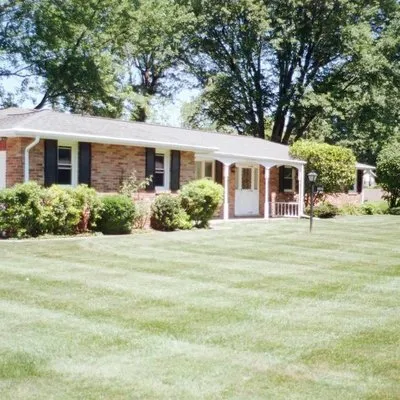
Hatton's Turf & Landscaping is a trusted local landscaping company serving Alexandria, Indiana, and the surrounding communities. We specialize in comprehensive shrub care and landscape maintenance to ...
M & N Landscaping is a trusted local landscaping company serving Alexandria, IN, and surrounding areas. Specializing in gardening and landscape maintenance, we help homeowners tackle common local land...

Earthworks!! is a local Alexandria company providing essential septic, firewood, and comprehensive landscaping services. We understand the common challenges homeowners in our area face, such as standi...
McGuire’s Mowing Service is a trusted local lawn care provider in Alexandria, IN, dedicated to keeping yards healthy and well-maintained. We understand that many homes in our area face common landscap...
Matt's Roofing in Alexandria, IN is your local, trusted partner for exterior home solutions. We specialize in roofing and general contracting services, bringing over a decade of experience to protect ...
Sayre Lawn & Snow is your trusted, local expert for year-round outdoor care in Alexandria, Indiana. We provide reliable lawn maintenance and thorough snow removal to keep your property looking its bes...
Fresh Cut Landscaping provides essential lawn care and landscaping services to homeowners in Alexandria, IN. We understand that many local properties face common challenges like sprinkler coverage gap...
Questions and Answers
Are concrete pavers a better long-term choice than wood for a new patio?
Concrete pavers offer superior longevity and stability compared to wood, which is susceptible to rot and insect damage in our climate. Their modular design allows for excellent permeability when installed correctly. For properties in the wildland-urban interface, even with a low Firewise rating, non-combustible materials like pavers and crushed limestone contribute to defensible space by eliminating flammable fuel sources adjacent to the home.
My yard holds water every spring. What's a permanent fix?
Seasonal ponding is a direct consequence of the low permeability in Blount-Pewamo Silt Loam. A graded drainage plan incorporating French drains or dry creek beds is often necessary. For hardscape areas, specifying permeable concrete pavers or open-graded crushed limestone allows stormwater to infiltrate, meeting Alexandria Building Department standards for managing runoff on-site and reducing the burden on municipal systems.
I have an HOA notice for storm debris. What's your fastest response time?
For emergency cleanup and HOA compliance, our target arrival is 20-30 minutes from dispatch during peak hours. Our routing from a central staging area near Beulah Park utilizes IN-9 for efficient access to Downtown Alexandria neighborhoods. We maintain a fleet of electric-powered equipment to comply with the local noise ordinance, allowing us to operate effectively within the restricted hours while addressing urgent landscape needs.
How can I keep my Kentucky Bluegrass lawn healthy without wasting water?
An ET-based, Wi-Fi-connected irrigation controller is the precise solution for Alexandria's voluntary conservation environment. This technology schedules watering based on real-time evapotranspiration data, applying water only when the turfgrass requires it. This method maintains Tall Fescue and Bluegrass health while reducing total water consumption by 20-30% compared to traditional timer systems, aligning with municipal water stewardship goals without mandatory restrictions.
What invasive species should I watch for, and how do I control them?
Be alert for invasive plants like Japanese knotweed, garlic mustard, and callery pear. Manual removal for young plants is most effective. For mature infestations, targeted, professional-grade herbicide application may be required, but it must be carefully timed to avoid Indiana's phosphorus application restrictions and any local blackout dates. Always prioritize methods that preserve soil mycorrhizae and non-target native plants.
I'm tired of weekly mowing. What's a lower-maintenance alternative?
Transitioning to a landscape dominated by Indiana natives like Purple Coneflower, Butterfly Milkweed, and Little Bluestem significantly reduces maintenance. This xeriscape approach eliminates weekly mowing, minimizes watering, and provides critical habitat. It also future-proofs your property against evolving noise ordinances that restrict gas-powered blowers, as these plantings require only seasonal cutbacks with quieter electric tools.
Do I need a permit to regrade my backyard, and who is qualified to do the work?
Yes, significant regrading on a 0.22-acre lot typically requires a permit from the Alexandria Building Department to ensure proper drainage and erosion control. This work must be performed by a contractor licensed through the Indiana Professional Licensing Agency. Grading alters the land's hydrology, and improper execution can create drainage liabilities for your and neighboring properties, making professional licensing and permitting non-negotiable.
My lawn doesn't drain well and looks thin compared to others. What's the root cause?
Homes built in the 1960s, like many in Downtown Alexandria, were established on Blount-Pewamo Silt Loam. After 65+ years, this soil has become heavily compacted from standard construction and maintenance, reducing its permeability. The high clay fraction inherent to this soil type leads to poor percolation and seasonal ponding. Restoring health requires core aeration and incorporating composted organic matter to rebuild soil structure and water infiltration.
