Top Landscaping Services in Winnetka, IL, 60093 | Compare & Call

There are 186 landscaping companies server in Winnetka IL
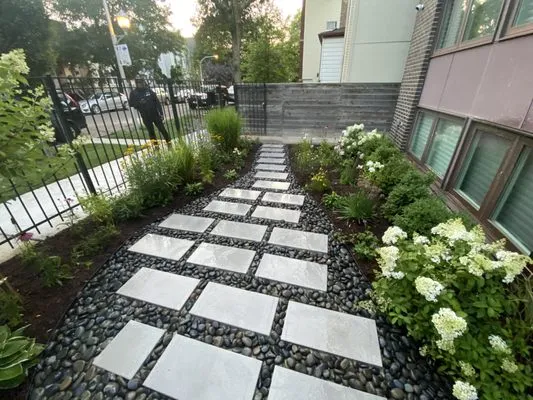
Dante's Native Landscape Services is a full-service landscaping and hardscaping company serving the greater Chicago area. We specialize in native landscaping, using plants naturally adapted to the Mid...
Rafael Landscaping is a full-service landscaping company serving Chicago and the surrounding areas. Owned and operated by Rafael, the business is built on providing reliable, quality work at a fair pr...
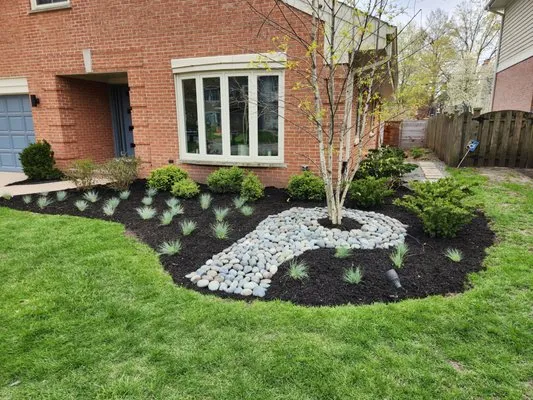
Founded in 1999 by Joe, whose career in the landscape industry began in 1986, Green Concepts, LLC is a family-owned and operated business serving Skokie and the surrounding North Shore communities. Wi...
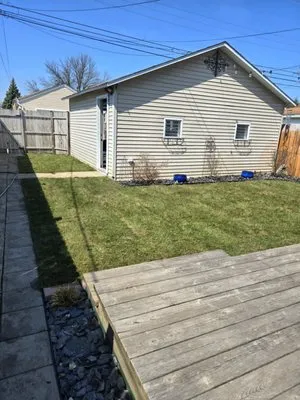
Midwest Plains Landscaping is a family-owned landscaping company serving Chicago, IL, since 2015. We specialize in comprehensive outdoor solutions including landscaping, snow removal, and masonry/conc...
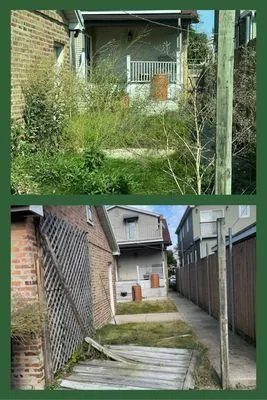
Chicago Landscaping INC is a locally owned and operated business founded in 2018, serving Chicago and its suburbs with a commitment to high-quality, dependable landscaping and hardscaping. Managed by ...
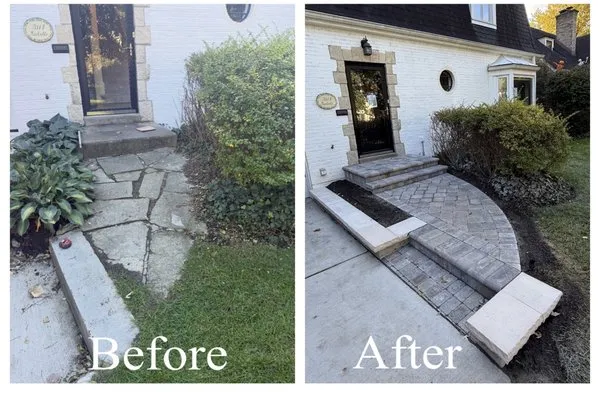
Aztec Stone Design Brick Paving is a Chicago-based masonry and landscaping company specializing in custom brick paving and natural stone designs since 1999. As a certified UniLock Authorized Contracto...
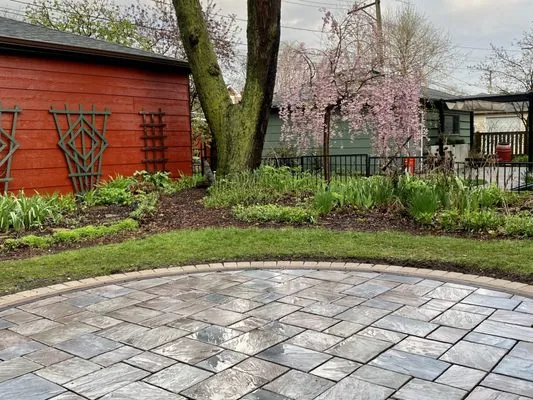
Taylor Made Landscape Design
Taylor Made Landscape Design brings a unique blend of horticultural expertise and personal passion to Chicago's outdoor spaces. As a Landscape Designer and Master Gardener with a degree in Horticultur...
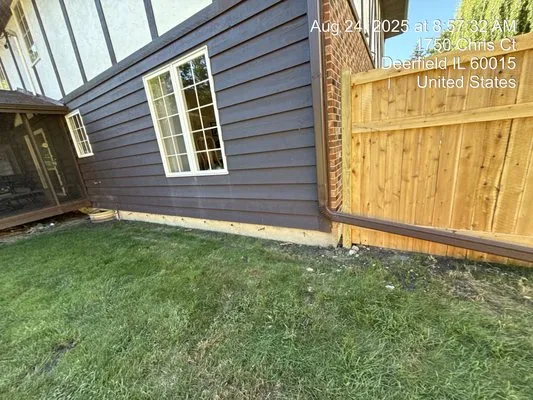
Cande Native Landscape is a Burbank-based lawn and snow removal service with over 25 years of experience specializing in native landscapes. We focus on sustainable practices like using native plants t...
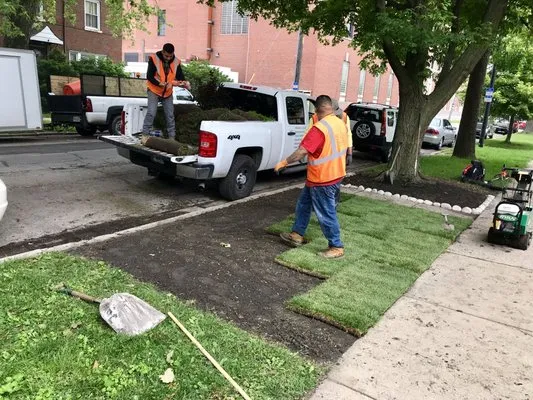
New Blossoms Lawn Care is a woman-owned and managed residential and commercial landscaping company serving Chicago's Northwest areas and nearby suburbs like Evanston, Skokie, and Park Ridge. We provid...
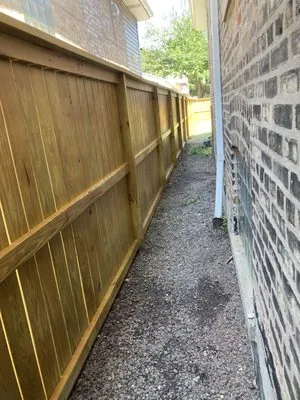
Garcia Landscaping and Construction is a fully licensed and insured family-owned business serving Chicago and the surrounding suburbs. We specialize in bringing your vision to life, from residential r...
Estimated Landscaping Service Costs in Winnetka, IL
Question Answers
How can I maintain a healthy lawn with Winnetka's Stage 1 water conservation guidelines?
Voluntary conservation is effectively managed using Wi-Fi ET-based weather-sensing irrigation controllers. These systems automatically adjust watering schedules by using local evapotranspiration data, applying water only when the Kentucky Bluegrass blend truly needs it. This technology can reduce potable water use by 20-30% while maintaining turf health, keeping irrigation within both ecological best practices and municipal expectations.
What permits and contractor credentials are required for regrading and drainage work on our property?
Significant grading or drainage alterations on a 0.35-acre lot typically require a permit from the Winnetka Community Development Department to ensure compliance with stormwater codes. The contractor must hold appropriate licensing through the Illinois Department of Financial and Professional Regulation. This ensures they carry required insurance and possess the expertise to execute work that affects property drainage patterns and structural integrity, protecting your investment.
How quickly can a crew respond for an urgent storm cleanup to meet HOA compliance deadlines?
For emergency storm response in Winnetka, a dispatch from the Village Green area via I-94 allows for a 20 to 30 minute arrival during peak traffic windows. Crews prioritize safety debris clearance and initial property access. Coordination with local authorities for right-of-way issues is established, ensuring compliance-driven cleanup proceeds efficiently without secondary delays.
What are low-maintenance alternatives to traditional turf that fit the North Shore aesthetic?
Transitioning perimeter zones to a palette of deep-rooted natives like Purple Coneflower, Little Bluestem, and Prairie Dropseed significantly reduces water, fertilizer, and maintenance inputs. These plants thrive in Zone 5b and build soil health. This shift also reduces reliance on gas-powered equipment, aligning with evolving seasonal noise ordinances and creating a resilient, biodiverse landscape.
Are permeable clay pavers a better long-term choice than wood decking for a patio?
For longevity and low maintenance on a 0.35-acre lot, permeable clay pavers offer superior performance. They have a lifespan exceeding 50 years, resist frost heave, and provide excellent drainage—a key advantage in clay soils. While wood requires regular sealing and replacement, pavers maintain stability and contribute to a defensible space appropriate for the area's low Fire Wise rating, without combustibility concerns.
What invasive species should we watch for, and how do we treat them without harming the lawn?
Common invasive alerts include creeping Charlie (Glechoma hederacea) and garlic mustard. Manual removal is effective for early-stage infestations. For targeted chemical control, always conduct a soil test first to confirm nutrient needs, ensuring any application complies with Winnetka's ordinance prohibiting phosphorus on turf without a proven deficiency. Treatments are timed for plant vulnerability, not by calendar, to maximize efficacy and minimize environmental impact.
Our yard pools water after every rain. What's a lasting solution for Winnetka's heavy clay soil?
Poor infiltration is a direct function of Winnetka's saturated clay loam. A tiered solution begins with installing French drains or dry wells to intercept subsurface water. For new hardscapes, specifying permeable clay pavers increases surface permeability, aiding groundwater recharge and often meeting the Community Development Department's stormwater runoff standards. Integrating these systems mitigates saturation and protects foundation soils.
Why does the soil in our Indian Hill neighborhood feel so dense and compacted, and what can we do about it?
Winnetka's 1938 average home age indicates soil profiles that have matured over 88 years without significant intervention. The prevalent Mollisols clay loam naturally compacts over decades, reducing pore space critical for root growth and water infiltration. Core aeration performed in spring or fall, paired with top-dressing compost, introduces organic matter to improve soil structure. This process directly addresses the low permeability and enhances the biological activity necessary for a healthy lawn foundation.
