Top Landscaping Services in Wilmington, IL, 60481 | Compare & Call
There are 104 landscaping companies server in Wilmington IL
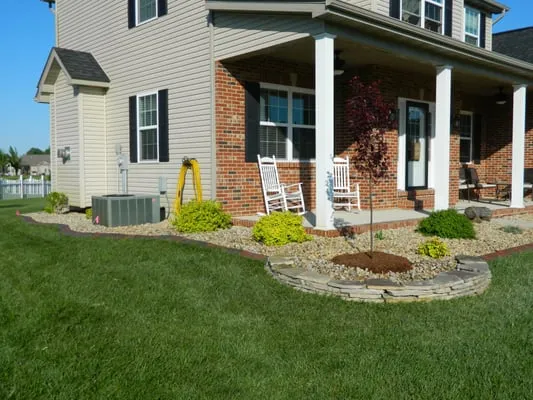
Scott founded Scenic Route Landscape & Design in Swansea, IL, back in 2010, bringing nine years of industry experience and a passion for crafting beautiful, functional outdoor spaces. Over the past fi...
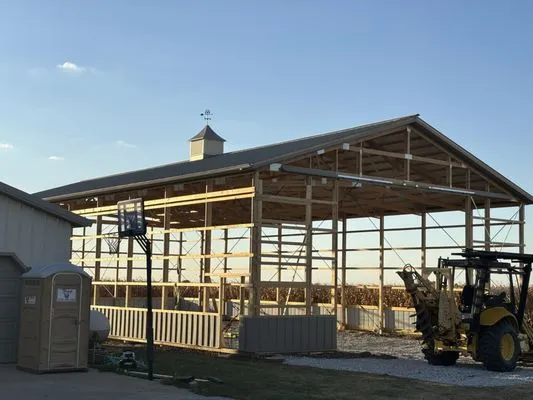
Solis Family Builders and Repair
Solis Family Builders and Repair is a Washburn-based contractor with deep roots in the community. Founded with 27 years of construction industry experience from the owner, this family-run business spe...
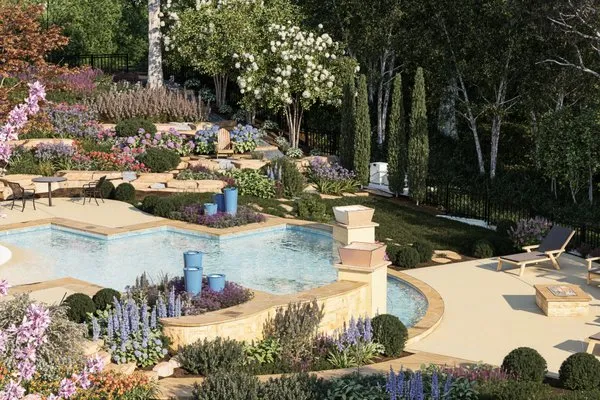
Terry's Home and Garden is a Cahokia Heights-based landscaping and garden center with over 20 years of dedicated service to the local community. Operating from a three-acre nursery, they offer a compr...
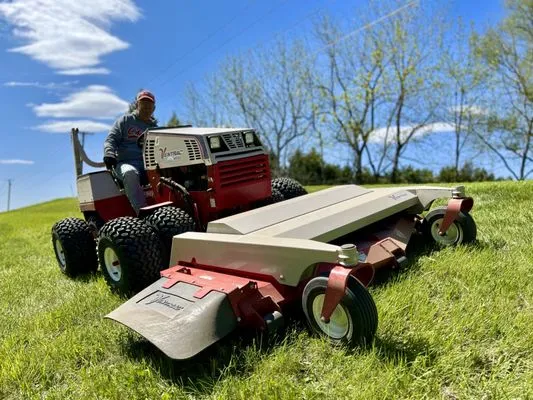
Precision Lawns is a Canton, IL lawn care and snow removal service dedicated to transforming outdoor spaces with meticulous attention to detail. We specialize in mowing, edging, aeration, sod installa...

Eclipse Concrete and Landscape is a locally owned and operated business founded in Breese, IL. Our journey began with a simple desire: to transform ordinary yards into beautiful, functional spaces. I'...
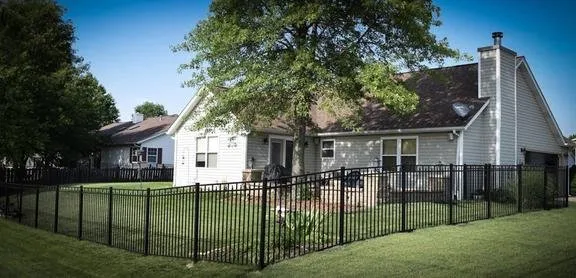
T.L.C. Landscape has been serving the Swansea, IL community and greater St. Louis Metro East Area for over 29 years. Founded on the principle of providing comprehensive landscaping solutions, the comp...
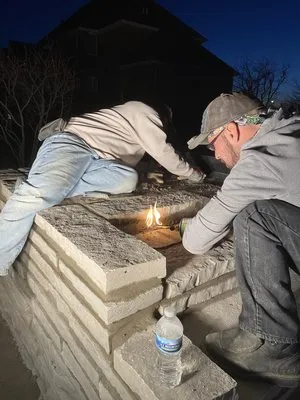
For over 30 years, Premier View Landscaping has been a trusted name for Washington, IL, and the surrounding Peoria-area communities. Founded in 1987, this locally-owned and BBB-accredited company buil...

Coatney Lawn Care is your trusted local lawn service provider in Beardstown, IL. We specialize in comprehensive lawn care to address common local landscaping challenges like persistent mulch bed weeds...
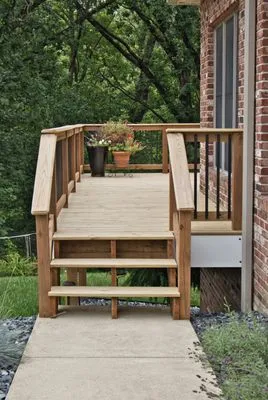
Warnick Complete Land Managment
Warnick Complete Land Management is a family-owned and operated business based in Bethalto, IL, dedicated to transforming outdoor living spaces for clients throughout the region. With a focus on liste...
Image Design & Landscape-Nursery is your full-service partner for enhancing outdoor spaces in Nokomis, IL. We specialize in comprehensive landscaping solutions, from expert design and construction to ...
Estimated Landscaping Service Costs in Wilmington, IL
Questions and Answers
We want to reduce mowing and gas equipment noise. What native alternatives work here?
Replacing 30-50% turf with Purple Coneflower and Little Bluestem matrices cuts mowing frequency by half. These deep-rooted natives establish mycorrhizal networks that improve soil structure without fertilization. Electric maintenance fleets operate below decibel limits while eliminating emissions. Butterfly Weed and Prairie Dropseed plantings require only seasonal cutting, staying ahead of potential gas-blower restrictions in residential zones.
We need emergency storm debris removal to meet HOA compliance deadlines. What's your response protocol?
Emergency crews dispatch from Wilmington Island Park with electric equipment to comply with 7:00 AM noise ordinances. Taking I-55 southbound optimizes the 20-30 minute peak response window. We prioritize large limb removal and drainage channel clearing first, documenting all work for HOA submission. Electric chippers operate below 65 decibels even during restricted hours.
What permits and licenses are needed for regrading our 0.22 acre property?
The Wilmington Building & Zoning Department requires grading permits for soil movement exceeding 50 cubic yards. Illinois Department of Financial and Professional Regulation licensing ensures contractors understand hydrology calculations for proper slope away from foundations. On 0.22 acre lots, certified professionals must design systems handling 1.5 inches of rainfall per hour. Unlicensed grading often violates municipal runoff standards and voids property insurance during flood events.
Our Wilmington yard seems compacted and drains poorly. Is this typical for Downtown Wilmington properties?
Downtown Wilmington lots built around 1963 have 63-year-old soil profiles. Mollisols silt loam naturally develops dense layers over decades, reducing permeability to 0.5 inches per hour. Core aeration every 2-3 years introduces oxygen channels while compost amendments rebuild organic matter above 3%. This addresses the seasonal high water table by improving infiltration capacity before heavy spring rains.
Should we use concrete pavers or wood for our new patio?
Concrete pavers offer 30+ year longevity versus wood's 10-15 year lifespan with maintenance. Interlocking systems accommodate frost heave common in Zone 5b while maintaining permeability ratings above 5 inches per hour. For Wilmington's low fire-wise rating, non-combustible materials create defensible space without requiring special clearances. Crushed limestone bases provide stable drainage layers that prevent washout during spring thaw cycles.
Our yard floods after moderate rains. What solutions work with Wilmington's soil conditions?
Mollisols silt loam's poor infiltration requires graded swales directing water toward permeable hardscape. Crushed limestone bases under concrete pavers achieve 40% void space for subsurface storage. The Wilmington Building & Zoning Department requires stormwater management plans showing 10-year capacity for 0.22 acre lots. French drains with clean stone aggregate provide secondary pathways, lowering the seasonal high water table impact.
We spotted creeping Charlie invading our lawn. How do we treat it without violating fertilizer laws?
Creeping Charlie indicates low soil oxygen and excess moisture. Mechanical removal followed by corn gluten application provides pre-emergent control without phosphorus. The Illinois Phosphorus Fertilizer Act prohibits lawn fertilizers containing phosphorus unless soil tests show deficiency. Improving drainage through aeration and overseeding with Tall Fescue creates competitive pressure. Spot-treating with iron-based herbicides avoids systemic chemicals while respecting municipal runoff concerns.
How can we maintain our Kentucky Bluegrass blend during Stage 1 water restrictions?
Wi-Fi ET-based controllers adjust irrigation to actual evapotranspiration rates, typically reducing water use 25-30% versus traditional schedules. Programming 0.75 inch weekly applications during peak summer meets turf needs while staying within voluntary conservation guidelines. Deep, infrequent watering encourages root development below 6 inches, improving drought resilience. Soil moisture sensors provide backup validation to prevent overwatering during rainfall events.
