Top Landscaping Services in Wilmette, IL, 60043 | Compare & Call

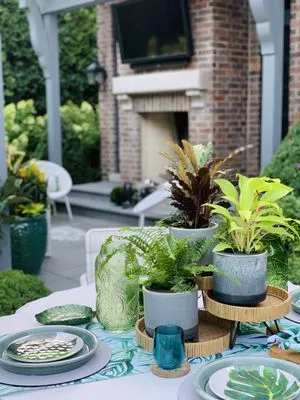
Chalet Landscape is a third-generation, family-owned landscaping business serving Wilmette and the North Shore since 1917. With deep roots in the community, we specialize in comprehensive landscape so...
Bill Kelly Landscape Maintenance is a trusted, local landscaping service dedicated to preserving the beauty and health of Wilmette properties. We understand the common local challenges homeowners face...

Jose Landscaping has been a trusted presence in Wilmette, Evanston, and the broader North Shore suburbs for over two decades. We specialize in comprehensive landscape solutions, from design and constr...

Chalet Nursery
Chalet Nursery & Landscape in Wilmette, IL, began with L.J. Thalmann's humble beginnings, pulling a red wagon of gardening tools behind his bike to care for local lawns. Three generations later, under...

Kernal Home Services is a trusted local provider in Wilmette, IL, specializing in lawn care and window cleaning to address common neighborhood challenges. Many Wilmette homes face landscaping issues l...

Lawn Lads Lawncare is a Wilmette-based lawn service provider dedicated to delivering quality lawn care that balances affordability with environmental responsibility. We specialize in creating and main...
David & Company Lawn Care
David & Company Lawn Care is a trusted, full-service provider for Wilmette homeowners, specializing in lawn care, snow removal, and tree services. We understand the unique challenges of local landscap...
FAQs
We see creeping Charlie and garlic mustard taking over. How do we treat it safely?
These invasive species thrive in compacted soils and outcompete desirable plants. For organic control, manually remove garlic mustard before it sets seed in spring. A targeted, phosphorus-free herbicide application for creeping Charlie in fall, when perennials are sending energy to roots, can be effective. Always adhere to the Illinois Fertilizer Act, which prohibits phosphorus in turf fertilizers, and follow label instructions precisely to protect soil biology and groundwater.
Are permeable clay pavers a better choice than composite wood for a new patio?
For longevity and low maintenance in Wilmette's climate, permeable clay pavers are superior. They offer exceptional freeze-thaw durability, require no sealing or staining, and their permeability mitigates local drainage issues. While composite decking has its place, pavers provide a non-combustible surface, which is a consideration for defensible space even in a low Fire Wise rating urban setting. Their lifespan typically exceeds 25 years with minimal upkeep.
Our yard seems dense and water pools after rain. Is this common for our neighborhood?
Properties in the Village Center, often built around 1956, have mature soils over 70 years old. The prevalent silty clay loam becomes compacted over decades, reducing percolation and creating a dense layer that restricts root growth and water infiltration. Core aeration in spring or fall is critical to break up this compaction. Incorporating 2-3 inches of composted organic matter into the topsoil will gradually improve soil structure and permeability.
Our yard stays soggy for days. What's a long-term solution for poor drainage?
A high seasonal water table combined with slow-draining silty clay loam creates chronic infiltration issues. Installing a French drain system tied to a dry well can intercept and redirect subsurface water. For new patios or walkways, specify permeable clay pavers; their design allows stormwater to percolate into the ground, reducing runoff and often meeting Wilmette Community Development Department's stormwater management standards for residential projects.
We want to reduce mowing and gas-powered equipment use. What are our options?
Transitioning sections of high-maintenance turf to a native plant palette is a forward-looking strategy. Species like Purple Coneflower, Wild Bergamot, and Little Bluestem are adapted to Zone 6a and require no mowing, minimal water, and no leaf-blowing once established. This shift directly reduces reliance on gas-powered equipment, aligning with local seasonal restrictions and creating a resilient, low-input landscape that supports local pollinators.
How can we keep our lawn healthy during Wilmette's summer water conservation periods?
Wi-Fi ET-based weather-sensing irrigation is the standard for compliance. This technology automatically adjusts watering schedules based on real-time evapotranspiration data, preventing over-watering during Stage 1 conservation alerts. For a Kentucky Bluegrass/Tall Fescue blend, this system delivers deep, infrequent watering that encourages drought-tolerant root systems. Properly calibrated, it maintains turf health while staying well within municipal water use guidelines.
What permits and credentials are needed to regrade our backyard?
Regrading a 0.22-acre lot that affects drainage patterns requires a permit from the Wilmette Community Development Department. The contractor performing the work must hold a valid license from the Illinois Department of Financial and Professional Regulation. This ensures they carry the required insurance and understand local soil stability and runoff regulations. Unlicensed grading can lead to improper slope, causing water to drain onto neighboring properties and creating significant liability.
We need emergency storm debris removal to meet an HOA deadline. How quickly can a crew arrive?
For urgent HOA compliance, our dispatch from the Gillson Park area uses I-94 (Edens Expressway) for primary access to the Village Center. During peak hours, the estimated travel time is 20-30 minutes. Our fleet includes electric-powered chippers and hauling vehicles to comply with local noise ordinances, enabling rapid and quiet cleanup operations. We prioritize route efficiency to meet strict deadlines for storm-related debris.
