Top Landscaping Services in Wheaton, IL, 60137 | Compare & Call
There are 233 landscaping companies server in Wheaton IL
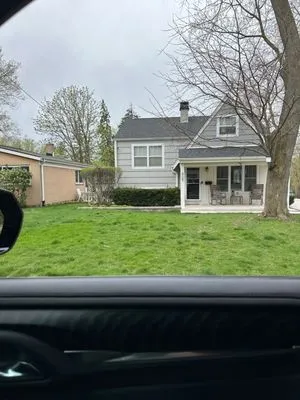
Big Al's Lawn & Garden is a trusted, locally-owned lawn care service provider in Wheaton, Illinois. We specialize in diagnosing and solving the common landscaping challenges homeowners face, such as d...
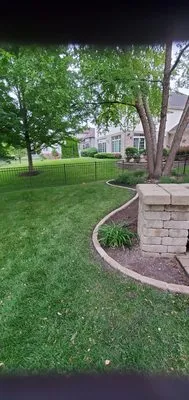
Landmark Landscaping
Landmark Landscaping has been Minooka's trusted, licensed landscaping specialist since 1985, serving all of Will County. We provide a complete range of services, from initial design to final installat...
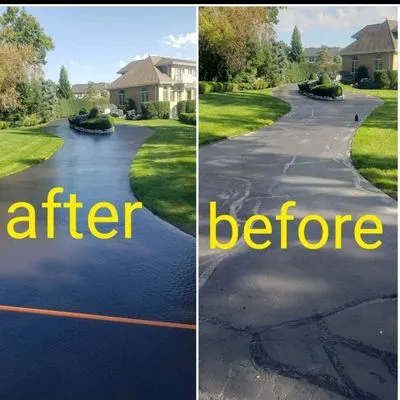
Saul Landscaping is your trusted local partner for year-round outdoor care in Wheeling, IL. We provide reliable landscape maintenance, lawn care, snow removal, and tree services tailored to our commun...

AGW Property Services
AGW Property Services is a family-owned and operated business serving Des Plaines since 2000, founded by Neal Watson after recognizing a need for better customer service in the trades. Named after Nea...
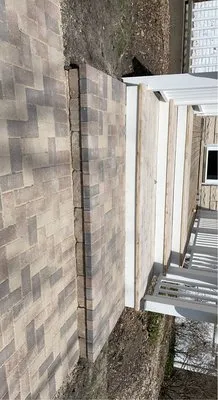
GRF Landscaping is your trusted, full-service landscaping partner serving Mundelein, IL, and the surrounding area. We specialize in resolving common local yard issues like standing water and moss grow...
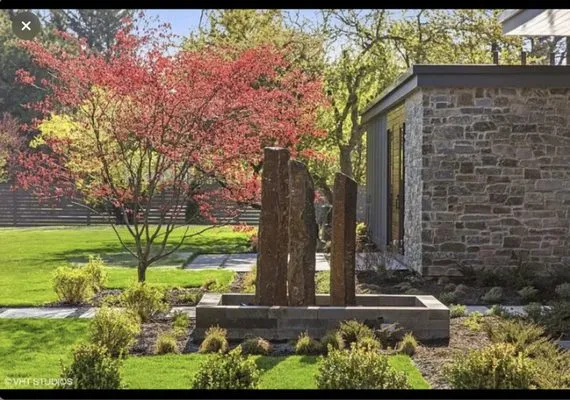
Evelyn & Natte's Hardscapes is a family-owned and operated landscaping and hardscaping business serving Waukegan and the greater Lake County area. With expertise in both softscape and hardscape servic...
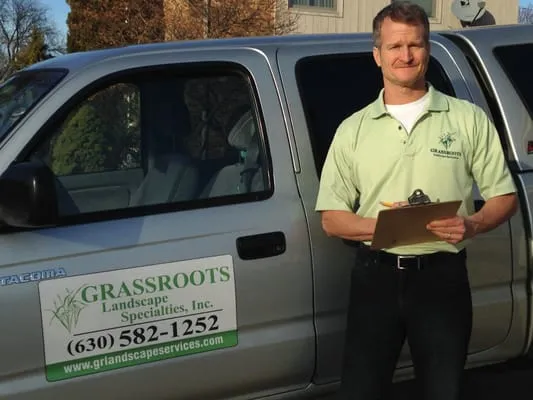
Grassroots Landscape Specialties has been a trusted part of the Roselle community since 1994. Founded and actively managed by owner Tim R, the company brings a personal, hands-on approach to every pro...
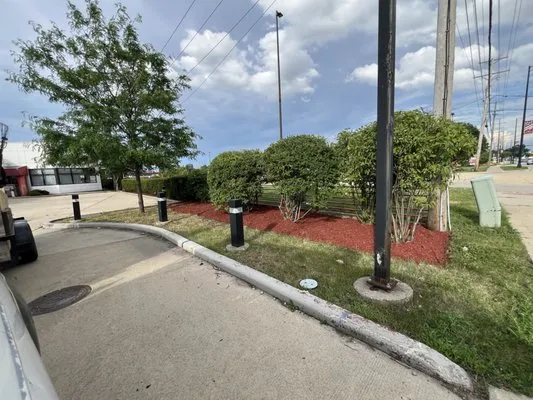
For over 15 years, Peraza Landscaping has been a trusted Hoffman Estates neighbor dedicated to enhancing and protecting local properties. We specialize in comprehensive tree care, from expert pruning ...
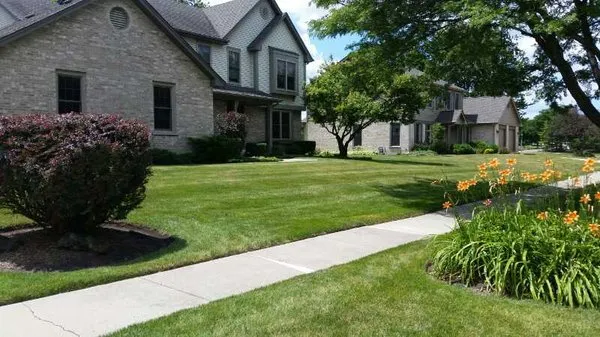
Sweeney's Custom Landscaping
Sweeney's Custom Landscaping is a family-owned Villa Park landscaping company established in 2014, bringing over seven years of dedicated service to the community. Founded by Tom and Kim with their so...
Ortiz Brothers is a trusted, family-owned landscaping and tree service company serving Carol Stream, IL. We understand the common local challenges homeowners face, such as persistent mulch bed weeds a...
Estimated Landscaping Service Costs in Wheaton, IL
Common Questions
Is a new paver patio or a wood deck better for longevity and safety in our suburban setting?
Clay pavers offer superior longevity with minimal maintenance compared to wood, which requires regular sealing and is susceptible to rot. For a 0.22-acre lot in a Low Fire Wise rating zone, pavers also provide a non-combustible defensible space immediately adjacent to the home. Crushed limestone pathways offer a permeable, cost-effective alternative for secondary walkways.
Our yard stays soggy for days after rain. What's a lasting solution for poor drainage on our clay soil?
The high seasonal water table and poor infiltration of Drummer clay loam require engineered solutions. Installing a French drain system tied to a dry well can intercept subsurface water. For new hardscapes, specify permeable clay pavers or an open-graded crushed limestone base to increase surface permeability, which also helps meet Wheaton Planning Department's stormwater runoff management standards.
Do we need a permit to regrade our backyard for better drainage, and what type of contractor should we hire?
Yes, significant regrading on a 0.22-acre lot typically requires a permit from the Wheaton Planning & Economic Development Department to ensure proper stormwater management. You must hire a contractor licensed by the Illinois Department of Financial and Professional Regulation for excavation and earth moving. This ensures the work meets structural and environmental codes, protecting your property and the watershed.
How can we maintain a healthy Kentucky Bluegrass lawn under Wheaton's Stage 1 water conservation rules?
Wi-Fi ET-based irrigation controllers are the precise solution. They automatically adjust watering schedules by using real-time evapotranspiration data from local weather stations, applying only the water the turfgrass blend actually needs. This technology often reduces total water use by 20-30% while preserving turf health, keeping you well within voluntary conservation guidelines.
We have an urgent HOA compliance notice for overgrown vegetation. What is your fastest possible response time?
Our peak storm response protocol is 20-30 minutes for properties like yours. We dispatch an electric maintenance vehicle from the Cosley Zoo area, utilizing I-355 to reach the College Avenue District efficiently. This fleet complies with local noise ordinances, allowing for immediate service upon arrival without operational restrictions.
What invasive species should we watch for, and how do we treat them without using restricted fertilizers?
Key invasive alerts for Wheaton include buckthorn, garlic mustard, and creeping Charlie. Manual removal or targeted spot-treatment with approved herbicides during the plant's active growth phase is effective. Remember, local ordinance requires phosphorus-free fertilizer unless a soil test confirms a deficiency; this law targets water quality, not invasive control, so it does not limit your treatment options for weeds.
Our 1970s-era College Avenue District lawn is compacted and water pools on the surface. What's the underlying soil issue?
Homes built in 1976, like many in your area, have 50-year-old landscapes on Drummer silty clay loam soil. This Mollisol is naturally fertile but becomes dense and impermeable over decades of standard maintenance, severely limiting water infiltration. Core aeration is essential to relieve compaction, followed by top-dressing with compost to rebuild soil structure and increase organic matter content above 5%.
We want to reduce weekly mowing and gas-powered tool use. What are low-maintenance alternatives?
Transitioning perimeter zones to a native plant community using species like Purple Coneflower, Little Bluestem, and Prairie Dropseed eliminates weekly mowing and drastically reduces the need for leaf blowers. These deep-rooted perennials build soil health, require no fertilizer after establishment, and provide superior habitat, aligning with both biodiversity goals and evolving noise ordinance considerations.
