Top Landscaping Services in Westmont, IL, 60516 | Compare & Call
There are 201 landscaping companies server in Westmont IL
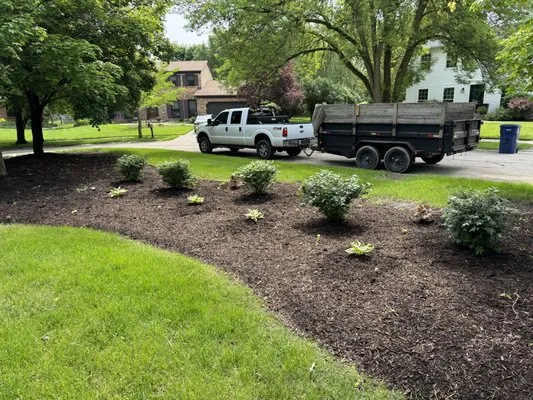
B&B Landscape Service is a family-owned landscaping company serving Naperville, IL since 1998. Founded by brothers Sean and Mike Berry, we specialize in comprehensive outdoor care including landscape ...
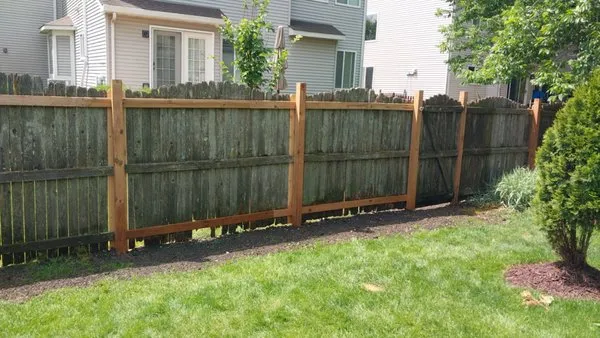
Green World Landscaping Service in Lisle, IL, is a dedicated local firm specializing in creating and maintaining beautiful, healthy outdoor spaces. We focus on resolving common area challenges like de...
Pacific Coast Irrigation is a trusted irrigation and lawn service provider serving Woodridge, IL, and the surrounding area. With expertise in irrigation construction, design, repair, and maintenance, ...

Alpha Landscaping has been serving Woodridge, IL and surrounding communities like Downers Grove and Naperville since 2008. What began as a modest operation with a single push mower has grown into a fu...
Home Landscape Materials
Home Landscape Materials has been a trusted, family-owned garden center and nursery in Bolingbrook since 1976. From a modest three-acre start, we've grown to a ten-acre facility offering a comprehensi...
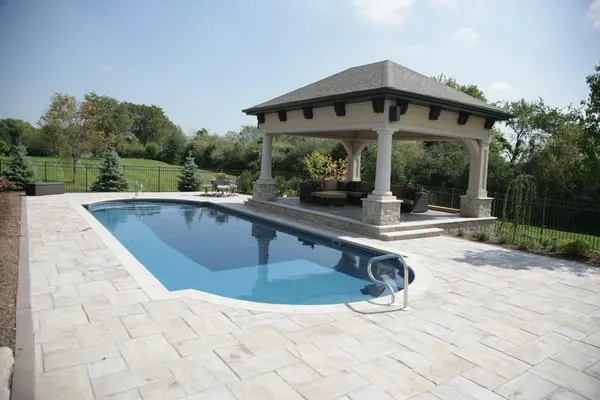
Bret-Mar Landscape
Bret-Mar Landscape is a licensed landscape architecture firm serving Homer Glen, IL, since 1985. Founded and operated by husband-and-wife team Sharon and Kurt, both graduates of the University of Wisc...
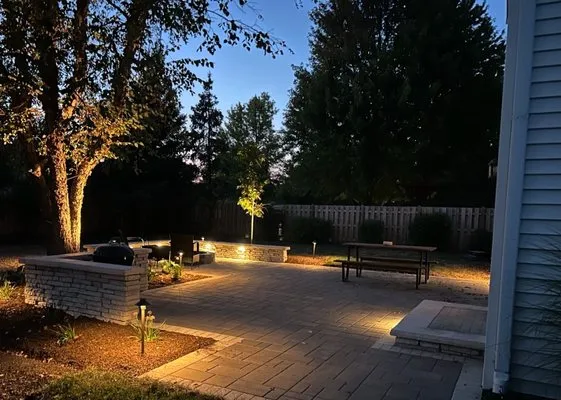
Since 1984, Figgins Trees & Turf has been a trusted, family-owned landscaping business in Oswego, IL. Founded by Bill Figgins and later joined by his son Carl—a University of Illinois horticulture gra...
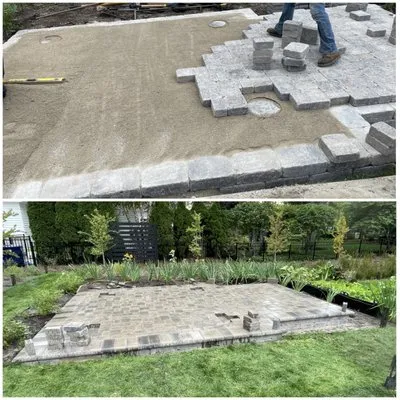
Beto’s Landscaping
Beto's Landscaping is a family-owned and operated company serving Carol Stream and the surrounding communities. With over 15 years of experience, our team provides reliable, high-quality lawn care, tr...
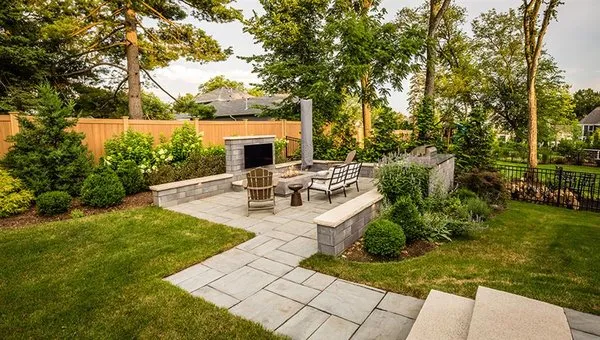
Bruss Landscaping
Bruss Landscaping is a third-generation family business serving Wheaton and the western Chicago suburbs since 1952. Founded by Carl and Anne Bruss as a nursery and garden center, the company has evolv...

Durane's Landscaping is a family-owned business that has been rooted in the Woodridge, IL community for over 9 years, with the owner bringing over 15 years of personal experience to every project. Wha...
Estimated Landscaping Service Costs in Westmont, IL
Q&A
What low-maintenance alternatives exist for my high-water turf areas?
Transitioning to native plantings like Purple Coneflower, Little Bluestem, Swamp Milkweed, and Wild Bergamot reduces water needs by 60-80% compared to traditional turf. These species support local pollinators while requiring minimal maintenance beyond seasonal cutting. This approach aligns with evolving noise ordinances restricting gas-powered blowers and mowers. Electric maintenance equipment now handles these plantings quietly within permitted hours.
Are concrete pavers better than wood for Westmont patio installations?
Concrete pavers and crushed limestone offer superior longevity to wood, with 25+ year lifespans versus wood's 10-15 years with maintenance. These materials provide stable, permeable surfaces that meet Westmont's low Fire Wise rating requirements for defensible space. Unlike wood, they don't require chemical treatments that could leach into soil. Properly installed with appropriate base materials, they withstand freeze-thaw cycles common in USDA Zone 5b.
What permits and licenses are needed for grading my 0.22-acre Westmont property?
Grading projects exceeding 50 cubic yards of earth movement require permits from the Westmont Community Development Department. The Illinois Department of Agriculture licenses professionals performing this work, ensuring proper erosion control and soil management. On 0.22-acre lots, even modest grading can trigger permit requirements due to runoff implications. Licensed contractors understand how to balance cut-and-fill operations while protecting existing tree root zones and drainage patterns.
How should I treat invasive species without violating fertilizer regulations?
Common invasive alerts in Zone 5b include garlic mustard and buckthorn, which outcompete native vegetation. Manual removal before seed set proves most effective for small infestations. For larger areas, targeted herbicide applications follow Illinois Department of Agriculture guidelines while avoiding the phosphorus fertilizer ban. Always conduct soil testing before any nutrient application to confirm deficiencies, as established turf rarely requires phosphorus supplementation in this region.
What solutions address seasonal flooding in my Westmont yard?
Drummer Silty Clay Loam's poor infiltration combines with seasonal high water tables to create drainage challenges. Installing French drains with clean gravel and perforated pipe redirects subsurface water away from foundations. Permeable concrete pavers or crushed limestone hardscapes meet Westmont Community Development Department runoff standards by allowing water infiltration. These systems reduce surface pooling while maintaining soil stability during heavy precipitation events.
Why does my Westmont lawn have drainage issues and compacted soil?
Westmont's Gregg House Area was developed around 1976, giving soils approximately 50 years of maturation. Drummer Silty Clay Loam, common in this neighborhood, has naturally poor permeability due to its fine texture. Over decades, foot traffic and equipment weight have further compacted the soil profile, reducing pore space for water movement. Core aeration with organic amendments like composted leaf mulch improves soil structure and infiltration rates in these established lots.
How quickly can you respond to an emergency tree cleanup after a storm?
Emergency storm response typically requires 20-30 minutes during peak conditions from our dispatch location. Crews route from Ty Warner Park via IL-83 to access the Gregg House Area efficiently. This timing accounts for traffic variables while ensuring compliance with Westmont's 7:00 AM to 9:00 PM equipment operation window. HOA compliance issues receive similar priority scheduling to avoid violation notices.
How can I maintain my Kentucky Bluegrass and Tall Fescue blend during water restrictions?
Wi-Fi ET-based weather sensing controllers optimize irrigation by adjusting schedules to actual evapotranspiration rates. These systems reduce water use 20-30% compared to traditional timers while preserving turf health. During Stage 1 voluntary conservation, programming deeper, less frequent watering encourages root development. Proper calibration ensures your lawn receives adequate moisture without exceeding municipal water allocation limits.
