Top Landscaping Services in Western, IL, 61240 | Compare & Call

There are 17 landscaping companies server in Western IL
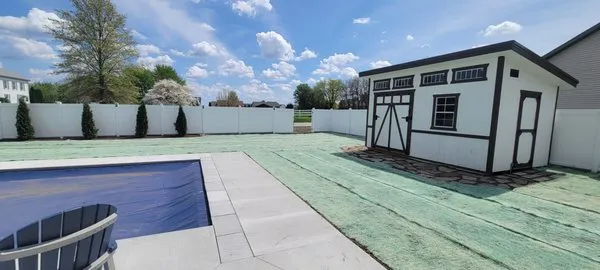
Little Mans Landscape and Excavation
Little Mans Landscape and Excavation is your local, full-service partner for outdoor projects in Hettick and the surrounding area. We build and maintain the landscapes that our neighbors enjoy, handli...

Sandlin Roofing & Landscaping is a locally owned and operated business serving Macomb, IL, and the surrounding communities. Founded by Gabriel Sandlin, the company brings a practical, hands-on approac...

Gabella Farm is a Rushville-based landscaping business rooted in a deep appreciation for the land. Beyond traditional services like landscape construction, maintenance, and lawn care, the farm itself ...
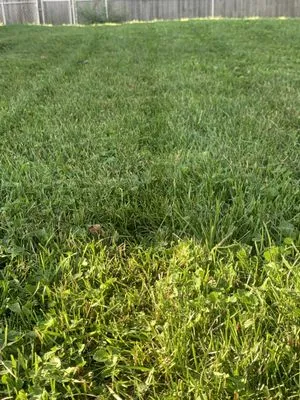
Johnson's Lawncare Service's & More is a trusted local lawn care provider serving Springfield, IL homeowners. We specialize in comprehensive lawn care services designed to address common local landsca...
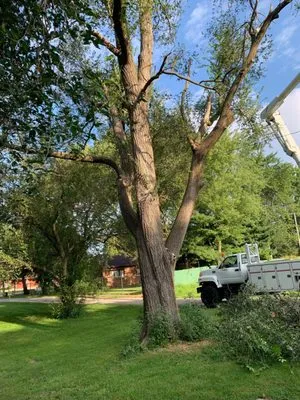
For over a decade, Mad About Trees has been the trusted name for tree health care in Lincoln, IL. We specialize in comprehensive tree care services, from professional removals and proper trimming to d...
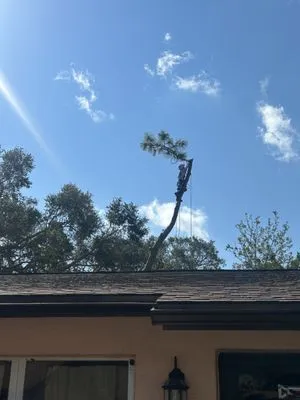
Thurman and Son Yard Works is a family-owned lawn and tree care business serving Galesburg, IL, with comprehensive services including lawn care, snow removal, and specialized tree services. We underst...
For over 45 years, SpringGreen has been the trusted local resource for comprehensive lawn, pest, and tree care in Galesburg. We understand the unique challenges of our local climate and soil, and our ...
Pyles Construction has been a trusted name in Macomb, IL, for over 35 years, specializing in landscaping, masonry/concrete, and general contracting. Our deep local expertise allows us to address commo...
Team Green Lawn Pro is a family-owned and operated lawn care service that has been proudly serving Macomb and the surrounding communities since 2008. Founded on principles of reliability and a genuine...
Premier Lawn Care is your dedicated, local expert for revitalizing and maintaining Macomb, IL properties. We specialize in addressing the area's frequent landscaping challenges, such as landscape edgi...
Estimated Landscaping Service Costs in Western, IL
Frequently Asked Questions
I've spotted what looks like Japanese knotweed. How should I handle invasive species without harming my lawn?
Correct identification is critical; we can confirm species like knotweed, garlic mustard, or buckthorn. Treatment involves targeted, systemic herbicide applications at specific growth stages, strictly following label instructions. This precise approach avoids broadcast spraying that would violate the local ordinance prohibiting phosphorus on established turf. For some species, careful manual removal followed by soil amendment with native seed is effective and supports long-term ecological balance.
Why does my contractor need a specific license to regrade my 0.25-acre lot?
In Illinois, any grading that alters water drainage patterns or involves significant earth moving is regulated. The Illinois Department of Financial and Professional Regulation issues licenses for this work, ensuring contractors understand soil mechanics and erosion control. For a 0.25-acre lot, changes can impact neighboring properties and municipal storm systems, often requiring a permit from the Western Department of Planning and Development. Hiring a licensed professional ensures the work meets code and avoids future liability.
Are clay brick pavers a good long-term choice for a patio compared to composite wood?
Clay brick pavers offer superior longevity and lower lifetime maintenance than wood or composite materials. Their mineral composition does not rot, warp, or require sealing, and they have a high compressive strength for our freeze-thaw cycles. In terms of Firewise principles, their non-combustible nature is advantageous for creating defensible space, even in Western's low-risk rating, by providing a permanent fire-resistant barrier adjacent to the home.
I want to reduce mowing, blowing, and watering. What's a climate-adapted alternative to my traditional lawn?
Transitioning to a native plant community is a forward-looking solution. Species like Purple Coneflower, Butterfly Milkweed, Little Bluestem, and Wild Bergamot are adapted to Zone 5b and require no irrigation once established, no regular mowing, and minimal fertilization. This landscape drastically reduces maintenance, eliminating reliance on gas-powered blowers and aligning with evolving noise ordinances. It also provides superior habitat, supporting local biodiversity and soil ecosystems.
My yard stays soggy long after rain. What's a lasting solution for Western's high water table?
A moderate seasonal high water table is common here due to the underlying silt loam's moderate drainage rate. Installing a French drain system tied to a dry well can intercept and redirect subsurface water. For new hardscapes, using permeable clay brick pavers instead of solid concrete improves surface infiltration, which can help meet the Western Department of Planning and Development's stormwater runoff requirements. These strategies work in concert to mitigate surface ponding.
A storm damaged trees and scattered debris, and my HOA requires a quick cleanup. How fast can a crew respond?
For emergency storm response, a dispatched crew from Western City Hall Plaza can access I-88, reaching most Western Highlands properties within the 25-35 minute peak response window. We prioritize safety and compliance, using electric equipment to operate within local noise ordinances if arrival occurs during restricted hours. The focus is on securing the site, removing hazardous limbs, and initiating debris management to meet HOA standards efficiently.
How can I maintain my Kentucky Bluegrass and Tall Fescue lawn during Western's voluntary water conservation stage?
Wi-Fi ET-based weather sensing controllers are the optimal tool for conservation. They automatically adjust irrigation schedules by using real-time evapotranspiration data, applying water only when the turf needs it. This technology can reduce water use by 20-30% while preserving turf health, keeping you well within Stage 1 voluntary limits. Deep, infrequent watering cycles encouraged by these systems also promote deeper root growth, enhancing drought resilience.
My yard in Western Highlands seems compacted and tired. What's the likely cause?
Homes built in the 1960s, like many in Western Highlands, have soil profiles approximately 66 years old. Over decades, routine traffic and maintenance compress the native silt loam, degrading its structure and permeability. This soil type is prone to compaction, which restricts root growth and water infiltration. Core aeration and incorporating organic compost are essential to rebuild soil biology and improve percolation for long-term health.
