Top Landscaping Services in West Peoria, IL, 61604 | Compare & Call
There are 128 landscaping companies server in West Peoria IL
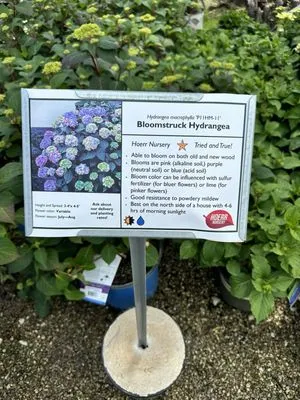
For nearly a century, Hoerr Nursery has been a trusted part of the Peoria community, growing from a humble topsoil delivery service in 1926 into a multi-generational family business. Now led by the th...
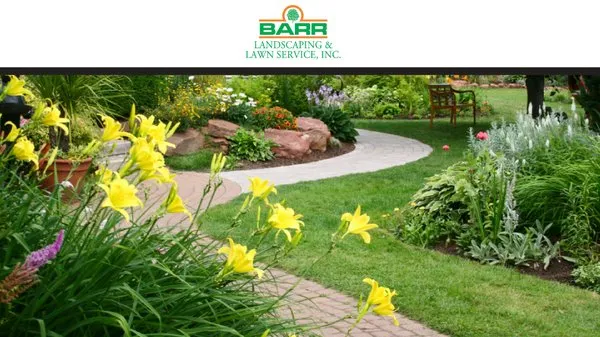
Barr Landscaping & Lawn Service
Barr Landscaping & Lawn Service is a locally-owned company dedicated to transforming outdoor spaces for residents and businesses across Peoria and the surrounding communities. We provide a comprehensi...

For over 48 years, Durdel Ted Landscaping & Tree Service has been the trusted name for Peoria homeowners seeking reliable tree and landscape care. As an Illinois State licensed pesticide applicator, w...
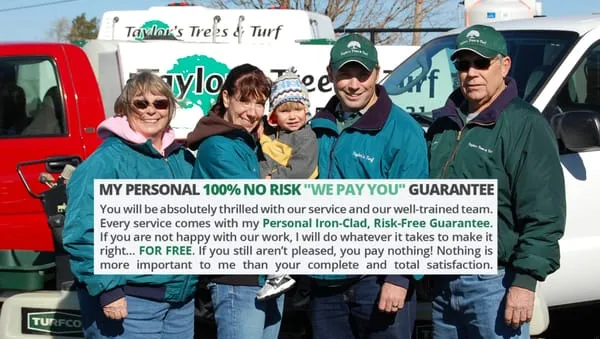
Taylor's Way is a family-owned, Princeton-based company with deep roots in the community, founded by Clarence 'Buster' Taylor and his father Phil in 1966. Starting as a simple mowing service, it has g...
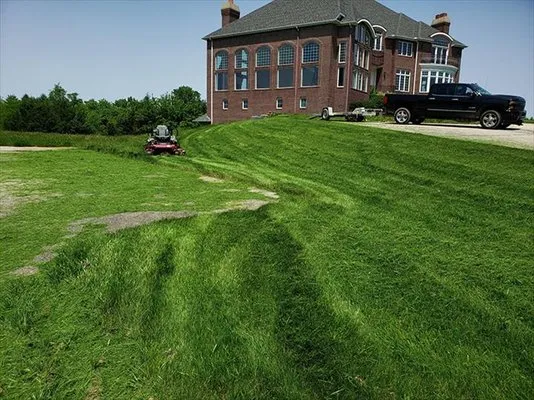
Foster's Pro-Lawn & Snow Removal has been serving Peoria, IL, and surrounding Tazewell and Woodford counties since 1986, building a reputation for reliable, comprehensive outdoor care. With over 35 ye...
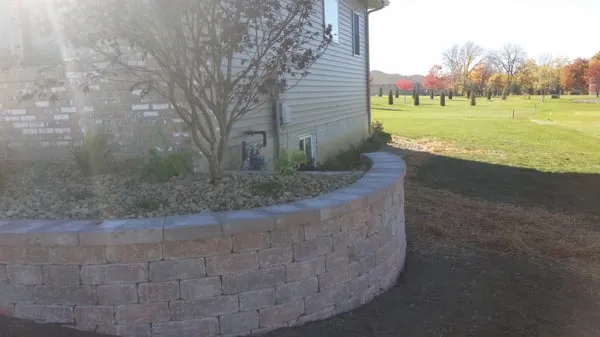
Cuttin' It Close Lawn Care & Landscaping
Cuttin' It Close Lawn Care & Landscaping is a locally owned and operated business serving Peoria and Central Illinois. We specialize in comprehensive lawn care and landscaping services for both reside...
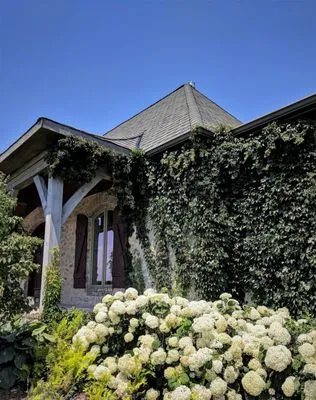
Brookside Landscapes
Brookside Landscapes is a design/build firm serving Eureka, IL, and surrounding areas since 1993. Founded by Eric with a passion for creating landscapes that enhance daily life, the company has grown ...
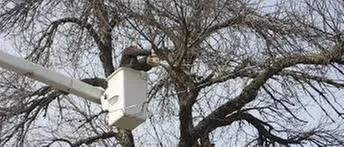
Durdel & Sons Landscaping & Tree Service
Durdel & Sons Landscaping & Tree Service is a family-owned business serving Central Illinois since 1928. With three generations of experience, we specialize in comprehensive tree and shrub health care...
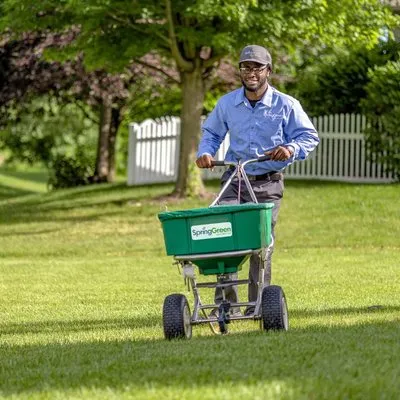
For over 45 years, SpringGreen has been the trusted local provider for lawn, pest, and tree care in Peoria. We believe a healthy landscape contributes to our community's beauty and well-being. Our app...
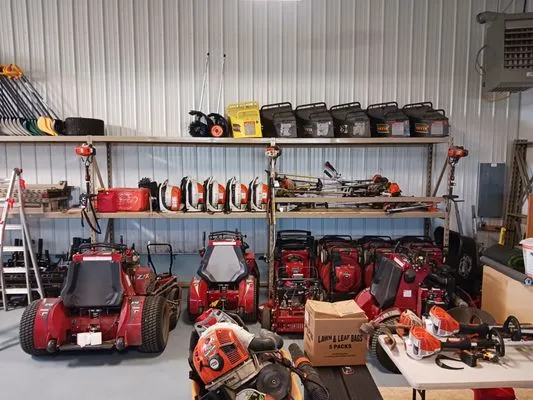
Peoria Lawn's story began in Bartonville out of a practical need for dependable, affordable lawn care. Founded in 2011, the company was born when its owners, needing reliable service for their own pro...
Estimated Landscaping Service Costs in West Peoria, IL
Question Answers
Why does the soil in my yard seem so dense and compacted?
Most homes in West Peoria Proper were built around 1943, giving the soil an 83-year history of standard construction compaction and basic lawn care. This age typically results in a mature but dense silt loam profile with moderate permeability. To improve soil structure for your Kentucky Bluegrass, we recommend core aeration and amending with compost to boost organic matter, which addresses the common pH of 6.5-7.2 by enhancing microbial activity and water infiltration.
If a major storm downs a tree branch, how quickly can a crew arrive?
For emergency storm cleanup to maintain HOA compliance, our dispatch from the Franciscan Recreation Complex uses I-74 for direct access. This routing ensures a peak response window of 20-30 minutes to most addresses in West Peoria Proper. We coordinate with the city's standard noise ordinance hours, scheduling all equipment operation between 7:00 AM and 9:00 PM.
Are concrete pavers a better choice than wood for a new patio?
For longevity and low maintenance in our climate, inorganic materials like concrete pavers or crushed limestone outperform wood. They resist frost heave and decay, requiring no chemical treatments. In the context of West Peoria's low urban Fire Wise rating, these non-combustible materials also contribute to defensible space by not adding fuel load, unlike wooden decks or mulch beds placed near structures.
What should I do if I see invasive plants like garlic mustard or bush honeysuckle?
Invasive species alert: these plants aggressively outcompete natives like Butterfly Milkweed. Manual removal is most effective, while careful spot-treatment with approved herbicides may be necessary for established stands. All treatments must avoid phosphorus-based fertilizers on established turf, as mandated by local ordinance. We time interventions to prevent seed set without disrupting the soil's biological health.
What permits and credentials are needed to regrade my yard?
Regrading a 0.25-acre lot often requires a permit from the City of West Peoria Planning and Zoning Department to ensure proper drainage and adherence to code. The contractor must hold appropriate licensing through the Illinois Department of Financial and Professional Regulation. This is crucial for work that alters water flow or soil volume, as improper grading can create runoff issues affecting neighboring properties and municipal systems.
Is there a lower-maintenance alternative to my traditional grass lawn?
Transitioning sections of high-input turf to a native plant palette is a forward-thinking strategy. Species like Purple Coneflower and Little Bluestem are adapted to Zone 5b, require no weekly mowing, and support local biodiversity. This xeriscaping approach also future-proofs your property against evolving noise ordinances that may further restrict gas-powered blowers and mowers during key maintenance hours.
My yard gets soggy every spring. What's the best solution?
Seasonal soil saturation is a frequent issue in West Peoria's silt loam due to its moderate runoff characteristics. To mitigate this, we design grading and French drain systems that redirect water. Incorporating permeable hardscapes like crushed limestone or specific concrete pavers can significantly increase surface infiltration, often meeting the City of West Peoria Planning and Zoning Department's standards for managed stormwater runoff on residential lots.
How can I keep my lawn green without wasting water?
Despite Stage 0 water restrictions, efficient irrigation is critical for soil health. A Wi-Fi ET-based weather-sensing system calculates real-time evapotranspiration, delivering precise moisture to your Tall Fescue blend only when needed. This technology prevents over-saturation of the native silt loam, conserves municipal water, and maintains turf vitality by aligning irrigation with actual climatic demand rather than a fixed schedule.
