Top Landscaping Services in West Chicago, IL, 60185 | Compare & Call
There are 204 landscaping companies server in West Chicago IL
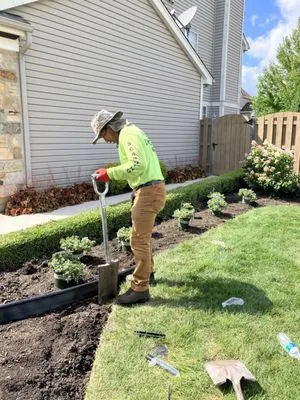
Scardino Landscape & Design is a Bartlett-based landscaping company owned and operated since 2008, specializing in comprehensive outdoor solutions for local homeowners. We focus on creating durable, e...
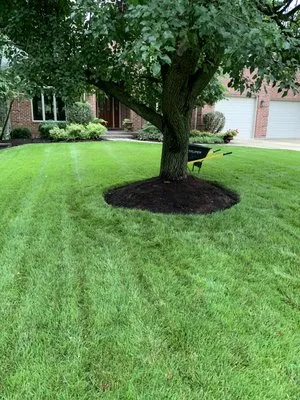
Solis Landscaping is a full-service landscaping company serving West Chicago, IL, specializing in comprehensive solutions for residential properties. We address common local issues like patchy grass l...
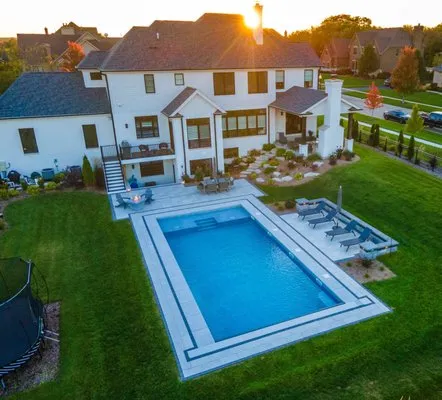
Fox Valley Hardscapes is a St. Charles-based landscaping company with over 15 years of experience serving the greater Chicagoland area, particularly the Northwest suburbs. We specialize in transformin...

Willow Tree Care is a trusted Warrenville-based provider offering comprehensive tree services, landscaping, and snow removal. We specialize in irrigation design, landscape building design, greenscape ...
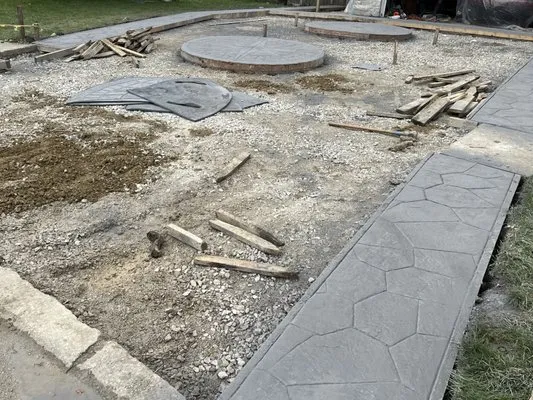
O & C Concrete & Landscaping is a trusted local contractor in Warrenville, IL, specializing in masonry, concrete, and landscaping solutions. We help homeowners and businesses tackle common area challe...
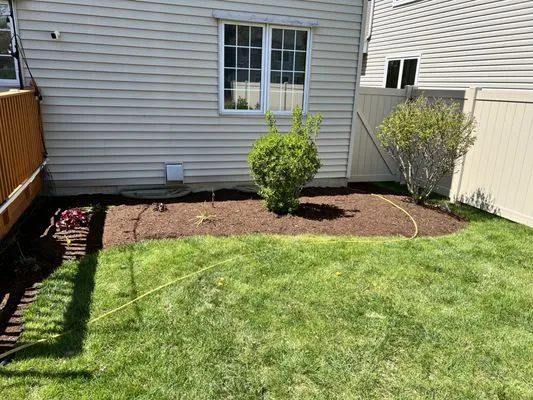
Premium Lawn Service is a trusted lawn care provider in West Chicago, IL, dedicated to maintaining beautiful, healthy yards for local homeowners. We specialize in comprehensive lawn care solutions tha...
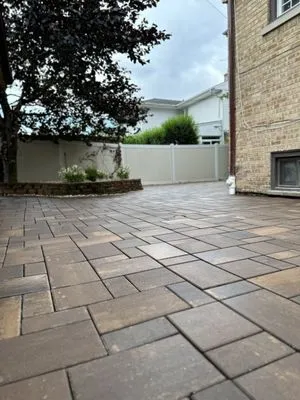
B&B Landscaping Services is your dedicated Oak Park partner for transforming outdoor living spaces. Since 2014, we've been committed to enhancing the beauty and value of homes throughout Oak Park and ...

Starved Rock Property Maintenance is your trusted Ottawa, IL neighbor for year-round property care. We specialize in comprehensive snow removal, landscaping, and pressure washing services tailored to ...
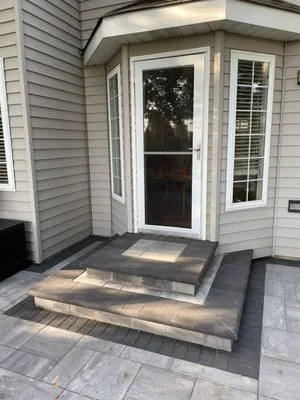
Salinas Landscaping has been serving West Chicago, IL, and surrounding areas since 2001 as a licensed landscaping and hardscaping company. We specialize in comprehensive outdoor solutions for both res...
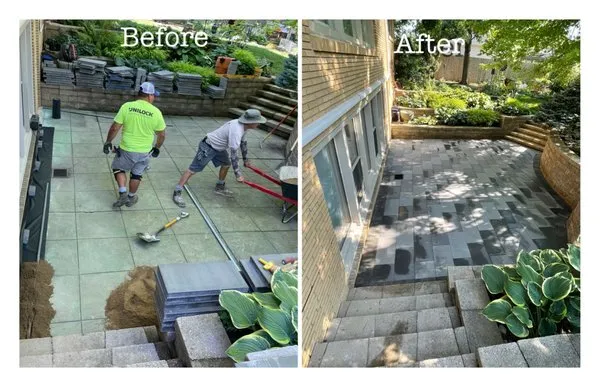
Soriano Landscape & Pavers is a family-owned business in Berkeley, IL, built on a foundation of independence and a commitment to quality. With over 20 years of hands-on experience, we specialize in ex...
Estimated Landscaping Service Costs in West Chicago, IL
Questions and Answers
My yard holds water for days after rain. What's the best long-term fix for poor drainage here?
Persistent pooling indicates the high seasonal water table interacting with our dense, clay-based soil. The fundamental fix involves improving permeability. We recommend replacing impervious surfaces with permeable pavers or a stabilized crushed limestone path, which allows water to infiltrate. For turf areas, installing a French drain system tied to a dry well can intercept subsurface water. These solutions manage runoff on-site, which aligns with the Community Development Department's updated stormwater standards.
What permits and contractor qualifications are needed to regrade my 0.22-acre lot to fix drainage?
Regrading that alters water flow typically requires a permit from the West Chicago Community Development Department. More importantly, the work must be performed by a contractor licensed by the Illinois Department of Financial and Professional Regulation. For significant earthmoving, this ensures they carry the required insurance and understand soil engineering principles. On a lot of your size, improper grading can negatively impact neighboring properties, making professional licensing and permits essential for legal and functional results.
I want a lower-maintenance yard that doesn't need weekly mowing or gas-powered blowers. What are my options?
Transitioning to a native plant community is the most effective strategy. Species like Purple Coneflower, Little Bluestem, and Wild Bergamot are adapted to Zone 5b and require no fertilization, rare watering, and only an annual cutback. This creates a perennial landscape that eliminates weekly mowing. It also future-proofs your property against tightening noise ordinances that restrict gas-powered equipment, as maintenance shifts to quiet, electric hand tools.
What invasive plants should I watch for in West Chicago, and how do I remove them without using banned fertilizers?
Key invasive alerts include garlic mustard, buckthorn, and Japanese knotweed. Manual removal is best for small infestations, ensuring you extract the entire root system. For larger issues, a targeted, systemic herbicide applied by a licensed professional during the plant's active growth phase is most effective. Crucially, these treatments are separate from lawn fertilization and do not involve phosphorus, thus fully complying with the statewide phosphorus ban for established lawns.
Are concrete pavers a better choice than wood for a new patio, considering our weather and wildfire risk?
Concrete pavers are superior for longevity and fire resilience in our climate. Unlike wood, they will not rot, warp, or attract termites. They also provide a critical non-combustible zone for defensible space, which is a consideration under West Chicago's Moderate Wildfire Risk Urban Interface rating. For pathways, crushed limestone is another excellent, permeable option. Both materials offer decades of service with minimal maintenance compared to wooden structures.
If a storm damages a tree on my property, how quickly can a crew arrive for an emergency cleanup?
For urgent situations like storm damage or imminent HOA violations, we prioritize a rapid response. A crew dispatched from our office near West Chicago City Hall can take the I-88 corridor directly into the Reed-Keppler area. Accounting for peak traffic conditions, you can expect our first-response team on-site within 25 to 40 minutes to secure the area and begin debris management, adhering to all local safety ordinances.
My Reed-Keppler yard seems to have heavy, slow-draining soil. Is this common for a neighborhood built in the early 1980s?
Yes, that is a direct result of your property's age and soil type. With houses averaging from 1981, the topsoil has been compacted for over 40 years. West Chicago's prevalent Drummer Silty Clay Loam is a dense Mollisol with naturally poor permeability. Decades of foot traffic and traditional mowing have degraded soil structure, reducing pore space for air and water. Core aeration and adding composted organic matter are critical to restore infiltration and support healthy root systems.
How can I keep my Kentucky Bluegrass lawn healthy during summer while following the city's water conservation guidelines?
Modern ET-based, Wi-Fi-connected irrigation controllers are the solution. They automatically adjust watering schedules by calculating real-time evapotranspiration data from local weather stations. This system delivers precise moisture only when needed, deeply watering to encourage drought-tolerant roots. It effectively maintains turf health while operating well within West Chicago's Stage 1 voluntary conservation parameters, often reducing total water use by 20-30% compared to traditional timer systems.
