Top Landscaping Services in Waterloo, IL, 62298 | Compare & Call

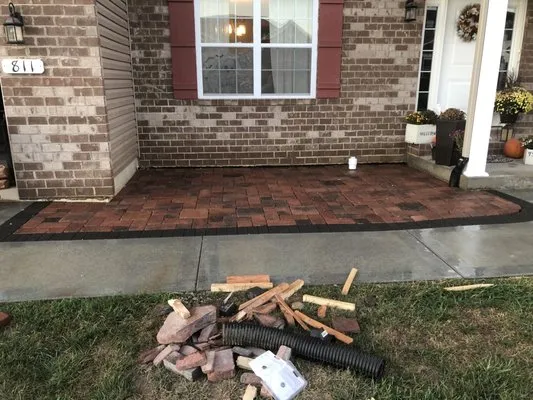
Goodman Lawn Care and Landscaping is a locally owned and operated lawn service business in Waterloo, IL, founded in 2016. Starting with lawn care and landscaping for friends and family, we expanded to...

Scharf Landscaping & Lawn Care is a trusted local landscaping company serving Waterloo, IL, and the surrounding areas. We specialize in comprehensive lawn care and landscaping solutions tailored to th...

Casey Foster is a versatile, family-owned service provider in Waterloo, IL, trusted for over a decade. We specialize in expert appliance repair and installation, helping local homeowners fix everythin...
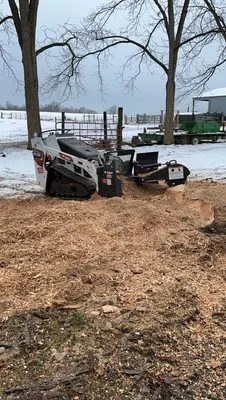
Atop Outdoors is a locally owned and operated business in Waterloo, IL, founded by a lifelong resident who grew up on a farm here. With a strong work ethic developed through 12 years of Catholic schoo...

Cornerstone Construction is a family-owned and operated home renovation company serving Waterloo, IL, and the surrounding areas. We specialize in comprehensive indoor and outdoor renovations, includin...
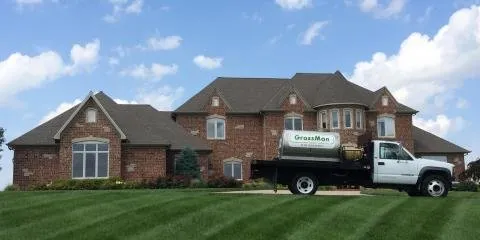
GrassMan Lawn Care is a family-owned and operated business serving Waterloo, IL, and surrounding Monroe and Randolph counties with over 50 years of combined experience. Our team provides comprehensive...
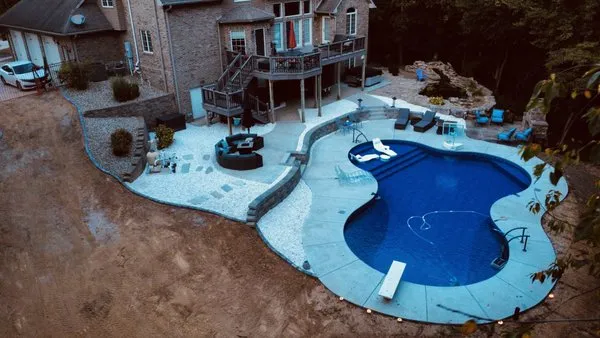
Clean Cut LawnCare & Landscaping is a Waterloo, IL-based landscaping company founded by Kajel Heine. What began as a high school lawn mowing service has grown into a comprehensive outdoor property ser...
Hometown Landscaping is Waterloo's trusted solution for common local lawn issues like moss growth and poor grading. Our team understands the specific soil and climate conditions of the Waterloo area t...
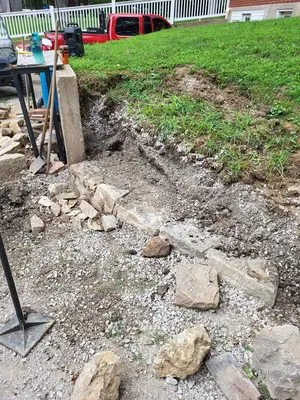
K&S Construction & Lawn Care
K&S Construction & Lawn Care is a Waterloo, IL-based company offering a comprehensive range of property services. From new construction and full remodels to detailed excavation and concrete work, we h...
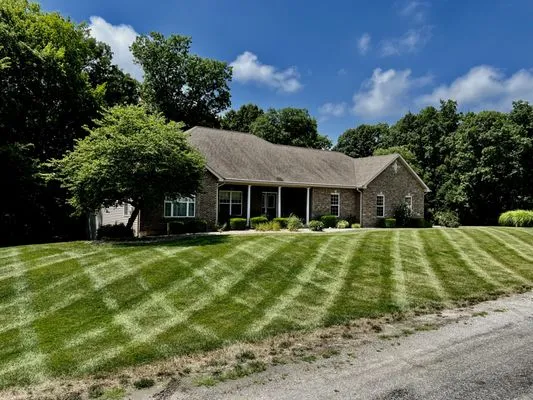
John Wirth, owner of Wirth Lawn Solutions in Waterloo, IL, turned his longtime hobby into a full-time passion in the spring of 2021. He loves getting to know each of his clients while providing profes...
Common Questions
Why is my soil in Downtown Waterloo so compacted, and what can I do about it?
Homes in this neighborhood, built around 1993, have soil that is approximately 33 years old. Construction compaction and decades of standard maintenance have degraded the original topsoil structure. Waterloo's prevalent silt loam is prone to surface sealing, which impedes percolation and root growth. Core aeration in spring or fall, followed by a top-dressing of compost, will reintroduce organic matter and improve permeability for healthier turf and planting beds.
What permits and licenses are needed to regrade my backyard?
Significant earthmoving on a 0.25-acre lot often requires a grading permit from the Waterloo Building and Zoning Department to ensure proper drainage and compliance with erosion control ordinances. The contractor performing this work must hold appropriate licensing through the Illinois Department of Financial and Professional Regulation. This protects you from liability and guarantees the work meets structural and environmental standards, as improper grading can cause foundational issues and neighborhood drainage problems.
My yard has standing water after rain. What's a long-term solution?
Moderate runoff is common here due to the silt loam topsoil over dense clay subsoil. A graded swale or a dry creek bed lined with permeable crushed limestone can effectively channel water. For patios or walkways, specifying concrete pavers set on a permeable base meets Waterloo Building and Zoning Department standards for stormwater management by allowing infiltration. These solutions address the hydraulic conductivity issue without requiring extensive regrading.
How can I keep my Tall Fescue lawn green during summer without wasting water?
Wi-Fi ET-based irrigation controllers are the standard for water conservation in Waterloo. These systems adjust runtime daily based on local evapotranspiration data, weather forecasts, and soil moisture. This prevents overwatering, which is critical given the voluntary conservation status and the clay-heavy subsoil that holds moisture. Programming deep, infrequent watering cycles between 4 AM and 7 AM encourages deeper root growth and maximizes efficiency within municipal guidelines.
Is there a lower-maintenance alternative to my traditional lawn that still looks good?
Transitioning high-traffic turf areas to a matrix of Waterloo natives like Little Bluestem, Purple Coneflower, and Butterfly Milkweed creates a resilient, biodiverse landscape. This xeriscape approach drastically reduces mowing, fertilization, and irrigation demands. It also future-proofs your property against evolving noise ordinances that restrict gas-powered blowers, as these plantings require minimal leaf cleanup and thrive without chemical inputs.
How quickly can you respond to an emergency like storm damage or an HOA violation notice?
For urgent situations requiring immediate site containment and debris removal, our dispatch from the Moore Early Childhood Center area allows for a 20-30 minute arrival during peak hours. We route via IL-3 to access Downtown Waterloo efficiently. Our electric maintenance fleet operates within the local noise ordinance, enabling compliant early morning or late evening response if necessary to secure a property or meet a compliance deadline.
What invasive species should I watch for, and how are they managed?
Japanese knotweed and callery pear are prevalent invasive threats in USDA Zone 6b. Treatment requires precise, systemic herbicide application during the plant's active growth phase, typically outside the restricted dates for phosphorus-based turf fertilizers. Manual removal is often ineffective for established colonies. A licensed professional can implement a safe, targeted Integrated Pest Management plan that eradicates the invader without harming desirable natives or violating local ordinances.
Are concrete pavers or wooden decking better for a new patio?
Concrete pavers offer superior longevity and lower lifetime maintenance compared to wood in Illinois' climate. Their non-combustible nature also contributes to a higher Firewise rating by creating defensible space, a consideration in areas with a moderate wildfire risk advisory. For pathways, crushed limestone is a permeable, cost-effective option that complements native plantings. Both materials provide durable structure without the decay, splintering, or termite risks associated with timber.
