Top Landscaping Services in Washington, IL, 61571 | Compare & Call
There are 217 landscaping companies server in Washington IL
Chop Chop Landscaping provides a full range of landscape construction, maintenance, and tree care services for homeowners in Peoria, IL. Focused on building durable and attractive outdoor spaces, we s...
Tree Preservers Tree Care is a licensed, family-owned business serving Peoria, IL, with over 55 years of experience in tree and shrub care. We specialize in maintaining the health and beauty of your l...
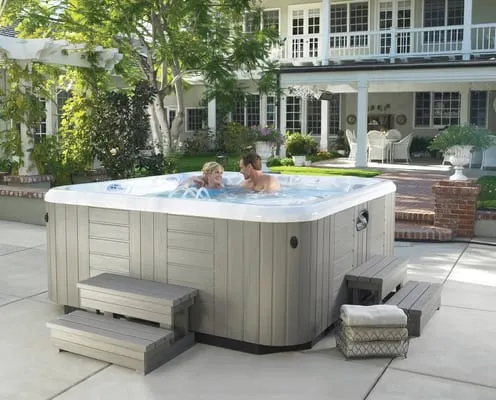
Tiki Pool & Spas in Morton, IL, is owned by Dennis and Barb Flack, who have been dedicated to providing quality outdoor living solutions to Central Illinois for over a decade. Their journey began near...
Mitchell provides reliable lawn care services in Peoria, IL. We specialize in maintaining healthy, beautiful lawns and addressing the common local challenges homeowners face, such as unsightly and dam...
Cruse Lawn and Outdoor Services is a locally owned and operated business in East Peoria, IL, with deep roots in the community. Founded nearly 30 years ago by an East Peoria native who started mowing l...

Lawns R Us is a family-owned landscaping company serving Mapleton, IL, and Central Illinois since 1995. Founded by Dave and Marcia Schillinger, the business began as a side venture and grew into a ful...
Trimline Landscape Management is a trusted local landscaping company serving Peoria, IL, dedicated to maintaining and enhancing outdoor spaces. We specialize in addressing common local issues like dea...

T&D Cleanout Services is your go-to local expert in Peoria for reliable lawn care and snow removal. We understand the unique challenges Peoria homeowners face, from soil compaction that stifles health...

Hamby Construction has been a trusted home services provider in central Illinois for over 25 years, specializing in comprehensive handyman and lawn care solutions for Manito residents. With extensive ...
Joos Lawnscapes, based in East Peoria, IL, has been a trusted local landscaping provider since 2010. Specializing in gardening and landscape maintenance, they offer practical solutions like delivery o...
Estimated Landscaping Service Costs in Washington, IL
FAQs
Are concrete pavers better than wood for Washington's climate?
Concrete pavers and crushed limestone offer superior longevity in Illinois' freeze-thaw cycles, lasting 25+ years versus wood's 10-15 year lifespan. These materials maintain structural integrity without seasonal warping or rot. For fire-wise considerations in low-risk residential zones, non-combustible hardscapes provide defensible space while requiring minimal maintenance. Their permeability also addresses Washington's moderate runoff concerns better than solid concrete surfaces.
Why does my Washington Estates lawn struggle despite regular care?
Washington Estates properties, built around 1978, have 48-year-old soil profiles. Silt loam soil in this area tends to compact over decades, reducing permeability and oxygen availability to root zones. The pH range of 6.5-7.2 indicates adequate mineral balance but doesn't address structural degradation. Core aeration every 2-3 years with compost topdressing rebuilds soil organic matter, improving water infiltration and nutrient cycling for established turf.
What solutions exist for seasonal water pooling in my yard?
Silt loam soils in Washington have moderate permeability, leading to seasonal high water tables and surface runoff. Installing permeable concrete pavers or crushed limestone pathways increases infiltration rates by 40-60%. These materials meet City of Washington Planning and Development runoff standards while directing water away from foundations. French drains or dry creek beds with native stone further manage excess moisture during spring thaw periods.
How can I reduce maintenance while supporting local ecology?
Transitioning high-maintenance turf areas to native plantings like Purple Coneflower, Butterfly Milkweed, Little Bluestem, and Wild Bergamot reduces water needs by 70-80%. These species support pollinator populations while requiring minimal inputs. Electric maintenance equipment operates quietly within noise ordinance hours, eliminating gas-blower emissions. This approach creates resilient landscapes that adapt to changing climate conditions with reduced resource consumption.
Will smart irrigation keep my lawn healthy during dry periods?
Smart Wi-Fi ET-based weather sensing irrigation calculates evapotranspiration rates specific to Washington's microclimate. This system applies water only when Kentucky Bluegrass and Tall Fescue blends require it, typically 1-1.5 inches weekly during active growth periods. With Stage 0 water restrictions currently in place, this technology prevents overwatering while maintaining turf health through precise moisture management at root level.
How quickly can you respond to storm damage for HOA compliance?
Emergency cleanup crews dispatch from Washington Square via US-24, reaching Washington Estates within 20-30 minutes during peak response windows. Our electric maintenance fleet operates within the 7:00 AM to 9:00 PM noise ordinance restrictions. We prioritize safety assessments, debris removal, and temporary stabilization to meet municipal and HOA requirements while preparing for permanent restoration work.
What invasive species threaten Washington landscapes, and how are they managed?
Japanese knotweed and garlic mustard present significant invasive risks in Illinois Zone 5b. Treatment involves targeted herbicide applications during active growth phases, avoiding the Illinois Phosphorus Fertilizer Act restrictions on established lawns. Soil testing determines specific nutrient needs before any phosphorus application. Mechanical removal combined with mycorrhizae-inoculated native plantings creates competitive environments that resist reinfestation while maintaining ecological balance.
What permits and licenses are needed for landscape grading work?
Grading on 0.25-acre Washington lots requires City of Washington Planning and Development permits for any elevation changes exceeding 6 inches. Contractors must hold Illinois Department of Financial and Professional Regulation licensing for earth-moving operations. This ensures proper stormwater management compliance and prevents downstream erosion. Professional licensing verifies training in soil stability principles and local ordinance adherence, particularly important with silt loam's moderate runoff characteristics.
