Top Landscaping Services in Washington Park, IL, 62203 | Compare & Call
There are 71 landscaping companies server in Washington Park IL
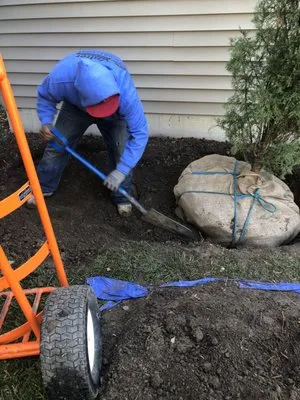
Walter Landscaping LLC is a professional landscaping contractor serving O'Fallon, IL, and surrounding communities like Shiloh, Lebanon, and Belleville. With over 20 years of experience, we provide bot...
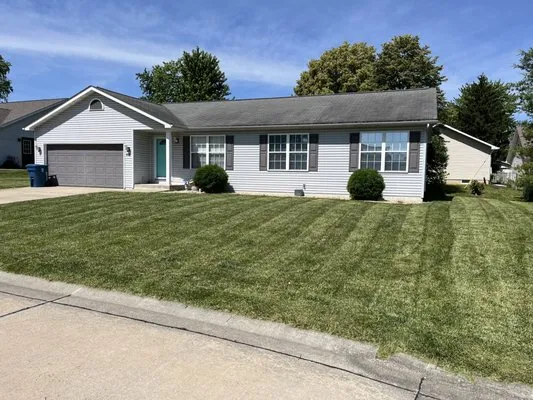
Double A Lawn Care is a trusted lawn service provider serving Belleville, IL, and surrounding areas. Specializing in comprehensive lawn care, we help homeowners achieve and maintain healthy, vibrant l...
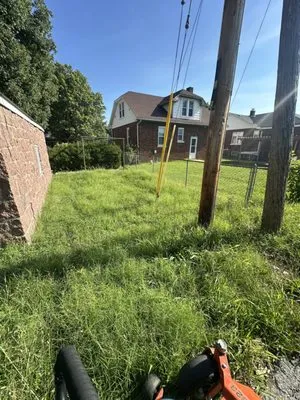
Mark1pro Lawn Service is a trusted local provider in Swansea, IL, specializing in comprehensive lawn care solutions for homeowners. We understand that Swansea residents often face common landscaping c...
Joe's Handyman Services in Pontoon Beach, IL, is a locally owned and operated business that has been serving the community since 2016. With a background in carpentry, roofing, automotive work, and law...
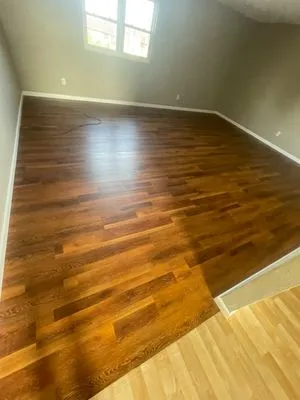
Elser Lawn & Home is a trusted, locally-owned lawn service company serving Freeburg and the surrounding area. Specializing in comprehensive lawn care, they understand the specific challenges homeowner...
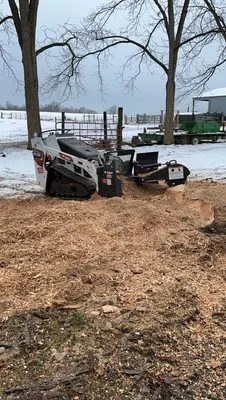
Atop Outdoors is a locally owned and operated business in Waterloo, IL, founded by a lifelong resident who grew up on a farm here. With a strong work ethic developed through 12 years of Catholic schoo...
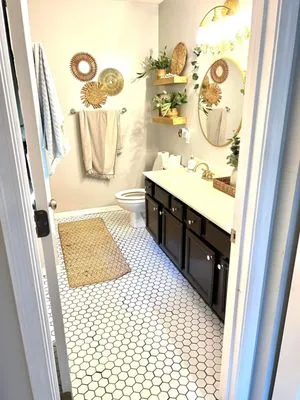
Cornerstone Construction is a family-owned and operated home renovation company serving Waterloo, IL, and the surrounding areas. We specialize in comprehensive indoor and outdoor renovations, includin...
C K N C Lawn Mowing is a locally owned and operated lawn care service in Belleville, IL, dedicated to providing reliable and personalized yard maintenance. We believe that effective communication is t...
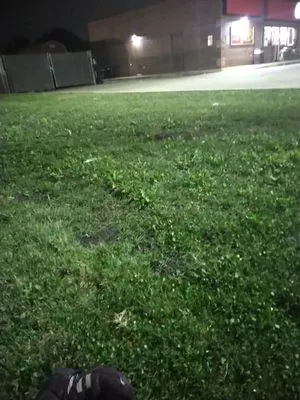
Cloud 9 Nine is a new, family-owned lawn care business proudly serving Granite City. Founded in 2025, our journey began with a long-held family dream. We've worked hard to make that dream a reality, a...
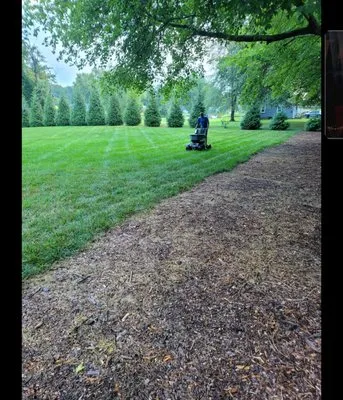
T's Turf & Mole is a locally owned and operated lawn care company serving Godfrey, IL, with over 50 years of combined experience. Their state-licensed technicians use organic-based fertilizers and pro...
Estimated Landscaping Service Costs in Washington Park, IL
Q&A
Why does my Washington Park lawn struggle despite regular care?
Washington Park lots average 61 years of soil development since 1965 construction, creating compacted silt loam with pH 6.5-7.0. Decades of foot traffic and equipment use reduce soil permeability below optimal levels for root growth. Core aeration every 2-3 years combined with organic compost amendments addresses this historical compaction pattern. These interventions improve water infiltration and microbial activity in established residential districts.
What solutions exist for occasional flooding in my yard?
Silt loam soils in Washington Park contain high clay fractions that reduce percolation rates during heavy rain. Permeable concrete pavers or crushed limestone installations increase surface infiltration by 50-80% compared to solid concrete. These materials meet St. Clair County Planning & Zoning Department runoff standards while addressing localized pooling. Strategic grading directs water away from foundations toward designated drainage corridors.
How quickly can you respond to storm damage for HOA compliance?
Emergency cleanup crews dispatch from John DeShields Park via I-64 with 20-30 minute peak response times. This routing prioritizes arterial access to Washington Park Residential District while accounting for traffic variables. We maintain dedicated storm response equipment to address fallen limbs and drainage issues within municipal compliance windows. Rapid debris removal prevents secondary damage to turf and hardscapes.
What permits and licenses are required for landscape grading?
Grading projects on 0.15-acre Washington Park lots require St. Clair County Planning & Zoning Department approval for drainage alterations. Contractors must hold Illinois Department of Financial and Professional Regulation licensing for earth-moving operations exceeding certain volumes. These regulations ensure proper water management and prevent downstream erosion issues. Unlicensed grading risks fines and may void property insurance coverage for water damage.
Are there low-maintenance alternatives to traditional turf grass?
Transitioning high-maintenance areas to native plantings like Purple Coneflower, Little Bluestem, Butterfly Milkweed, and Wild Bergamot reduces water and chemical inputs. These species support local pollinators while requiring minimal mowing or blowing operations. This approach anticipates potential gas-blower restrictions under evolving noise ordinances. Native landscapes establish deeper root systems that improve soil structure over time.
How do I control invasive species without chemical overuse?
Early identification of invasive plants like Japanese knotweed or garlic mustard prevents ecosystem disruption. Manual removal during specific growth stages proves most effective while respecting statewide phosphorus restrictions. Targeted organic treatments applied outside municipal blackout dates minimize environmental impact. Regular monitoring maintains biodiversity without compromising soil microbiology or violating fertilizer ordinances.
Should I worry about water restrictions affecting my lawn?
Washington Park operates under standard conservation guidelines rather than formal restrictions. Wi-Fi ET-based weather sensing controllers automatically adjust irrigation schedules using real-time evapotranspiration data. This technology maintains Tall Fescue health while reducing water use 20-40% compared to traditional timers. The system accounts for rainfall, humidity, and temperature to deliver precise hydration without exceeding municipal water expectations.
Which hardscape materials last longest in our climate?
Concrete pavers and crushed limestone outperform wood in longevity, resisting frost heave and moisture damage common in Zone 6b. These materials maintain structural integrity for 25+ years with minimal maintenance. Their non-combustible nature supports defensible space principles despite Washington Park's low fire-wise rating. Proper installation with geotextile barriers prevents weed intrusion and substrate migration.
