Top Landscaping Services in Warrenville, IL, 60185 | Compare & Call

There are 181 landscaping companies server in Warrenville IL
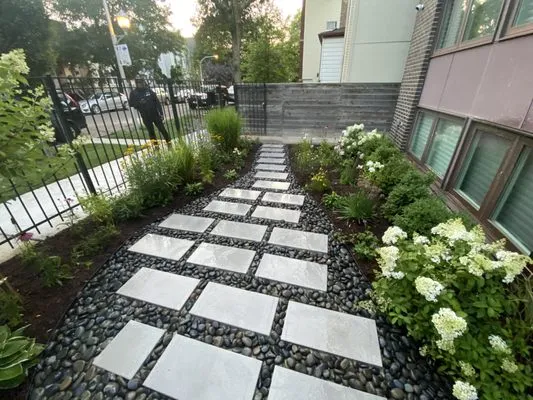
Dante's Native Landscape Services is a full-service landscaping and hardscaping company serving the greater Chicago area. We specialize in native landscaping, using plants naturally adapted to the Mid...
Rafael Landscaping is a full-service landscaping company serving Chicago and the surrounding areas. Owned and operated by Rafael, the business is built on providing reliable, quality work at a fair pr...
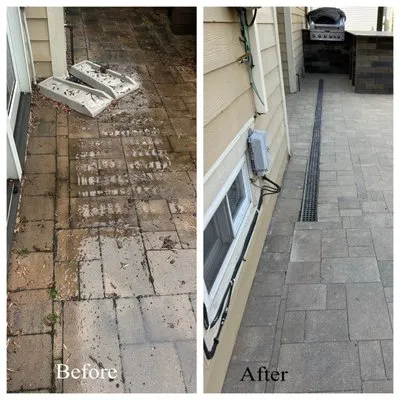
Julio's Services is a family-owned landscaping and snow removal company serving Warrenville, IL, and surrounding areas since 2006. We specialize in comprehensive yard solutions, from earthmoving and r...
Cande Native Landscape is a Burbank-based lawn and snow removal service with over 25 years of experience specializing in native landscapes. We focus on sustainable practices like using native plants t...
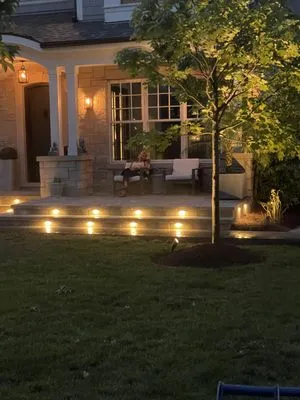
Manuel Brick Paving & Landscaping is a family-owned business that has been enhancing outdoor living in Waukegan and the North Shore since 2005. With over three decades of combined experience, we speci...
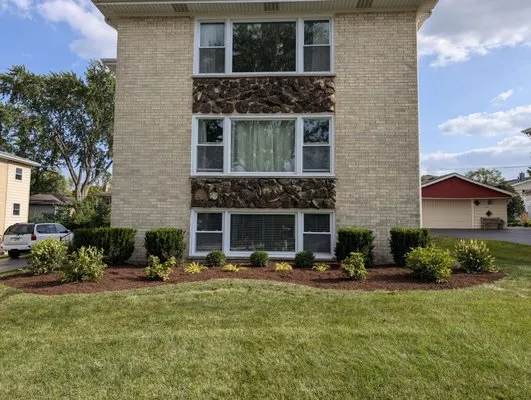
1st Impressions
1st Impressions Landscaping has been enhancing outdoor spaces in Downers Grove and the Western Suburbs since 1992. As a lifelong resident of the area, the owner understands the specific needs of local...
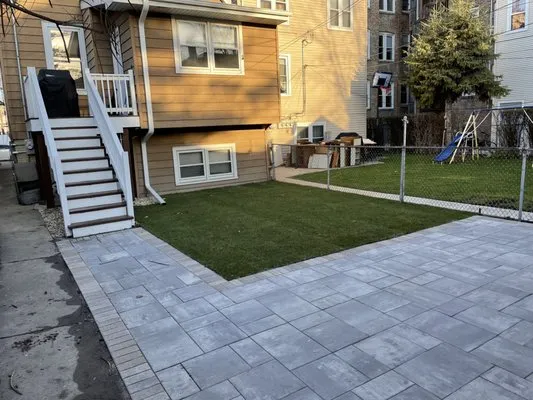
R.A.M. Landscape & Patio Design is a family-owned and operated landscaping business serving Chicago with over 15 years of experience. We specialize in transforming outdoor spaces through comprehensive...
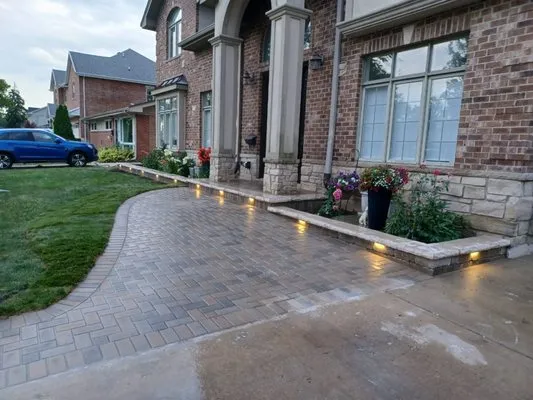
Unikstone Hardscape is a Chicago-based, full-service landscaping and masonry contractor dedicated to transforming outdoor spaces with skill and precision. We specialize in creating durable, beautiful ...
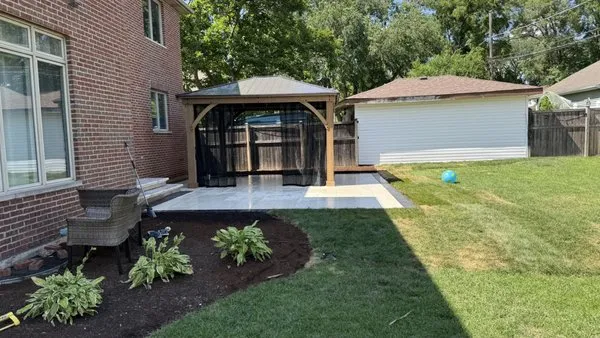
Madrid's Landscaping is a licensed, full-service landscaping company serving Lombard, IL, and the surrounding 20-mile area. We specialize in comprehensive landscape design, construction, and maintenan...
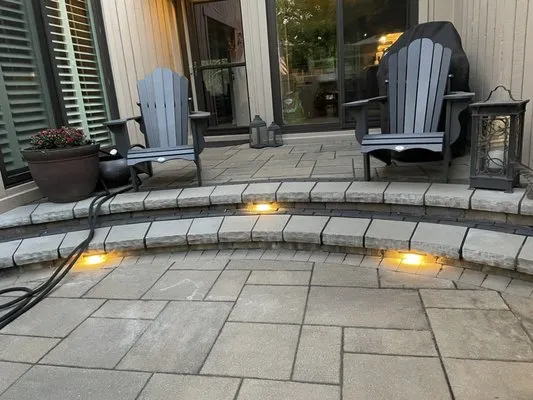
Ringers Landscape Services
Founded by local Crystal Lake native Erik Ringstrand, Ringers Landscape Services began as a dedicated passion project and has grown into a trusted, licensed, and insured contractor serving the Chicago...
Estimated Landscaping Service Costs in Warrenville, IL
Question Answers
What invasive species should I watch for, and how do I treat them safely?
Common invasive alerts for Zone 5b include garlic mustard and buckthorn. Manual removal is effective for small infestations. For chemical control, always use a phosphorus-free herbicide as required by Illinois law, and apply during the plant's active growth phase. Avoid treatment during blackout dates for sensitive species and never apply near riparian zones to protect water quality.
Are concrete pavers a better choice than wood for a new patio?
For longevity and low maintenance in our climate, concrete pavers outperform wood. They are impervious to rot, insect damage, and the freeze-thaw cycles of Zone 5b. Their modular nature also allows for better permeability than solid concrete. While Warrenville has a low Fire Wise rating, using non-combustible materials like pavers or crushed limestone still contributes to defensible space and reduces fuel for any incidental fires.
My yard near a riparian zone stays soggy for days. What's a permanent solution?
Poor infiltration and a high water table are common with Drummer soil in low-lying areas. Solving this requires improving subsurface drainage. Installing French drains or dry wells can intercept groundwater. For new hardscapes, using permeable concrete pavers or an open-graded crushed limestone base increases infiltration, helping projects meet Warrenville Community Development Department stormwater runoff standards.
How quickly can a crew arrive for an emergency cleanup after a major storm?
For an emergency HOA compliance or storm cleanup, a crew can typically be dispatched from our staging area near Albright Park. Using I-88 for access, the estimated travel time to most Warrenville addresses is 20-30 minutes during peak response windows. This allows for rapid deployment to address downed limbs or debris that violate local maintenance ordinances.
Why does my lawn in Old Town Warrenville have such dense, heavy soil that water just sits on top?
Homes built around 1979, like many in this neighborhood, have soil that has matured for nearly 50 years. This has compressed the native Drummer Silty Clay Loam, a Mollisol, reducing its permeability. The dense structure inhibits root growth and water infiltration. Annual core aeration and top-dressing with compost are essential to rebuild organic matter and improve soil structure for long-term health.
Why do I need a licensed contractor for regrading my 0.35-acre lot?
Significant grading alters water runoff patterns, impacting neighboring properties and municipal systems. The Warrenville Community Development Department requires permits for such work to ensure compliance with drainage codes. Furthermore, contractors must hold appropriate licensing through the Illinois Department of Financial and Professional Regulation, which guarantees they carry the required insurance and adhere to state excavation and environmental protection standards.
How do I keep my Kentucky Bluegrass lawn green during summer without wasting water?
Under Warrenville's Stage 1 water restrictions, efficient irrigation is mandated. Smart Wi-Fi controllers using ET-based weather sensing are the standard. These systems automatically adjust watering schedules based on real-time evapotranspiration data, applying water only when the turfgrass blend actually needs it. This technology prevents overwatering, conserves municipal resources, and maintains turf health within legal limits.
What are the benefits of replacing some lawn with native plants?
Transitioning high-maintenance turf to a planting of Purple Coneflower, Little Bluestem, and Prairie Dropseed reduces water, mowing, and chemical inputs. This xeriscaping approach builds drought resilience and supports local pollinators. It also future-proofs your property against evolving noise ordinances that may further restrict gas-powered blower and mower use, shifting maintenance to quieter, electric methods.
