Top Landscaping Services in Wadsworth, IL, 60031 | Compare & Call

There are 179 landscaping companies server in Wadsworth IL
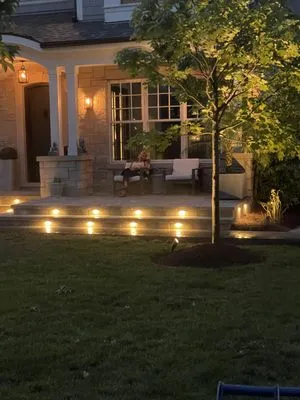
Manuel Brick Paving & Landscaping is a family-owned business that has been enhancing outdoor living in Waukegan and the North Shore since 2005. With over three decades of combined experience, we speci...
Turf Guys Inc. has been serving Lake Zurich, IL, since 1989, providing reliable lawn care, pest control, and tree services. With over 30 years of expertise, owner Paul leads a team of certified techni...
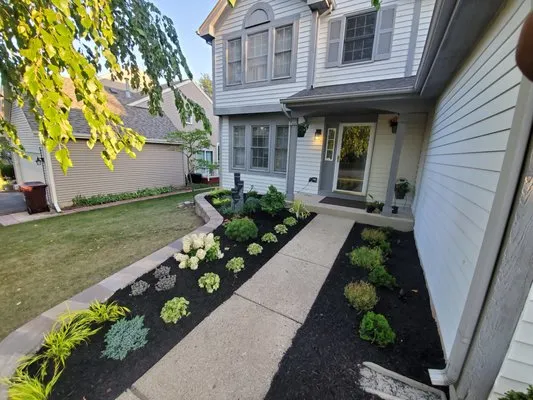
Valencia Landscapes
Valencia Landscapes is a family-owned and operated landscaping company serving Mundelein and the surrounding areas. With over 35 years of combined experience passed through generations, we blend time-...
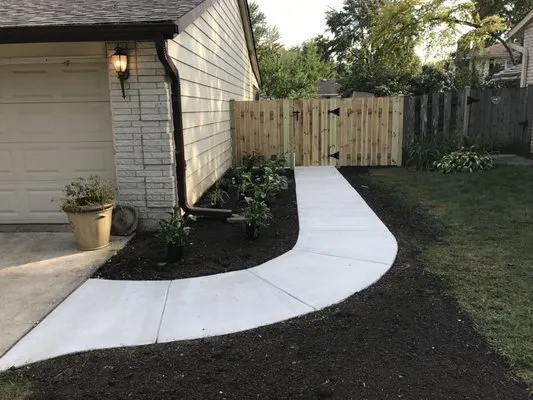
Adrian's Landscape has been a trusted part of the Mundelein community for over 15 years, providing comprehensive landscaping, masonry, and tree care services. Our approach combines practical expertise...
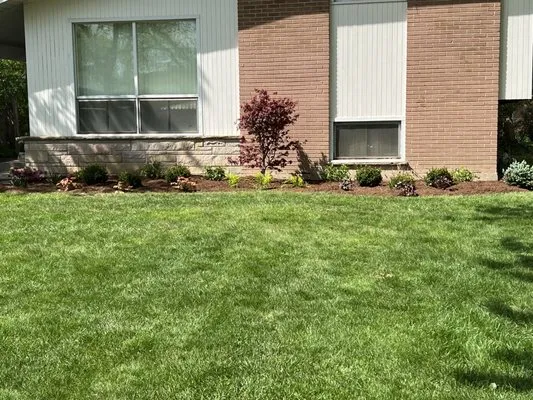
EM Landscaping is a full-service landscaping company serving Waukegan, IL, specializing in both residential and commercial projects. We offer comprehensive solutions including landscape design, constr...

Mariani Landscape is a family-owned landscaping company serving Lake Bluff and the greater Chicagoland area since 1958. Founded by Vito Mariani, an Italian immigrant who started with garden maintenanc...
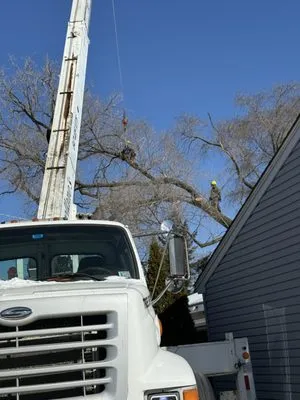
Neighbor Tree Service is a trusted, locally-owned tree care company serving Palatine and surrounding communities for over 25 years. As a licensed and certified arborist service, we specialize in compr...
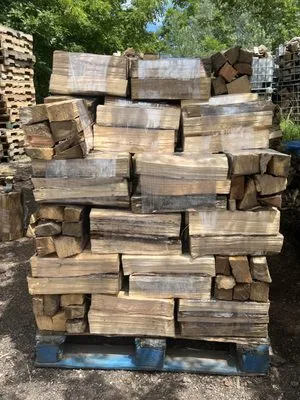
Original Tony's Landscaping & Firewood
Founded in 1998, Original Tony's Landscaping & Firewood is a family-owned business built on reliable, personalized service for Wadsworth, IL, and the surrounding Lake, Cook, DuPage, and McHenry counti...
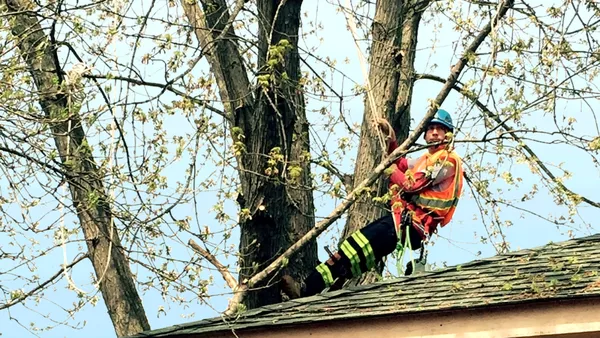
Adolfo Tree Services is a family-owned and operated business serving Carpentersville and the greater Chicagoland area since 2015. Founded by Alma and Adolfo Arriola, the company began with dedication ...
Essential Landscape is a full-service landscaping company serving Beach Park, IL, specializing in both landscaping and snow removal. We help homeowners tackle common local issues like patchy grass law...
Estimated Landscaping Service Costs in Wadsworth, IL
Frequently Asked Questions
We're tired of weekly mowing and gas blower noise. What are quieter, lower-maintenance landscape options?
Transitioning to a native plant community is the definitive solution. Species like Little Bluestem, Purple Coneflower, and Prairie Dropseed are adapted to Wadsworth's Zone 5b climate and clay soils, requiring no irrigation once established and no regular mowing. This biodiverse planting strategy eliminates reliance on gas-powered blowers and mowers, future-proofing your property against tightening noise ordinances. It also provides critical habitat, aligning with 2026 biodiversity standards for the Wadsworth Savanna corridor.
Our lawn struggles to drain after rain. Is this a common issue for homes built around 1990 in Wadsworth Estates?
This is a direct consequence of soil maturity and compaction. Homes built in the 1990s, like many in Wadsworth Estates, have soils that have undergone 35+ years of settling and traffic. The prevalent Drummer Silty Clay Loam has naturally poor permeability, and decades of standard maintenance have compacted it further, reducing pore space for water and air. This creates the high water table and poor infiltration you experience. The primary solution is not more water, but core aeration and the incorporation of compost to rebuild soil structure and increase percolation rates.
A major storm has downed limbs across our property. How quickly can a crew respond for emergency cleanup to meet HOA compliance deadlines?
For urgent storm response in Wadsworth Estates, our standard dispatch time is 45-60 minutes during peak events. The routing is efficient: crews stage from the Wadsworth Savanna Forest Preserve area and take US-41 directly into the neighborhood. This allows for rapid assessment and initial debris management to mitigate safety hazards and address most common HOA violation notices. We prioritize making the site safe and clear for access, with follow-up visits for fine debris and soil remediation if necessary.
Our backyard becomes a soggy mess every spring. What are the best drainage solutions for our heavy clay soil?
Poor infiltration in Drummer Silty Clay Loam requires a multi-tiered approach. First, address the surface: regrade to direct water away from foundations and use permeable materials like crushed limestone for paths to increase onsite absorption. For chronic pooling, subsurface solutions like dry wells or French drains are necessary to intercept the seasonal high water table. All significant grading and drainage work must be reviewed by Lake County Planning, Building and Development to ensure it meets current stormwater runoff standards and does not adversely affect neighboring properties.
We want to regrade a large, muddy section of our 1.5-acre lot. What permits and contractor qualifications are required?
Significant earthmoving on a lot of this size triggers specific regulatory oversight. The Lake County Planning, Building and Development department will require a grading permit to ensure changes do not create erosion or drainage issues for others. The contractor must hold appropriate licensing through the Illinois Department of Financial and Professional Regulation. For work affecting drainage patterns or stormwater management, specialty licensing beyond a basic landscaping license is often required. Always verify both the permit and the contractor's specific license classification before work begins.
We're adding a patio. Are concrete pavers a better long-term choice than wood decking for our area?
In Wadsworth's climate and soil conditions, concrete pavers offer superior longevity and lower lifecycle maintenance. Unlike wood, they are not susceptible to rot from the persistent soil moisture common with our clay loam and high water table. Pavers also provide a stable, non-combustible surface. This contributes to a defensible space, a prudent consideration even with our current Low Fire Wise rating, as it mitigates risk at the urban-wildland interface near forest preserves. Properly installed with a permeable base, they also aid in managing site drainage.
With Stage 1 water conservation in effect, how do we keep our Kentucky Bluegrass lawn healthy without overwatering?
Effective irrigation under voluntary conservation hinges on precision, not volume. We program Wi-Fi ET-based controllers using local evapotranspiration data, so the system automatically adjusts runtime based on daily weather, not a fixed schedule. Integrating soil moisture sensors prevents irrigation cycles when the Drummer clay loam is already wet. This strategy delivers water only when and where the turfgrass root zone needs it, maintaining the Bluegrass/Fescue mix while reducing total potable water use by 20-30%, well within municipal guidelines.
We've spotted what looks like invasive buckthorn. How should we handle it without harming our garden?
Early identification and control are critical for invasive species like buckthorn or garlic mustard. Manual removal is effective for small infestations; ensure the entire root system is extracted. For larger stands, a targeted, cut-stump herbicide application in late summer or fall is most effective. Any chemical treatment must be performed by a professional licensed under the Illinois Lawn Care Products Application and Notice Act. This law strictly prohibits phosphorus-containing fertilizers and mandates proper application protocols to protect local groundwater, especially given our area's high water table.
