Top Landscaping Services in Volo, IL, 60020 | Compare & Call
There are 188 landscaping companies server in Volo IL
Northwest Landscape Contractor has been serving Cary, IL, and surrounding Lake and McHenry County communities since 1987. As a family-owned and operated business with over 30 years of experience, we s...
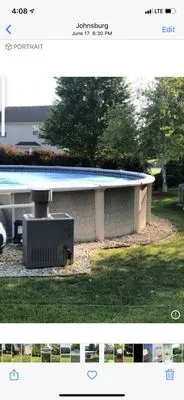
Roos Lawn Care is a locally owned and operated lawn service dedicated to the residents of Johnsburg and its neighboring communities. We provide consistent, reliable care through a range of services, i...
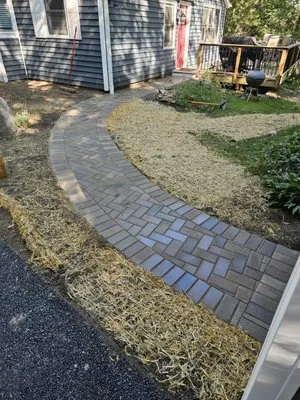
General Landscaping Services
General Landscaping Services in Harvard, IL is a premier landscaping and lawn care company serving McHenry, Walworth, and Rock County for over 7 years. Licensed and insured, we specialize in both soft...
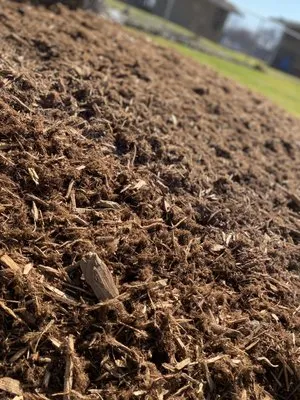
M&C Landscaping & Tree Service is a family-owned and operated business serving McHenry and the greater Chicagoland area. Founded on a personal connection—our first client was a newcomer to the area se...

Glen's Lawn Service is a family-owned and operated business that has been serving McHenry County since 1993. Founded by Glen Gilmer Sr., who brings decades of experience from maintaining North Shore e...
Trojan Landscaping is a Cary-based landscaping company founded by local professionals who began their journey in high school and have built six years of hands-on experience. We specialize in transform...

Green-Go Lawn Care is a dedicated lawn service provider based in Woodstock, IL, helping local homeowners achieve healthier, more resilient yards. We understand the common challenges in our area, such ...
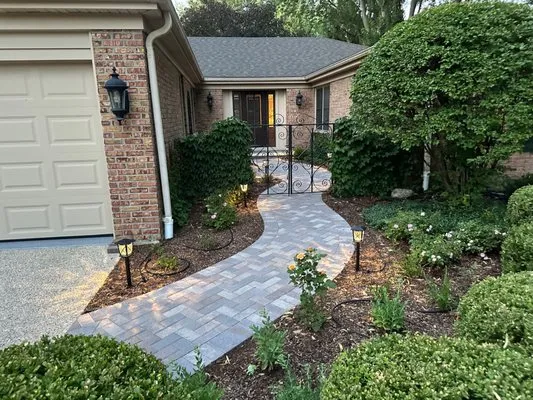
For over three decades, Sheetz Landscaping has been transforming outdoor spaces in Harvard and across Northern Illinois. Founded by Steve Sheetz in 1987, this locally owned and operated business stand...

Maya Lawn Landscaping Corp. has been Harvard's trusted landscaping partner since 2005, serving McHenry County and surrounding areas. As a locally owned and operated business, we specialize in comprehe...
JGH Landscaping is an Ingleside-based lawn care company founded on years of hands-on experience. Owner and operator James started in the landscaping industry in 2015, working for a local company befor...
Estimated Landscaping Service Costs in Volo, IL
FAQs
Why does my Volo Village Center lawn struggle despite regular care?
Volo's 2007-built homes sit on 19-year-old soil profiles where Drummer Silty Clay Loam has become compacted from construction and routine maintenance. This Mollisol soil, while naturally fertile with pH 6.8-7.2, develops poor permeability over time, restricting root growth and water infiltration. Core aeration every 2-3 years combined with organic amendments like composted leaf mulch addresses this compaction. The Volo Bog State Natural Area's influence creates micro-climate conditions where soil moisture retention varies, making tailored soil testing essential for optimal turf health.
Are concrete pavers better than wood for patio longevity in Volo?
Concrete pavers offer superior durability with 25+ year lifespans versus wood's 10-15 years in Zone 5b freeze-thaw cycles. Their non-combustible nature supports Volo's low Fire Wise rating by creating defensible space without fuel sources near structures. Interlocking paver systems accommodate soil movement better than poured concrete, crucial for Drummer Silty Clay Loam's expansion properties. Crushed limestone pathways provide permeable surfaces that reduce heat island effect while complementing native plantings, requiring only occasional leveling versus wood's regular sealing and replacement.
What permits and licenses are needed for regrading my 0.25-acre lot?
Grading alterations exceeding 50 cubic yards require a Volo Village Building and Zoning Department permit with engineered drainage plans. Contractors must hold Illinois Department of Financial and Professional Regulation licensing for landscape construction when modifying water flow patterns or installing retention systems. The 0.25-acre property size triggers specific erosion control measures during work, including silt fencing and stabilization timelines. Professionals carrying general liability insurance and workers' compensation coverage are mandatory for projects affecting property lines or stormwater management systems in Volo Village Center.
How quickly can you respond to storm damage for HOA compliance?
Emergency cleanup crews dispatch from the Volo Bog State Natural Area area via US-12, reaching Volo Village Center properties within 45-60 minutes during peak response windows. This routing prioritizes major arterial access while accounting for typical suburban traffic patterns. Crews carry electric chainsaws and battery-powered blowers to comply with Volo's 10:00 PM to 7:00 AM noise ordinance while addressing fallen branches and debris. Documentation for HOA compliance includes timestamped arrival photos and detailed work descriptions meeting common covenant requirements.
How do I manage invasive species without violating fertilizer regulations?
Common Volo invaders like garlic mustard and buckthorn require mechanical removal before seed set in early spring, followed by targeted organic treatments. The Illinois Lawn Care Products Application and Notice Act restricts phosphorus applications and requires professional licensing for certain herbicides. For turf areas, corn gluten meal applied in April provides pre-emergent weed control while adding nitrogen, avoiding blackout dates for chemical applications. Regular monitoring near the Volo Bog State Natural Area is crucial as natural areas can seed invasives into adjacent landscapes.
What are alternatives to constant mowing and blowing maintenance?
Transitioning high-maintenance turf areas to native plantings reduces mowing frequency while supporting 2026 biodiversity standards. Purple Coneflower, Little Bluestem, and Prairie Dropseed establish deep root systems that require no irrigation once established and thrive in Zone 5b conditions. These plantings eliminate gas-powered blower use, aligning with Volo's expanding noise ordinance considerations for residential areas. Native landscapes also support pollinator habitats and sequester more carbon than traditional lawns, with Wild Bergamot providing seasonal interest from July through September.
What solutions exist for standing water in my yard's low spots?
Drummer Silty Clay Loam's slow permeability combined with Volo's high water table creates depressional drainage issues. Installing French drains with clean gravel and perforated pipe redirects subsurface water, while grading adjustments of 2% slope direct surface flow away from foundations. Permeable concrete pavers or crushed limestone hardscapes meet Volo Village Building and Zoning Department runoff standards by allowing 4-8 inches per hour infiltration. For severe cases, dry wells or rain gardens with Swamp Milkweed provide biological drainage while managing stormwater volume.
How do I maintain my Kentucky Bluegrass blend during Stage 1 water restrictions?
Smart Wi-Fi controllers with soil moisture sensors optimize irrigation by using evapotranspiration data and real-time soil conditions. These systems apply water only when the root zone moisture drops below optimal levels, typically reducing usage 20-30% while preserving turf health. Programming follows Volo's voluntary conservation guidelines by avoiding midday watering and implementing cycle-soak methods for clay loam soils. The technology automatically adjusts for rainfall and seasonal changes, ensuring Kentucky Bluegrass and Tall Fescue receive 1-1.5 inches weekly without exceeding municipal water limits.
