Top Landscaping Services in Villa Park, IL, 60126 | Compare & Call
There are 199 landscaping companies server in Villa Park IL
Contour Landscaping
Contour Landscaping has been serving Skokie and the Greater Chicagoland area since 1976, founded by local resident Scott who turned his childhood passion for outdoor work into a professional landscape...
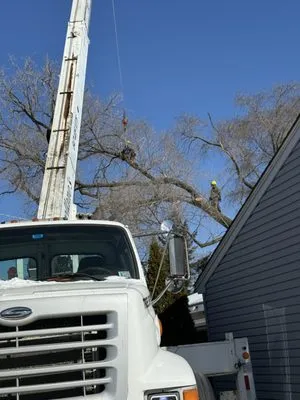
Neighbor Tree Service is a trusted, locally-owned tree care company serving Palatine and surrounding communities for over 25 years. As a licensed and certified arborist service, we specialize in compr...
Jrks Remodeling N Landscaping
Jrks Remodeling N Landscaping has been a trusted local contractor in Forest Park, IL, for over 12 years, specializing in general contracting, landscaping, and tree services. We help homeowners in Fore...
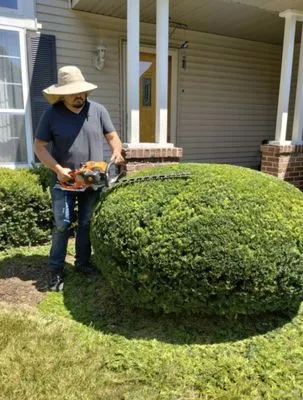
Brothers Landscape is a West Chicago-based landscaping company serving local homeowners with comprehensive outdoor solutions. We specialize in addressing common local issues like yard drainage problem...
Certified VIP Landscaping
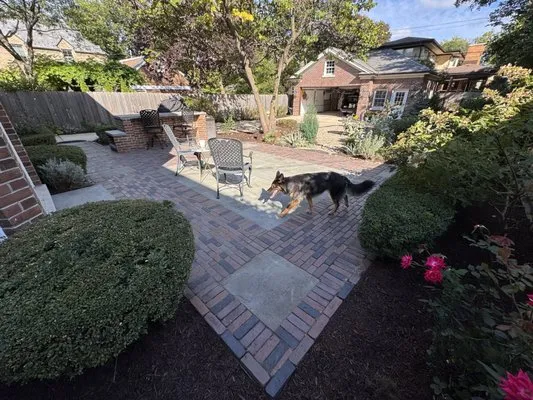
Certified VIP Landscaping is a locally owned and operated landscaping company serving Elmwood Park and surrounding communities for over 25 years. Their team of Certified Landscape Technicians, license...
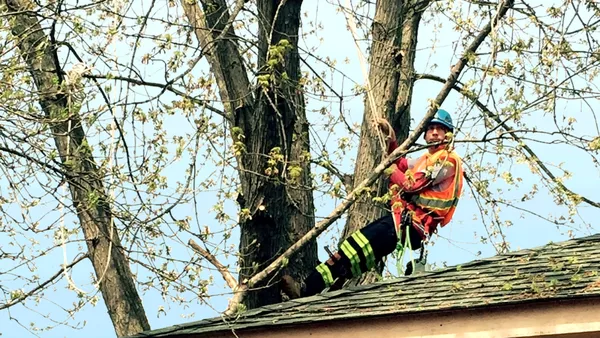
Adolfo Tree Services is a family-owned and operated business serving Carpentersville and the greater Chicagoland area since 2015. Founded by Alma and Adolfo Arriola, the company began with dedication ...
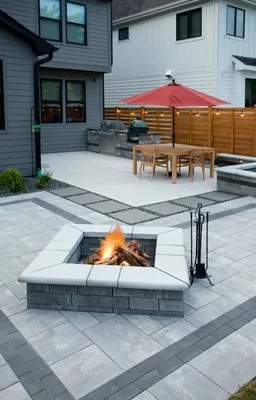
Selvin's Landscaping is a licensed, locally owned and operated company serving the landscaping, hardscaping, and snow removal needs of Addison, IL, and surrounding DuPage and western Cook County commu...
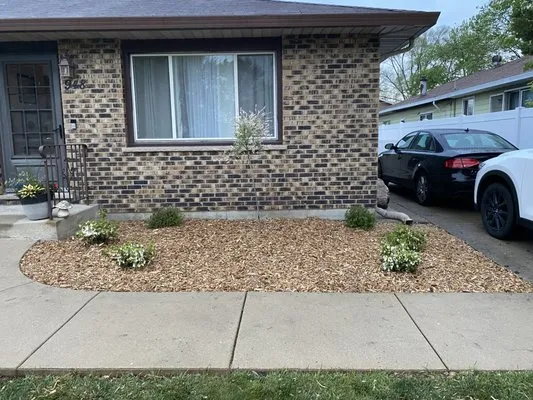
JDP Landscaping is a full-service landscaping company serving Addison, IL, specializing in comprehensive solutions for residential and commercial properties. With expertise in landscape design, constr...
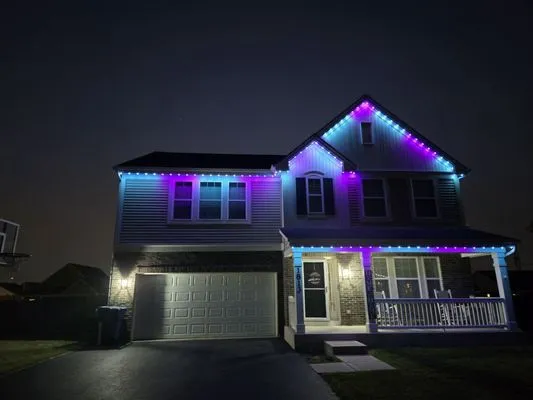
Revive Your Lawn is a McCook-based exterior service company founded in 2003, specializing in comprehensive outdoor property care. We started with snow removal for friends and neighbors and have grown ...
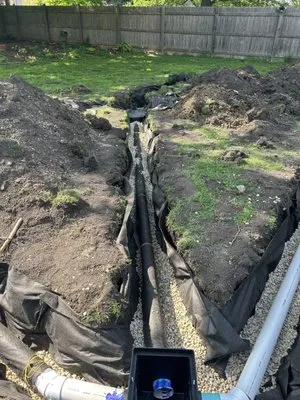
MG Landscape in Westmont, IL, is a local landscaping company dedicated to transforming outdoor spaces with expertise and reliability. Specializing in landscape design, irrigation systems, lawn care, a...
Estimated Landscaping Service Costs in Villa Park, IL
Question Answers
We're adding a patio. Are clay brick pavers a better long-term choice than wood decking here?
For longevity and low maintenance in Villa Park's climate, clay brick pavers and limestone are superior to wood. They are impervious to rot, freeze-thaw cycles, and insect damage. From a Firewise perspective, these non-combustible materials create critical defensible space adjacent to the home. Their durability and permeability also make them a compliant choice for managing runoff on clay soil sites.
We need significant regrading. What permits and contractor qualifications are required for our 0.22-acre lot?
Altering drainage patterns on a property this size typically requires a grading permit from the Villa Park Community Development Department. The contractor must hold an appropriate license from the Illinois Department of Financial and Professional Regulation. This ensures they carry the required insurance and understand state laws regarding soil erosion control and adherence to the local fertilizer and pesticide application act, protecting you from liability.
Water pools near our foundation every spring. What solutions work with our heavy clay soil?
Seasonal ponding in low areas is a direct result of the low permeability of Drummer clay. Solutions include installing French drains to intercept subsurface water and regrading to create positive slope away from the foundation. For new hardscapes, specifying permeable clay brick pavers or dry-set limestone can increase infiltration, often helping projects meet Villa Park Community Development Department stormwater runoff requirements.
Our lawn seems thin and struggles after heavy rain. Is this normal for a Villa Park Gardens home built in the 1960s?
This is a predictable outcome of the Drummer Silty Clay Loam soil common in this neighborhood. Homes built around 1958 mean the topsoil has been compacted by decades of foot traffic and maintenance. This clay-dominant Mollisol has excellent fertility but poor permeability, leading to seasonal ponding and oxygen-starved roots. Core aeration every fall and top-dressing with compost are critical to rebuild soil structure and improve water infiltration for healthy turf.
A storm brought down a large limb. What is your typical emergency response time for HOA compliance cleanup?
Our peak storm response protocol is 20-30 minutes for Villa Park Gardens. The dispatch route from the Villa Park Metra Station uses I-290 for rapid access. We coordinate with the Villa Park Public Works Department for debris staging if needed. Our electric fleet complies with the local noise ordinance, allowing for early morning starts if required to meet urgent HOA deadlines.
How can I keep my Kentucky Bluegrass lawn healthy during summer while following water conservation guidelines?
A properly calibrated, Wi-Fi ET-based irrigation controller is essential. It uses local weather data to apply water only when evapotranspiration demands it, avoiding the overwatering that clay soil cannot absorb. This system can maintain your cool-season grass mix while operating within Villa Park's Stage 0 voluntary conservation standards. Deep, infrequent watering cycles encourage deeper root growth, improving drought resilience.
I've spotted what looks like creeping Charlie and garlic mustard. How should I handle these invasives?
Correct identification is key, as treatment windows differ. For creeping Charlie in turf, a fall-applied broadleaf herbicide is most effective. For garlic mustard, manual removal before seed set is crucial. All applications must comply with the Illinois Lawn Care Products Application and Notice Act, which restricts phosphorus and mandates proper notice. We adhere to local blackout dates and use targeted, soil-health-conscious methods to suppress invasives without harming your Mollisols.
I want to reduce mowing and gas equipment noise. What are lower-maintenance alternatives to grass?
Transitioning areas to a native plant community using species like Purple Coneflower, Little Bluestem, and Prairie Dropseed eliminates weekly mowing. These deep-rooted perennials thrive in Zone 5b clay, require no fertilizer, and support local pollinators. This shift aligns with evolving noise ordinances restricting gas-powered equipment and reduces water consumption, creating a resilient, biodiverse landscape.
