Top Landscaping Services in Vernon Hills, IL, 60048 | Compare & Call
There are 186 landscaping companies server in Vernon Hills IL
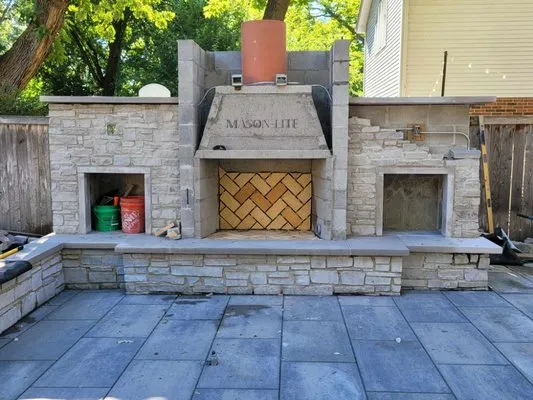
Gonzalez F Landscaping is a trusted, full-service landscaping company serving Mundelein, IL, and the surrounding areas. We specialize in snow removal, tree services, and comprehensive landscaping solu...
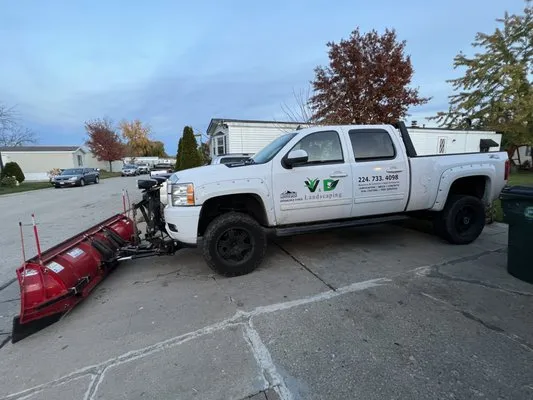
V&D Landscaping is a Zion-based company founded in 2017 by Victor Carreno, who started the business at age 18 seeking a meaningful career path. Beginning with basic landscaping, Victor expanded into h...
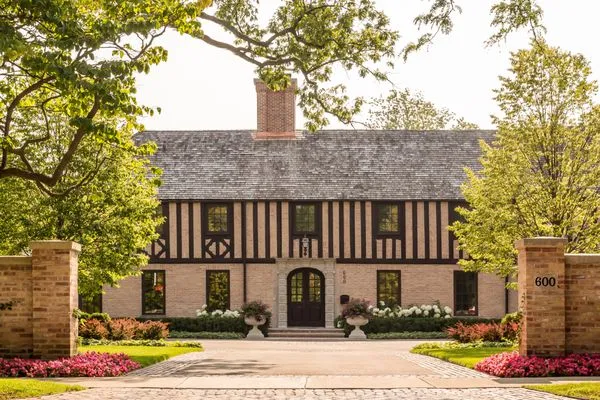
Greenhaven Landscapes has been enhancing Zion properties since 2003 with a focus on creating personalized outdoor environments. Founded by David Hoxsie, a degreed horticulturalist and certified landsc...
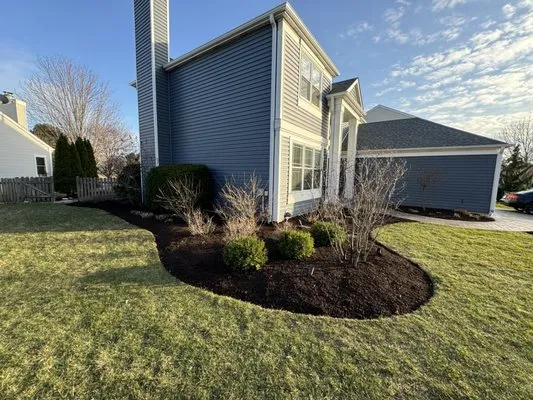
Prime Peak Landscape Design
Prime Peak Landscape Design is a professional, fully insured landscape design, build, and maintenance company serving Round Lake Heights, IL, with over 10 years of experience. We specialize in creatin...
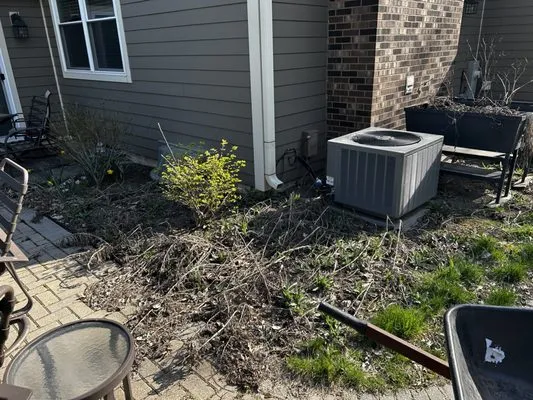
At Eloiza Landscaping, our work is driven by a passion for creativity and the deep satisfaction of transforming outdoor spaces into vibrant, living environments for our neighbors in Lake County. We sp...

Since 1990, TGF Enterprises has been a cornerstone of the Libertyville community, providing reliable and professional landscaping, irrigation, and snow removal services. As a licensed and fully insure...
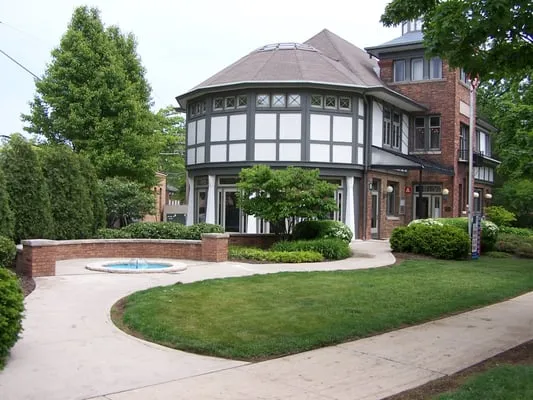
Wendt Landscaping is a family-run business deeply rooted in Lake Bluff. Founded in 1997 by Patty and Dale Wendt, the company is now operated by their son Andy and his wife Paola, continuing a legacy o...
Chico's Lawn Service is a trusted, full-service landscaping company serving Mundelein and the surrounding areas. We specialize in creating and maintaining healthy, beautiful outdoor spaces that enhanc...

Ramon's Landscaping began over a decade ago as a local side project in Mundelein. With strong community support, we've grown to serve Mundelein, Vernon Hills, Buffalo Grove, Libertyville, and the Gray...
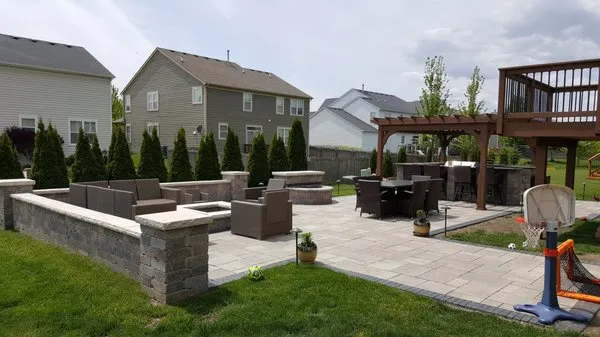
Stepanek Landscaping
Stepanek Landscaping has been transforming outdoor spaces in Wauconda and across northern Illinois since 1986. With over three decades of experience, we specialize in comprehensive landscape design an...
Estimated Landscaping Service Costs in Vernon Hills, IL
FAQs
My yard stays soggy for days after rain. What's the solution?
Persistent sogginess indicates the high seasonal water table interacting with the poorly infiltrating Drummer Silty Clay Loam. Correcting this requires subsurface solutions like French drains or dry wells to intercept groundwater. For surface improvements, replacing solid concrete with permeable pavers and using open-graded crushed limestone for paths increases permeability, helps manage runoff, and can assist in meeting Village of Vernon Hills Community Development Department stormwater standards.
A storm brought down a large branch. How fast can you respond for HOA compliance?
Emergency cleanup crews can typically dispatch within the hour for safety hazards. From our staging near Century Park, the route via IL-21 (Milwaukee Ave) to the Greentree area allows for a 20-30 minute arrival during peak traffic. We coordinate with electric maintenance fleets to comply with the 7 AM to 9 PM residential noise ordinance while securing the site and processing debris for immediate HOA compliance.
Are concrete pavers a better long-term choice than wood for a new patio?
For longevity and low maintenance in Vernon Hills's climate, concrete pavers are superior to wood. They are unaffected by freeze-thaw cycles when installed with a proper base, do not rot, and require no sealing or staining. Their non-combustible nature also contributes to defensible space, which is a consideration even in our Low Fire Wise rating zone. Crushed limestone offers a permeable, natural alternative for pathways.
I'm tired of weekly mowing and gas blower noise. Are there lower-maintenance options?
Yes, transitioning high-input turf to a climate-adaptive xeriscape with native plants is a strategic solution. Species like Purple Coneflower, Little Bluestem, and Wild Bergamot are evolved for Zone 5b, requiring no fertilization, minimal water once established, and no weekly mowing. This reduces dependency on gas-powered equipment, aligning with evolving noise ordinances and preparing your landscape for 2026 biodiversity and resilience standards.
How can I keep my Kentucky Bluegrass green during voluntary water restrictions?
Stage 1 voluntary conservation in Vernon Hills necessitates precision watering. Smart Wi-Fi controllers integrated with soil moisture sensors are critical; they schedule irrigation based on real-time evapotranspiration (ET) data and actual soil conditions. This system prevents overwatering, which is especially damaging to Tall Fescue blends in dense clay soils, and ensures every gallon applied is used efficiently to maintain turf health within municipal guidelines.
My lawn has never been great, even with fertilizer. Is it the soil?
In Vernon Hills's Greentree neighborhood, homes built around 1989 sit on 37-year-old landscapes. The underlying Drummer Silty Clay Loam is a dense Mollisol with naturally poor permeability. Over decades, standard maintenance has compacted it further, creating a hardpan that restricts root growth and water infiltration. Core aeration and amendments of composted organic matter are required to rebuild soil structure and restore the 6.8-7.2 pH balance for healthy turf.
Do I need a permit to regrade my backyard, and what should I look for in a contractor?
Regrading a 0.25-acre lot in Vernon Hills almost always requires a permit from the Community Development Department to ensure proper drainage and compliance with codes. More critically, any contractor performing this work must hold specific licensing from the Illinois Department of Financial and Professional Regulation (IDFPR). This licensing is mandatory for earth-moving and grading projects, guaranteeing they carry the required insurance and adhere to state standards for soil erosion control.
I see a vine taking over my shrubs. How do I stop it without harming my lawn?
The vine is likely an invasive species such as creeping Charlie or oriental bittersweet, which thrive in disturbed clay soils. Manual removal is the first defense. For chemical treatment, a targeted, phosphorus-free herbicide applied in early fall is most effective and complies with Illinois's Phosphorus-Free Fertilizer Act. Always adhere to local blackout dates for application to protect waterways and avoid impacting desirable plants like Swamp Milkweed.
