Top Landscaping Services in Utica, IL, 61301 | Compare & Call
There are 110 landscaping companies server in Utica IL
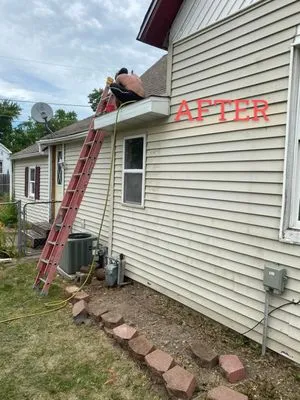
Grassassinator is a Pekin-based home services company specializing in lawn care, pressure washing, and painting solutions for local homeowners. We understand that many Pekin homes face landscaping cha...
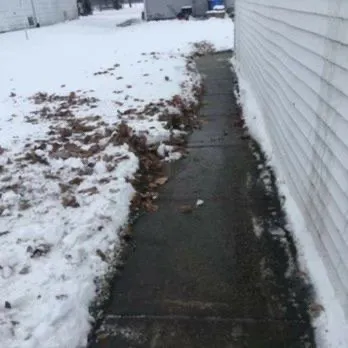
Superior Lawn & Landscape is a locally owned and operated lawn service provider proudly serving Sandwich, IL, and the surrounding counties. Founded by professionals with a combined decade of hands-on ...
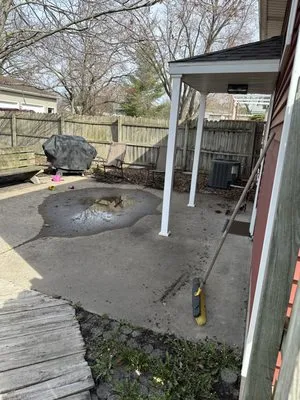
5700 Growz is a locally owned and operated business in La Salle, IL, founded by Larry Kelly. We specialize in both lawn care and home cleaning services, dedicated to helping our neighbors maintain bea...
Grindstone Tree Service is your trusted local partner in Leland, IL, offering comprehensive tree services, snow removal, and lawn care to keep your property healthy and safe year-round. We understand ...

American Facility Services is a Chicago-based facility management provider with deep roots in the Midwest. Originally founded as I&B Services in a small Michigan town in 2017, we built a reputation fo...

Dean Wolber Excavating is a Dixon-based excavation and landscaping contractor dedicated to solving the common property challenges faced by local homeowners. We understand that issues like dying shrubs...
Arteaga Tree Service & Landscaping is your local, trusted partner for outdoor care in Mendota, IL, and the surrounding communities. Founded in 2023, our team brings a practical, hands-on approach to b...
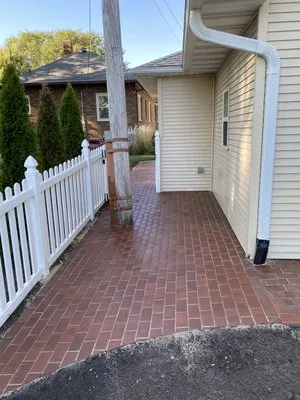
Ivan's and Jr's Landscaping & Tree Service
Ivan's and Jr's Landscaping & Tree Service is a trusted, family-owned business serving LaSalle, IL, and the surrounding area. We specialize in comprehensive landscaping, tree care, and snow removal se...
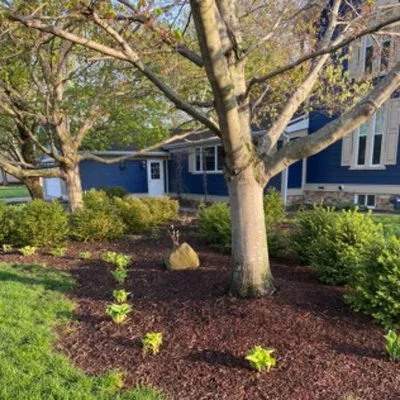
Kuehn Lawn Services is a trusted local provider in Magnolia, IL, offering comprehensive outdoor solutions including snow removal, landscaping, and pressure washing. With years of experience, we specia...
King Landcare And Landscaping
King Landcare And Landscaping has been Spring Valley's trusted lawn care and landscaping partner since 1999, serving La Salle, Peru, Ottawa, Mendota, and surrounding communities. As a fully insured me...
Estimated Landscaping Service Costs in Utica, IL
Question Answers
How quickly can you respond to an emergency like a storm-damaged tree for HOA compliance?
For emergency storm response, our electric fleet can be dispatched from the Starved Rock State Park Visitor Center area. Using I-80, we typically reach Downtown Utica properties within 20-30 minutes during peak hours. This allows for rapid assessment and safe removal of hazardous limbs to meet compliance deadlines. Our battery-powered equipment operates quietly, adhering to local noise ordinances during permitted hours.
We're building a new patio. Why choose limestone over wood for durability and safety?
Permeable limestone pavers offer superior longevity and fire resistance compared to wood, which decays and is combustible. In Utica's Moderate Fire Wise rating zone, proximity to wildland-urban interfaces like Starved Rock makes non-flammable materials a prudent choice for defensible space. Limestone also withstands freeze-thaw cycles in Zone 5b/6a, requires no chemical treatments, and integrates seamlessly with native, low-fuel landscaping.
Our patio area floods every spring. What's a long-term solution that also looks good?
Seasonal flooding is common due to Utica's high-clay-content soil, which has low permeability. Installing permeable limestone pavers is an effective solution; they allow water to infiltrate the ground rather than pooling or running off. This meets modern Village of Utica Building & Zoning Department standards for stormwater management. Combined with strategic grading, it resolves flooding and creates a stable, attractive hardscape.
Is it possible to have a green lawn without wasting water, especially with Utica's clay soil?
Yes, using Wi-Fi ET-based weather-sensing irrigation is key. This system calculates evapotranspiration to apply only the precise water needed, preventing runoff on clay-heavy soils. It automatically adjusts for rain, ensuring your Kentucky Bluegrass and Tall Fescue blend receives deep, infrequent watering that promotes drought tolerance. This method maintains turf health while conserving water, a proactive measure even under Stage 0 restrictions.
I'm tired of weekly mowing. Are there lower-maintenance, eco-friendly options?
Replacing high-input turf with a native plant palette is a forward-thinking solution. Species like Purple Coneflower, Little Bluestem, and Butterfly Milkweed are adapted to Zone 5b/6a and require no mowing, minimal water, and no chemical inputs. This transition reduces maintenance frequency and supports 2026 biodiversity standards. It also aligns with the shift toward electric equipment, as these plantings generate less debris than traditional turf.
We want to regrade our backyard. What permits and contractor credentials should we verify?
Any significant grading on a 0.25-acre lot in Utica requires a permit from the Village of Utica Building & Zoning Department to ensure proper drainage and compliance with codes. The contractor must hold a valid license from the Illinois Department of Financial and Professional Regulation. This licensing guarantees they are bonded, insured, and knowledgeable about the Illinois Nutrient Loss Reduction Strategy, which is critical for managing soil erosion and runoff legally.
Our yard in Downtown Utica seems to drain poorly. Is this because of the soil here?
Homes built around 1988 in Downtown Utica were typically graded with the local native soil profile. This is a mature 38-year-old landscape with underlying silt loam and clay. Over decades, this soil has become compacted, which restricts water percolation and root growth. Core aeration and adding organic compost are necessary to improve soil structure and permeability. Without these amendments, turf health will decline and seasonal flooding risk increases.
What are the biggest weed threats here, and how do we treat them without harming the environment?
Invasive species like garlic mustard and creeping Charlie are prevalent threats in Illinois. Treatment focuses on manual removal and targeted, organic post-emergent herbicides applied at the correct lifecycle stage. All applications strictly follow the Illinois Nutrient Loss Reduction Strategy, avoiding phosphorus and adhering to seasonal blackout dates to protect local watersheds. This approach manages invasives safely without violating local ordinances.
