Top Landscaping Services in University Park, IL, 60417 | Compare & Call
There are 173 landscaping companies server in University Park IL
Meranjil Landscaping is a Chicago Heights-based landscaping company dedicated to solving the common lawn challenges faced by local homeowners. We specialize in addressing poor lawn grading, which can ...

Rodríguez Best Yard is a trusted, local landscaping expert serving Chicago Heights, IL. We specialize in comprehensive lawn care and tree care services, providing solutions for the common local issues...
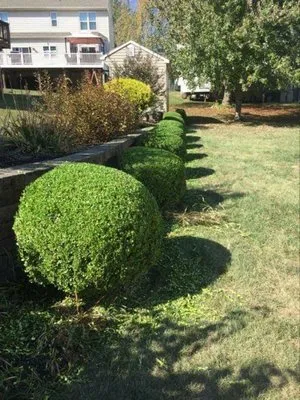
Supreme Landscaping is a trusted, full-service landscaping company serving Sauk Village, IL, and the surrounding areas. We specialize in comprehensive landscape solutions including construction, maint...
Joe & Izzy’s Landscaping Services provides reliable lawn care for Chicago Heights homeowners. We understand the local challenges, like persistent lawn fungus and uneven sprinkler coverage, which can l...
Pat's Landscaping is a trusted, locally-owned landscaping service dedicated to enhancing the beauty and health of lawns throughout Chicago Heights, IL. Many area homes struggle with common issues like...
Zarie's Landscaping & Snow Removal is a trusted, locally-owned service provider in Chicago Heights, IL, specializing in landscaping and snow removal. We understand the common challenges homeowners fac...
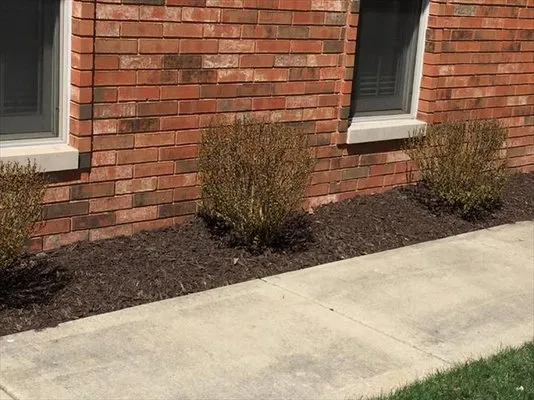
Jim's Lawn Care has been serving Monee, IL, and surrounding communities like Crete and Beecher since 2014. As a family-owned and operated business, we provide reliable lawn care and maintenance for bo...

Jneals Landscaping Services, owned and operated by Jared (Neal) in Hazel Crest, IL, brings over two decades of hands-on experience to every project. Starting in lawn care at age 20, Jared has personal...
Southside Lawncare is a trusted lawn service provider in Chicago Heights, IL, specializing in comprehensive lawn care solutions tailored to the specific needs of local homeowners. Many residents in ou...
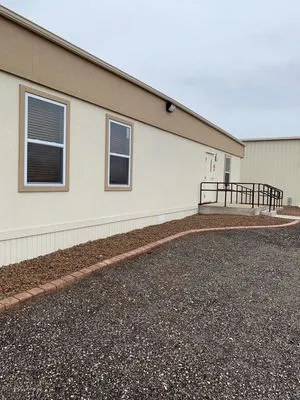
Border Magic is a full-service landscaping and design firm serving Frankfort, IL, dedicated to transforming outdoor spaces into functional and beautiful extensions of your home. We understand that loc...
Estimated Landscaping Service Costs in University Park, IL
Q&A
Why does my University Park lawn struggle despite regular care?
University Park Proper lots average 49 years of soil development since 1977 construction, creating compacted Drummer Silty Clay Loam with reduced permeability. This soil type naturally settles over decades, limiting oxygen exchange and water infiltration to root zones. Core aeration every 2-3 years is essential to disrupt compaction layers and incorporate organic amendments like compost. Without this intervention, even established Kentucky Bluegrass and Tall Fescue blends exhibit poor drought tolerance and nutrient uptake.
How quickly can you respond to storm damage for HOA compliance?
Emergency cleanup crews dispatch from the University Park Public Library area, accessing I-57 for efficient routing throughout University Park Proper. During peak conditions, arrival occurs within 20-30 minutes with equipment capable of handling fallen limbs and debris. This response time accounts for traffic variables while meeting typical HOA 48-hour cleanup requirements. Crews prioritize safety assessments before beginning systematic removal and site restoration.
What permits and licensing are required for landscape grading work?
Grading projects on 0.22-acre University Park lots typically require University Park Building & Zoning Department permits for earth moving exceeding 50 cubic yards. Contractors must hold Illinois Department of Financial and Professional Regulation licensing for landscape construction, ensuring compliance with state erosion control standards. Professional licensing verifies adequate liability insurance and adherence to setback requirements. Unlicensed grading risks improper drainage patterns that could affect neighboring properties and violate municipal codes.
How should I manage invasive species without violating fertilizer regulations?
Early identification and mechanical removal provide the safest approach for common invasives like garlic mustard or buckthorn in University Park. The Illinois Phosphorus Fertilizer Act restricts phosphorus applications unless soil tests demonstrate deficiency, creating specific treatment windows. Targeted spot treatments with EPA-approved herbicides may be necessary for persistent infestations, applied during dormant seasons to minimize non-target impacts. Always verify application timing against local blackout dates for fertilizer and pesticide use.
Can I maintain a healthy lawn under Stage 1 water restrictions?
Smart Wi-Fi ET-based weather sensing irrigation systems automatically adjust schedules using real-time evapotranspiration data and precipitation forecasts. This technology reduces water use 20-40% compared to traditional timers while preserving Kentucky Bluegrass and Tall Fescue health. Systems calibrate to University Park's specific microclimate, avoiding irrigation during rainfall and high humidity periods. Proper programming maintains turf within municipal water limits without compromising root zone moisture.
What solutions address frequent standing water in my yard?
Drummer Silty Clay Loam's poor infiltration combines with University Park's high water table to create chronic drainage issues. Permeable concrete paver installations with crushed limestone bases increase surface permeability 40-60% compared to solid concrete. These systems meet University Park Building & Zoning Department runoff standards while directing water away from foundations. French drains or dry wells may supplement surface solutions where grade limitations exist.
Are concrete pavers better than wood for patio longevity?
Concrete pavers offer superior durability with 25-30 year lifespans versus wood's 10-15 years in University Park's freeze-thaw cycles. Their non-combustible nature supports Low Fire Wise ratings by creating defensible space around structures. Properly installed with polymeric sand joints, paver systems resist weed penetration and maintain level surfaces despite soil movement. Crushed limestone bases provide excellent drainage that prevents frost heave damage common with solid concrete slabs.
What low-maintenance alternatives exist for high-water turf areas?
Transitioning to native plantings like Purple Coneflower, Little Bluestem, and Butterfly Weed reduces water needs 70-80% compared to traditional turf. These species establish deep root systems that improve soil structure and require no chemical inputs once established. This approach aligns with evolving noise ordinance considerations regarding gas-powered equipment. Wild Bergamot and Prairie Dropseed provide year-round visual interest while supporting local pollinator populations.
