Top Landscaping Services in Tower Lakes, IL, 60010 | Compare & Call
There are 207 landscaping companies server in Tower Lakes IL
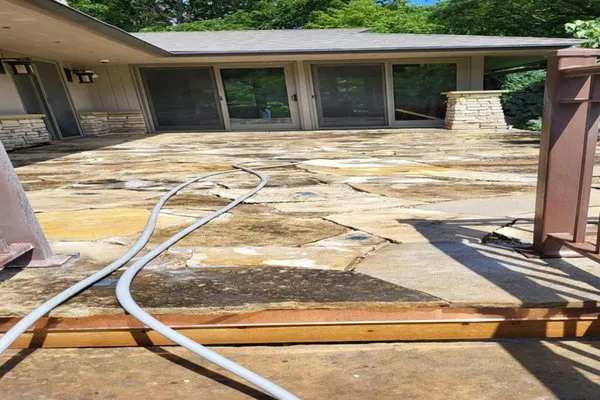
Leibforth Landscape, owned and operated by Keith Leibforth in McHenry, IL, is a trusted local landscaping company specializing in comprehensive solutions for residential properties. With expertise in ...

Bob Leonard Snow Plow Service of Lake County is a trusted, family-run operation with roots in the community dating back to 1989. Founded by Bob Leonard in Gurnee, the business is now owned and operate...
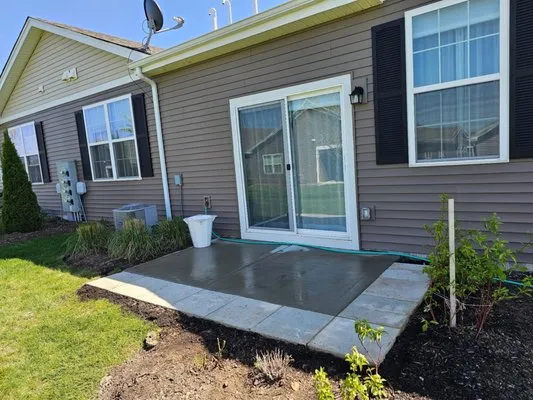
Trydent Odd Jobs is your trusted local expert for outdoor and indoor projects in Ringwood, IL. We specialize in comprehensive landscaping, reliable plumbing, and effective pressure washing services. F...
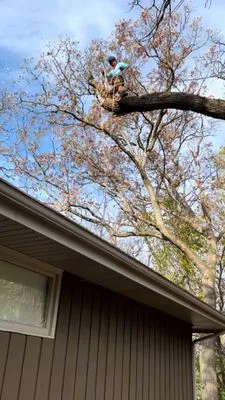
B & S Tree Removal is a family-owned and operated business serving Crystal Lake and the Chicagoland area with comprehensive outdoor services. Licensed and insured, we specialize in tree removal, trimm...
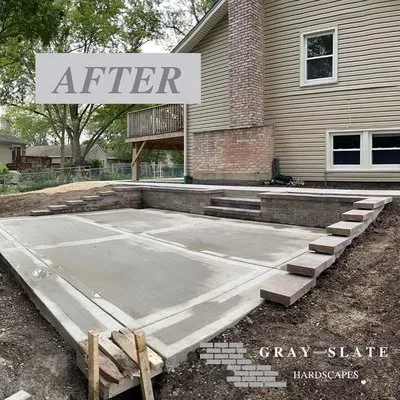
Gray Slate Hardscapes
Gray Slate Hardscapes is a Crystal Lake-based landscaping and masonry company with over a decade of experience transforming outdoor spaces. We specialize in comprehensive hardscape and landscape solut...
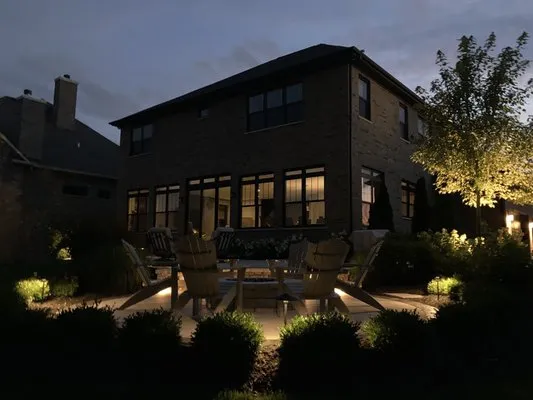
Atmospheric Lighting is a trusted, locally-owned lighting service in Crystal Lake, IL, with 19 years of experience specializing in outdoor lighting systems. As a licensed landscape lighting provider, ...
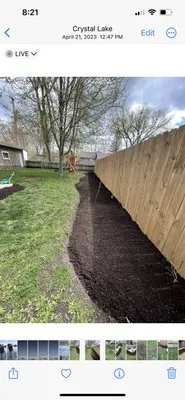
Luis Lawn Care provides reliable, expert lawn services for homeowners in Crystal Lake, IL. I understand the local climate and common yard challenges, from ensuring sprinklers cover every corner to add...
Northwest Landscape Contractor has been serving Cary, IL, and surrounding Lake and McHenry County communities since 1987. As a family-owned and operated business with over 30 years of experience, we s...

M&C Landscaping & Tree Service is a family-owned and operated business serving McHenry and the greater Chicagoland area. Founded on a personal connection—our first client was a newcomer to the area se...
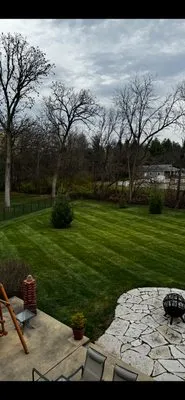
Avery Field Mowing is a veteran-owned lawn service in McHenry, IL, specializing in maintaining large properties of 2+ acres, including fields, pastures, and overgrown lots. We provide reliable monthly...
Estimated Landscaping Service Costs in Tower Lakes, IL
Questions and Answers
How should I deal with invasive weeds like creeping Charlie without harming my lawn?
Invasive species like creeping Charlie thrive in compacted, shaded areas of Kentucky Bluegrass lawns. A targeted, spot-applied herbicide in early fall, when perennials are drawing resources down to their roots, is most effective. Crucially, any fertilizer used must be phosphorus-free per the Illinois Fertilizer Act, and applications must avoid blackout dates to protect local watersheds. Improving soil health through aeration is the best long-term defense.
What permits and qualifications are needed to regrade my yard?
Regrading a 0.75-acre lot in Tower Lakes often requires a permit from the Village of Tower Lakes Building & Zoning Department, especially if it alters water flow to adjacent properties. The contractor must hold appropriate licensing through the Illinois Department of Financial and Professional Regulation. This ensures they carry the insurance and possess the technical knowledge of local soils and drainage codes necessary for work of this scale and impact.
My yard stays soggy for days. What's a long-term solution?
Persistent sogginess is a direct result of the high water table and poor infiltration in glacial till silt loam. Surface regrading alone is insufficient. Integrating subsurface French drains with catch basins addresses the symptom, while replacing impervious surfaces with permeable clay pavers or crushed limestone addresses the cause. This approach manages runoff at the source and typically meets the Village of Tower Lakes Building & Zoning Department's updated stormwater standards.
My lawn seems compacted and struggles to drain. Is this common for our area?
Properties in Tower Lakes Estates, developed on average in 1964, have over 60 years of soil maturation. The native Mollisols, a silt loam with pH 6.8-7.2, are inherently fertile but prone to compaction from decades of foot traffic and traditional maintenance. This compaction severely reduces permeability, creating the poor infiltration observed in the underlying glacial till. A core aeration program, paired with top-dressing compost, is essential to rebuild soil structure and restore hydraulic function.
How can I keep my Kentucky Bluegrass lawn healthy under water restrictions?
Under Stage 1 voluntary conservation, an ET-based smart irrigation system is non-negotiable. This technology uses local weather data to apply water only when evapotranspiration demands it, preventing overwatering that exacerbates our high water table. For a Fine Fescue and Bluegrass blend, this method deepens root systems, improving drought tolerance. It directly aligns with municipal water goals by eliminating schedule-based watering.
Can you respond quickly for an emergency tree cleanup after a storm?
For emergency storm response or HOA compliance deadlines, our dispatch is coordinated from the Tower Lakes Village Hall. Crews travel via US-12 (Rand Road) to reach Tower Lakes Estates, with a peak response window of 45-60 minutes accounting for traffic and debris. Our electric maintenance fleet operates within the local 7:00 AM to 7:00 PM weekday noise ordinance, allowing for immediate, compliant mobilization.
Are permeable pavers a better choice than wood for a new patio?
For longevity and ecological function in Zone 5b, permeable clay pavers outperform wood. They are immune to rot, frost heave, and insect damage, offering a decades-long service life. Their permeability directly mitigates local drainage hazards. While the suburban residential Fire Wise rating is Low, using non-combustible materials like pavers or crushed limestone for patios and paths still contributes to defensible space principles.
I'm tired of weekly mowing. Are there lower-maintenance options?
Transitioning high-input turf to a palette of regionally native plants like Purple Coneflower, Little Bluestem, and Butterfly Milkweed significantly reduces maintenance. This established xeriscape requires no weekly mowing, minimal watering, and supports local biodiversity. It is a forward-looking adaptation to evolving noise ordinances that increasingly restrict gas-powered blowers and mowers, shifting the standard toward quieter, electric equipment.
