Top Landscaping Services in Timber, IL, 61533 | Compare & Call
There are 176 landscaping companies server in Timber IL
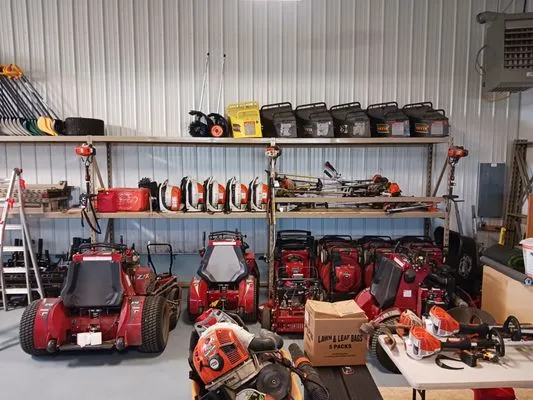
Peoria Lawn's story began in Bartonville out of a practical need for dependable, affordable lawn care. Founded in 2011, the company was born when its owners, needing reliable service for their own pro...
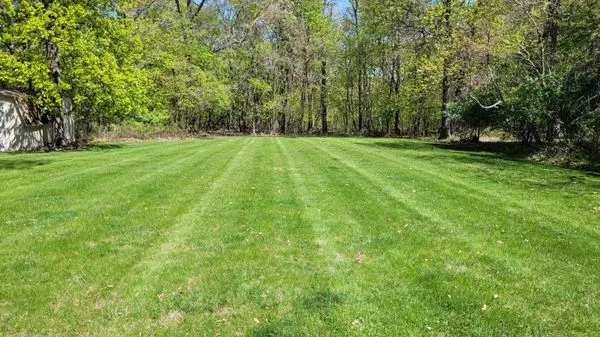
Mike's Mowing & More brings a disciplined, detail-oriented approach to lawn care in Washington, IL, founded by Mike after his 30-year career in the U.S. Army. This experience translates directly into ...

Good Earth Landscaping
Good Earth Landscaping and Garden Center is a full-service landscape contractor and garden center located at 1401 Meadow Avenue in East Peoria, Illinois. Our team of award-winning designers combines e...
Sutter Lawn & Landscaping is a fully-insured, locally-owned landscaping company serving Peoria, Illinois, and the surrounding communities. With over a decade of experience, we provide reliable residen...
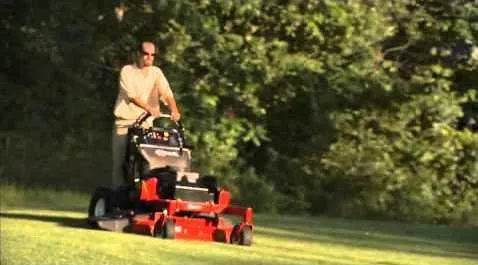
Founded in 1981 as Schlueter Brothers Inc., Mow-N-Man Services brings over four decades of hands-on experience to lawns and landscapes across Central Illinois. The company evolved to focus specificall...

As a local Peoria lawn and tree care expert, I specialize in translating the specific needs of central Illinois landscapes into clear, actionable advice. My focus is on providing practical solutions f...
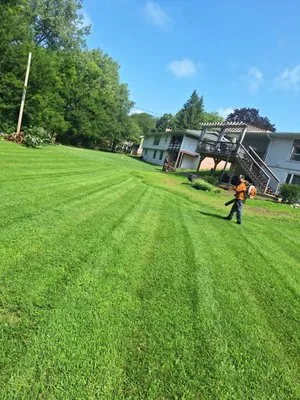
Count on Creysy Landscaping is a Peoria, IL-based landscaping company dedicated to enhancing and maintaining local outdoor spaces. We specialize in a comprehensive range of services from landscape des...
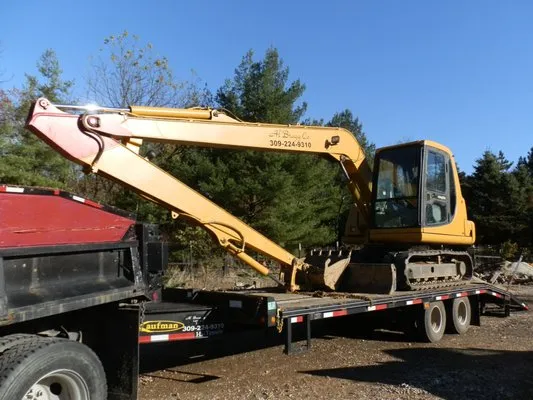
Al Bragg Excavating is a family-owned excavating and landscaping company serving Mapleton, IL, and the surrounding Peoria and Tazewell counties since 1975. With decades of experience, we specialize in...
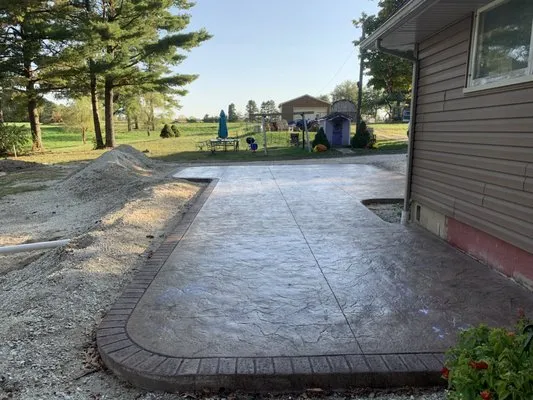
Nature's Edge Hardscapes is a locally owned and operated landscaping and masonry business serving East Peoria, IL, and surrounding areas. With over 40 years of combined experience in the concrete indu...
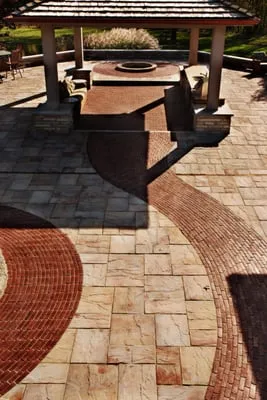
Stuber Land Design, founded in 1994, brings a distinctively design-driven approach to landscaping in Central Illinois. Owner Dale Stuber, a registered landscape architect and University of Illinois gr...
Estimated Landscaping Service Costs in Timber, IL
Common Questions
Are concrete pavers better than wood for Timber patios considering longevity and fire safety?
Concrete pavers offer superior durability with 25+ year lifespans versus wood's 10-15 years in Timber's freeze-thaw cycles. Their non-combustible nature supports Low Fire Wise Rating compliance by creating defensible space around structures. Properly installed with joint sand, pavers accommodate root growth and thermal expansion while maintaining permeability for stormwater management. Unlike wood, they resist rot, insect damage, and require no chemical treatments that could leach into surrounding soil ecosystems.
How do I maintain my Kentucky Bluegrass and Tall Fescue blend during Timber's Stage 1 water restrictions?
Smart Wi-Fi controllers with soil moisture sensors optimize irrigation by applying water only when ET rates indicate plant stress. These systems monitor real-time weather data and soil conditions to deliver precise watering schedules that conserve 20-40% compared to traditional timers. For Timber's silt loam soil, they prevent both underwatering and excessive runoff that contributes to seasonal ponding. This technology maintains turf health while respecting municipal water conservation goals during voluntary restriction periods.
What solutions address moderate seasonal ponding in my Timberwood Estates yard's low-lying areas?
Seasonal ponding in Timber's silt loam soil requires graded swales or French drains to redirect surface water away from depressions. Permeable concrete pavers installed with proper base materials increase infiltration rates while meeting Timber Department of Building and Zoning runoff standards. For severe cases, dry wells or rain gardens with native plants like Purple Coneflower provide biological filtration. These systems work together to manage water movement through soil with moderate permeability characteristics.
Why does my Timberwood Estates lawn struggle with compaction and poor drainage after 23 years?
Timberwood Estates homes built around 2003 have soil that has matured for 23 years, developing compaction layers from construction equipment and routine maintenance. The silt loam soil common in this neighborhood has moderate permeability that declines over time without intervention. Core aeration every 2-3 years with organic amendments like composted leaf mold addresses this by improving soil structure and water infiltration. This process creates channels for air, water, and root penetration while adding beneficial microorganisms to the soil profile.
Why does grading work on my 0.35-acre Timber lot require specific professional licensing?
Grading alterations on 0.35-acre parcels require Illinois Department of Financial and Professional Regulation licensed professionals due to potential impacts on drainage patterns and neighboring properties. The Timber Department of Building and Zoning mandates permits for any grading changing water flow direction or volume by more than 10%. Licensed contractors understand silt loam soil characteristics and implement erosion controls that prevent sedimentation in municipal systems. This ensures compliance with both local ordinances and state environmental protection standards.
How can I reduce maintenance while preparing for stricter noise ordinances on gas-powered equipment?
Replacing high-maintenance turf with native plantings like Little Bluestem, Butterfly Milkweed, and Wild Bergamot creates resilient landscapes requiring minimal intervention. These species thrive in Timber's USDA Zone 5b conditions with deep root systems that improve soil structure and drought tolerance. Transitioning to electric maintenance equipment now positions your property ahead of evolving noise regulations while supporting 2026 biodiversity standards. Native plant communities also provide habitat for pollinators and reduce water consumption by 50-75% compared to traditional lawns.
What invasive species threaten Timber landscapes, and how do I treat them without violating fertilizer regulations?
Garlic mustard and Japanese knotweed present significant invasive threats in Timber's USDA Zone 5b, outcompeting native vegetation and degrading soil health. Manual removal before seed set combined with targeted organic herbicides avoids phosphorus application prohibited under Illinois Nutrient Management Plan for non-deficient soils. Timing treatments outside blackout periods ensures compliance while preventing reinfestation. Regular monitoring and immediate response to new invasions protect existing native plant investments without chemical overreliance.
How quickly can you respond to emergency storm damage cleanup for HOA compliance in Timber?
Emergency storm response from our Timber Civic Center dispatch typically reaches Timberwood Estates within 20-30 minutes during peak conditions via IL-116. Our electric maintenance fleet operates within Timber's 7:00 AM to 8:00 PM noise ordinance restrictions while providing immediate debris removal. We prioritize safety hazards like downed branches blocking driveways or damaged trees threatening structures. This rapid response prevents HOA violations while securing the property until permanent repairs can be scheduled.
