Top Landscaping Services in Sycamore, IL, 60178 | Compare & Call
There are 157 landscaping companies server in Sycamore IL
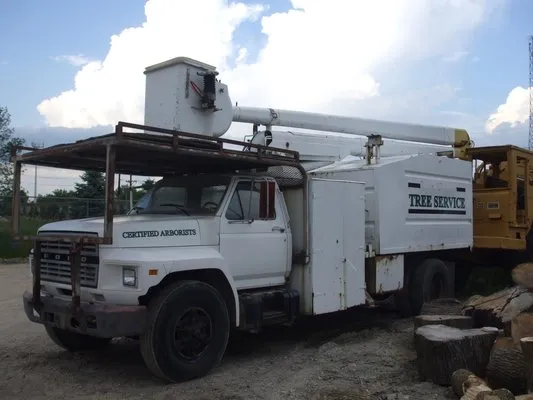
Fox Valley Tree Service, led by President Robert Anderson, is a Geneva-based company providing comprehensive tree and shrub care throughout DuPage County and the Fox Valley region. As certified arbori...
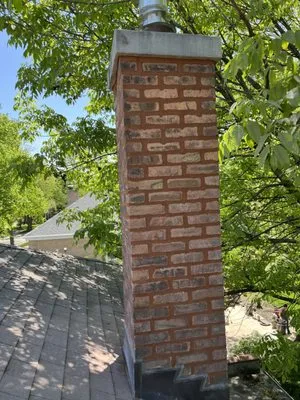
Brothers Masonry & Landscaping is a trusted Sycamore, IL company specializing in fireplace services, masonry, and landscaping. They help homeowners address common local issues like mulch bed weeds and...
Swanberg Landscaping is a trusted, Sycamore-based company dedicated to enhancing and protecting local properties. We understand the common issues homeowners face in our area, particularly poor lawn gr...
Natural Vision Landscaping is a trusted local landscaping company serving Maple Park, IL, and the surrounding communities. We specialize in creating and maintaining beautiful, healthy outdoor spaces t...
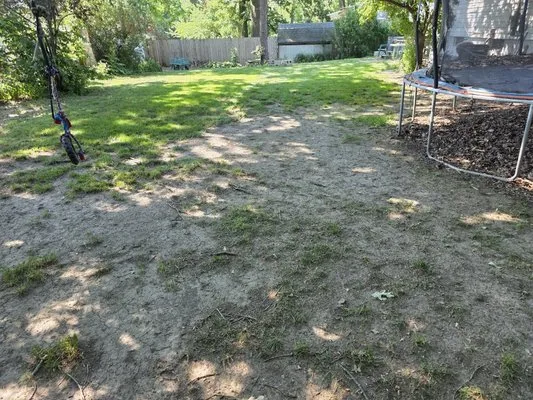
Lush Lawn Solution is a trusted, locally-owned lawn and tree service provider dedicated to maintaining the beauty and health of DeKalb properties. We understand the specific challenges homeowners face...
Tractor Dan Services is your trusted local lawn care expert in Maple Park, IL. We specialize in comprehensive lawn care solutions tailored to the specific challenges homeowners in our area face, such ...
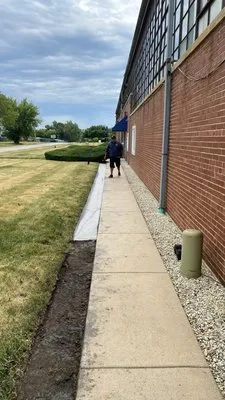
J & O Contractors is a trusted Elgin-based company specializing in comprehensive tree services, landscaping, and masonry/concrete work. Serving local homeowners, we address common landscaping challeng...
Estimated Landscaping Service Costs in Sycamore, IL
Common Questions
What solutions exist for poor water infiltration in my silt loam soil during heavy rains?
Sycamore's Mollisols/silt loam requires engineered drainage solutions to address poor permeability. We install French drains with clean gravel and perforated piping that redirect water away from foundations, combined with permeable crushed limestone pathways that meet Building & Engineering Department runoff standards. These systems work with the soil's natural characteristics rather than against them, reducing surface pooling while maintaining the soil's valuable nutrient-holding capacity.
How can I reduce maintenance while preparing for potential gas equipment restrictions?
Transitioning high-maintenance turf areas to native plantings like Purple Coneflower, Little Bluestem, and Butterfly Milkweed creates a resilient landscape that requires minimal intervention. These deep-rooted natives thrive in Sycamore's Zone 5b conditions without weekly mowing, reducing dependence on gas-powered equipment ahead of potential noise ordinance tightening. The resulting ecosystem supports local pollinators while cutting water and maintenance inputs by approximately 70% compared to traditional turf.
Can I maintain Kentucky Bluegrass and Fine Fescue turf while following Sycamore's water conservation standards?
Yes, smart Wi-Fi soil moisture sensor controllers provide precise ET-based irrigation that maintains turf health within municipal water limits. These systems monitor real-time soil conditions and adjust watering schedules to deliver exactly what your specific soil requires, typically reducing water use by 30-40% compared to traditional timers. This technology prevents overwatering that exacerbates Sycamore's seasonal high water table while keeping root zones at optimal moisture levels for drought resilience.
How quickly can you respond to an emergency tree cleanup after a storm in Sycamore?
Our emergency dispatch from Sycamore Courthouse Square via IL-23 typically reaches most Historic District properties within 20-30 minutes during peak response times. We maintain electric-powered equipment that complies with the 7:00 AM to 9:00 PM noise ordinance, allowing immediate deployment without violation concerns. This rapid response minimizes property damage and addresses HOA compliance requirements for debris removal before secondary issues develop.
Are crushed limestone and clay brick pavers better than wood for Sycamore's climate?
Crushed limestone and clay brick offer superior longevity in Sycamore's freeze-thaw cycles, with 25+ year lifespans versus wood's 8-12 years. These materials maintain permeability for better water management in silt loam soils while providing the fire-wise defensible space recommended for urban-suburban interfaces. Their thermal mass moderates surface temperatures, reducing heat island effect and creating more stable microclimates for adjacent plantings compared to wood's insulating properties.
Why does my Sycamore Historic District lawn have drainage issues despite regular care?
Sycamore's 1993-built homes sit on 33-year-old Mollisols/silt loam soil that has become compacted over time. This soil type naturally has poor permeability, and decades of foot traffic and equipment weight have reduced pore space, limiting water infiltration. Core aeration with organic amendments like composted leaf mold is essential to restore soil structure and improve percolation rates. Without this intervention, seasonal high water tables will continue to cause surface pooling and root stress in turf areas.
What permits and licensing are required for grading work on my quarter-acre Sycamore lot?
Grading projects on 0.25-acre lots in Sycamore require permits from the Building & Engineering Department to ensure proper drainage and erosion control. Contractors must hold appropriate licensing through the Illinois Department of Financial and Professional Regulation, specifically for earth moving and stormwater management. This oversight prevents downstream flooding and protects the integrity of Sycamore's shared water table, with inspections verifying that work meets municipal standards for slope stability and runoff containment.
What should I do about invasive species like garlic mustard without violating fertilizer regulations?
Garlic mustard and other invasive species in Sycamore require targeted mechanical removal before seed set, followed by soil testing to determine appropriate phosphorus-free amendments. We schedule removal during optimal growth phases when roots are most vulnerable, avoiding the need for chemical treatments that might conflict with local ordinances. Post-removal, we introduce native competitors like Wild Bergamot that naturally suppress reinvasion while building soil health through mycorrhizal associations.
