Top Landscaping Services in Swansea, IL, 62208 | Compare & Call
There are 167 landscaping companies server in Swansea IL

Chameleon Landscaping is a dedicated, veteran and minority-owned landscaping service proudly serving Swansea, IL. As a newly established startup, owner brings a commitment to hard work, exceptional cu...
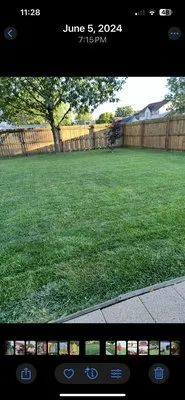
Edgeworx Lawn Pros is a veteran-owned, fully-insured lawn care service in Belleville, IL, dedicated to enhancing the beauty and value of properties in St. Clair County. We specialize in eco-friendly l...
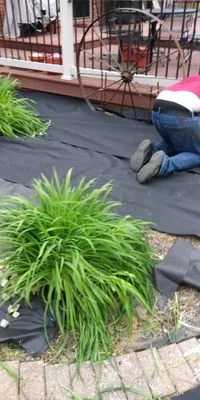
Don's Home Remodeling is a Swansea-based general contractor specializing in comprehensive home improvement and landscaping services. We handle everything from bathroom and kitchen remodels to full bui...

Lawn Care SOS is your trusted local lawn service in Swansea, IL, dedicated to solving the common landscaping challenges homeowners face. We specialize in comprehensive lawn care, directly addressing i...

Handy's Lawn Care is a trusted, local lawn care provider serving Belleville and the surrounding communities. We understand that local homeowners often face challenges like lawn insect damage and destr...
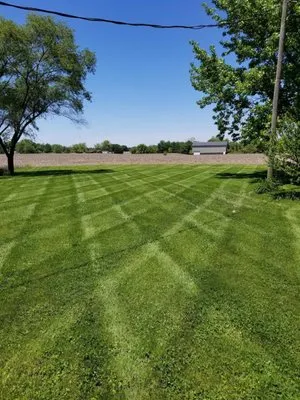
Oasis Lawn Care is Swansea, IL's trusted partner for a healthy, resilient lawn. We understand the common local challenges homeowners face, such as persistent lawn fungus diseases and invasive moss gro...
Stone Works Outdoor Services is a Swansea-based landscaping company with over 35 years of experience in the landscape and hardscape industry. We specialize in creating beautiful, functional outdoor sp...
Shear Delight Landscaping & Tree Service is a trusted, local provider dedicated to solving Belleville's common outdoor challenges. We specialize in addressing the specific issues homeowners face, like...

Rick's Handyman & Lawn is your trusted local expert in Swansea, IL, offering comprehensive handyman, junk removal, and landscaping services. We specialize in addressing common local challenges like st...
Ochoa's Landscaping is a trusted, locally-owned landscaping service dedicated to solving common Belleville lawn and garden challenges. We understand the specific frustrations local homeowners face, li...
Estimated Landscaping Service Costs in Swansea, IL
Q&A
How do I treat invasive species without violating fertilizer regulations?
Early identification of invasive species like Japanese knotweed or garlic mustard prevents establishment before they compromise native plantings. Mechanical removal through digging or cutting below the crown line avoids chemical treatments that might violate statewide phosphorus runoff regulations. For persistent infestations, targeted spot applications of glyphosate in fall when natives are dormant minimize environmental impact. Always check Illinois Department of Agriculture guidelines for treatment windows that avoid blackout dates near water bodies or sensitive areas.
What permits and licenses are needed for grading my 0.35-acre lot?
The Village of Swansea Building & Zoning Department requires grading permits for any earth movement exceeding 50 cubic yards or altering drainage patterns. Illinois Department of Financial and Professional Regulation licensing ensures contractors carry proper liability insurance and bonding for excavation work. On 0.35-acre lots, engineered drainage plans may be required if grading affects neighboring properties or municipal storm systems. Always verify contractor IDFPR license #324-###### before signing agreements, as unlicensed grading can void property insurance coverage.
Are concrete pavers better than wood for longevity in Swansea?
Concrete pavers with limestone aggregate offer 25+ year lifespans versus wood's 8-12 years in our freeze-thaw cycles. Their non-combustible nature maintains defensible space important for low Fire Wise ratings in urban-suburban interfaces. Proper installation with polymeric sand joints prevents weed growth and shifting, while their permeability reduces runoff compared to solid concrete. Limestone's natural pH buffering prevents the alkalinity issues common with some manufactured pavers in our 6.5-7.2 soil pH range.
How quickly can you respond to storm damage for HOA compliance?
Emergency cleanup crews dispatch from Melvin Price Memorial Park via IL-159, reaching Swansea Village properties within 20-30 minutes during peak response times. This routing prioritizes arterial roads to bypass residential congestion while maintaining compliance with standard noise ordinances. Crews carry electric chainsaws and battery-powered blowers to address fallen limbs and debris without violating daytime operation limits, with most emergency stabilization completed within 4 hours of arrival.
How do I maintain Tall Fescue during Stage 1 water restrictions?
Wi-Fi ET-based weather sensing irrigation systems calculate evapotranspiration rates to deliver precise water volumes matching turf needs. These systems automatically adjust schedules based on real-time weather data, reducing water use by 25-40% compared to traditional timers while maintaining Tall Fescue health. During Stage 1 restrictions, programming deep but infrequent watering cycles encourages deeper root growth and drought tolerance. Municipal water compliance is achieved through flow sensors that prevent overwatering and generate usage reports for verification.
What solutions address moderate runoff in silt loam soils?
Silt loam's moderate permeability combined with clay subsoil creates surface runoff that requires engineered solutions. Installing permeable concrete pavers with limestone aggregate bases creates 30-40% void spaces for water infiltration, meeting Village of Swansea Building & Zoning Department runoff standards. French drains with clean washed gravel and geotextile fabric redirect subsurface water away from foundations. Grading swales with 2% minimum slope ensures positive drainage without creating erosion hazards on 0.35-acre lots.
Why does my Swansea Village lawn struggle with compaction and poor drainage?
Swansea Village properties average 34 years of development since 1992, creating mature but compacted silt loam soil. This soil type naturally develops poor permeability over decades, especially with clay subsoil layers common in our area. Core aeration with organic amendments like composted leaf mold addresses compaction by improving soil structure and water infiltration. Regular soil testing every 2-3 years monitors pH levels within the 6.5-7.2 range to maintain optimal nutrient availability.
Should I replace high-maintenance turf with native plants?
Transitioning to Purple Coneflower, Butterfly Milkweed, Little Bluestem, and Wild Bergamot reduces maintenance frequency by 60-80% while supporting local pollinators. These natives require no fertilization beyond initial establishment and tolerate our USDA Zone 6b climate extremes. Electric maintenance equipment operates quietly within standard noise limits while eliminating gas emissions. Xeriscaping principles applied to these plantings reduce irrigation needs by 75% compared to traditional turf, creating resilient landscapes ahead of potential gas-blower restrictions.
