Top Landscaping Services in Squaw Grove, IL, 60115 | Compare & Call
There are 191 landscaping companies server in Squaw Grove IL
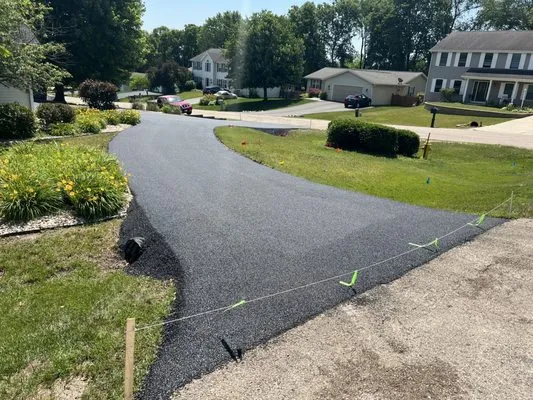
Image Pro's is a Rockford-based landscaping and masonry contracting business founded in 2000. Starting as a two-person operation, it has grown to employ 48 trained professionals dedicated to serving r...
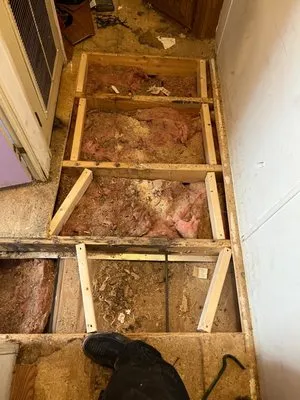
1 Guy and His Truck is your trusted Dixon handyman and landscaping service, offering comprehensive solutions for homeowners throughout Lee County. With expertise spanning appliance installation and re...
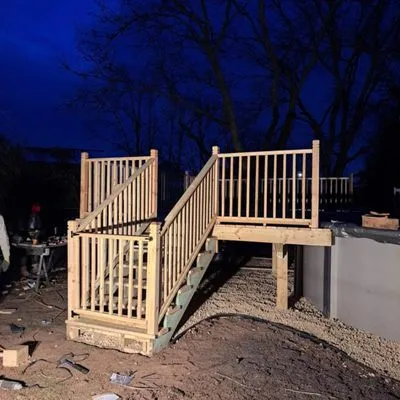
New Way Landscape has been serving the Harvard, IL community since 2000 as a full-service landscaping partner. We take a comprehensive approach to outdoor projects, handling everything from routine la...
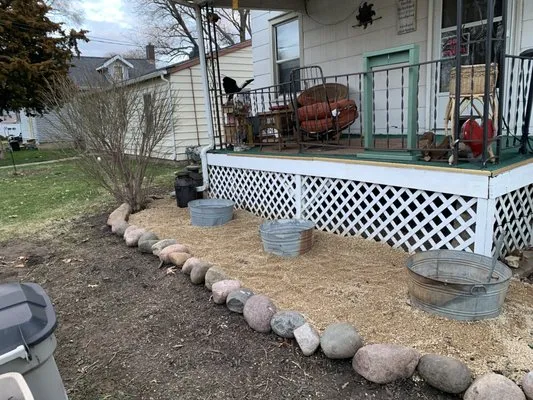
T&T Total Services is a family-owned business in Dixon, IL, dedicated to providing reliable and affordable landscaping, demolition, junk removal, and hauling services. We treat every property with the...
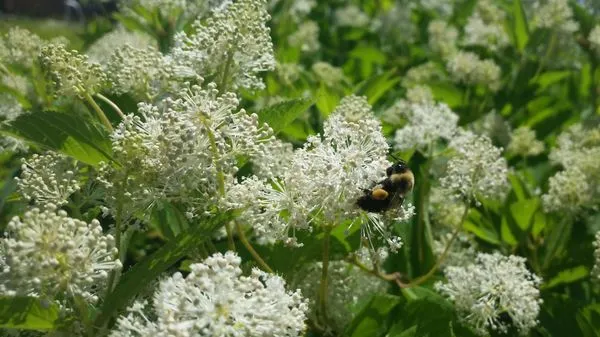
Teach 'em to Fish Landscaping in Sycamore, IL, brings together decades of horticultural expertise with a genuine commitment to community and ecological stewardship. Founded by professionals with over ...
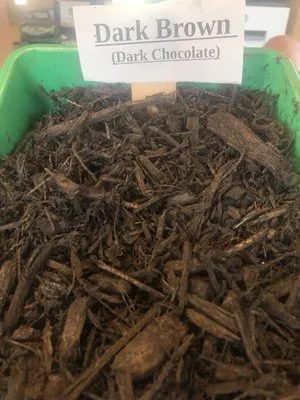
Main Street Landscape Supply and Services
Main Street Landscape Supply and Services has been a trusted part of the Plainfield community for decades. Originally founded in 1985 as Illinois Paving Brick, we were pioneers in brick paver installa...
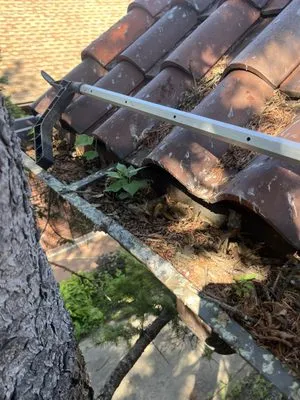
Dinkos Gutter Cleaning & Lawn Care is a locally owned and operated business dedicated to protecting and enhancing Crest Hill homes. We specialize in a full range of gutter services, from thorough clea...
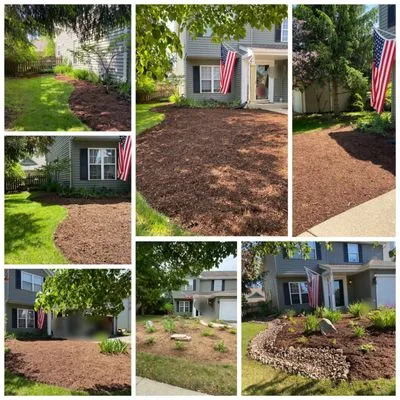
Shreve Services is a trusted landscaping company serving Plainfield, IL, and surrounding communities like Joliet and Naperville since 1984. We specialize in comprehensive property care, including irri...
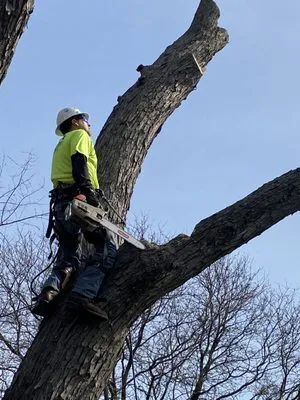
HGTS Inc., also known as Herman Gomez Tree Service and Landscaping Inc., has been a family-owned and operated tree care provider in Elburn, IL, since 1985, bringing over three decades of trusted exper...
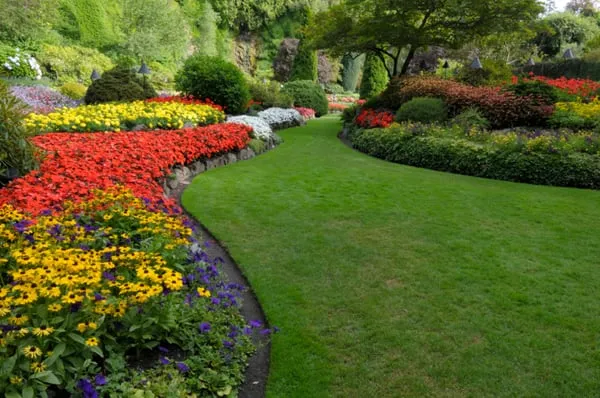
Always Wright Landscaping brings over three decades of dedicated lawn care and maintenance expertise to West Chicago. We are a full-service provider committed to transforming and maintaining your outd...
Estimated Landscaping Service Costs in Squaw Grove, IL
Question Answers
Are concrete pavers a better choice than wood for a new patio?
For longevity and reduced maintenance in Zone 5b, inorganic materials like concrete pavers or crushed limestone outperform wood. They do not rot, warp, or attract wood-boring insects, and their non-combustible nature contributes to defensible space in Squaw Grove's Low Wildland-Urban Interface fire rating. While the initial cost is higher, the lifecycle cost is lower due to minimal upkeep and a functional lifespan measured in decades, not years.
How quickly can you respond to an emergency like a storm-damaged tree?
For urgent situations like storm debris blocking a driveway, we prioritize dispatch. A crew mobilizing from the Squaw Grove Community Center can reach most Grove Heights properties via IL-23 within the 25-35 minute window noted for peak storm response. This efficiency is critical for HOA compliance deadlines or preventing further property damage, and our transition to electric equipment allows for immediate work within the 8:00 AM to 8:00 PM noise ordinance window.
Is there a lower-maintenance alternative to my grassy lawn?
Transitioning high-input turf areas to a native plant community is a forward-looking strategy. A planting of Purple Coneflower, Little Bluestem, Butterfly Milkweed, and Wild Bergamot establishes deep root systems that require no irrigation once established, eliminate weekly mowing, and provide superior habitat. This xeriscaping approach also reduces dependency on gas-powered blowers, future-proofing your landscape against potential tightening of the local noise ordinance.
What permits and licenses are needed to regrade my backyard?
Significant grading that alters water flow or involves retaining walls over certain heights requires a permit from the Squaw Grove Planning & Development Department. For the work itself, ensure your contractor holds a valid license from the Illinois Department of Financial and Professional Regulation. On a 0.25-acre lot, improper grading can create drainage liabilities for neighboring properties, making professional, licensed execution not just a legal formality but a necessary risk mitigation.
Can I have a healthy lawn under Stage 1 water conservation rules?
Yes, effective irrigation is about precision, not volume. Smart Wi-Fi ET-based systems adjust watering schedules in real-time using local weather data, applying water only when evapotranspiration rates demand it. This technology is key for maintaining a Kentucky Bluegrass and Tall Fescue blend during summer heat while adhering to Squaw Grove's voluntary conservation stage. Properly programmed, these systems can reduce water use by 20-30% compared to traditional timer-based irrigation.
What's the best way to fix recurring puddles in my yard?
Moderate seasonal ponding in Grove Heights is typically caused by water percolating slowly through the silt loam topsoil and hitting the dense clay subsoil. Solutions must address permeability. Replacing solid concrete walkways with permeable concrete pavers or using crushed limestone for patios allows water to infiltrate locally. For the Squaw Grove Planning Department, these permeable hardscapes often meet or exceed newer runoff management standards for residential lots.
Why does my soil feel so compacted, and what's the long-term fix?
Homes built in Grove Heights around 1975 sit on over 50-year-old landscapes. The native Mollisols silt loam has been compacted by decades of construction and foot traffic, reducing pore space for air and water. This compaction is why your lawn may thin and water ponds; the high clay subsoil layer exacerbates the issue. An annual core aeration, followed by top-dressing with compost, is the fundamental practice to rebuild soil structure and permeability.
What should I do if I spot an invasive plant like creeping bellflower?
Early and complete mechanical removal is critical for invasive species like creeping bellflower or garlic mustard. Dig out the entire root system to prevent regrowth. Under the Illinois Lawn Care Act, herbicide use is a last resort and requires precise application to avoid off-target damage, especially during blackout dates near waterways. A soil test is legally required before any phosphorus-containing product can be applied to address a verified deficiency.
