Top Landscaping Services in Springfield, IL, 62629 | Compare & Call
There are 239 landscaping companies server in Springfield IL

Founded in 2012 by Kevin and Danielle Ladage, Ladage's Luxurious Lawns began as a fertilization and weed control service dedicated to providing premium, affordable care for Chatham lawns. Kevin's root...
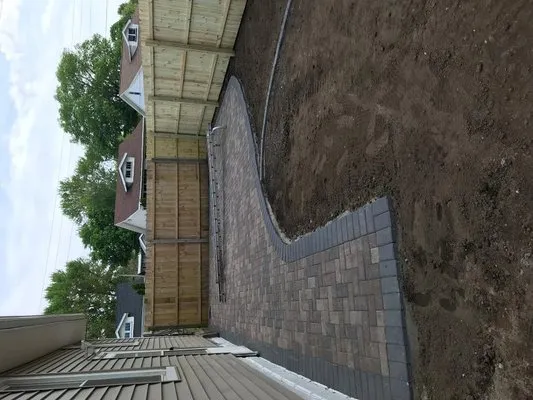
Golf Green Lawn Care is a trusted Springfield, IL provider of comprehensive lawn services, pest control, and snow removal. We specialize in addressing common local landscaping challenges like patchy g...

Immanuel Lawn Service is a trusted local lawn care provider in Springfield, IL, dedicated to keeping residential and commercial properties looking their best. We specialize in comprehensive lawn care ...
Lawnscape Professionals is a trusted local landscaping company serving the Springfield, IL area. We specialize in addressing the common local challenges of soil compaction and persistent weed infestat...
Crossin's Tree Service is a trusted local provider in Springfield, IL, specializing in comprehensive tree care and landscape maintenance. We help Springfield homeowners tackle common landscaping chall...
Oasis Lawn Sprinklers is your trusted, local Springfield partner for efficient lawn irrigation and sprinkler system care. We understand that local homeowners face common issues like costly sprinkler s...
Shades Of Green Unlimited is a locally owned and operated landscaping business in Auburn, IL, founded on a foundation of hard work, high standards, and a genuine passion for the trade. With eight year...
Green Acre Landscaping is a trusted local provider in Springfield, IL, dedicated to enhancing and maintaining the health of your yard. We understand the common challenges homeowners face, such as unsi...
Lincoln Landscaping is a locally owned and operated Springfield company dedicated to helping homeowners achieve and maintain beautiful, healthy outdoor spaces. We understand the specific challenges ce...

Elite Lawn And Snow is a trusted local service provider in Springfield, IL, specializing in comprehensive lawn care and snow removal solutions. We understand that many Springfield homes face common la...
Estimated Landscaping Service Costs in Springfield, IL
Common Questions
A storm damaged a large tree limb. How quickly can a crew respond for an emergency cleanup?
For emergency storm response, a crew can typically be dispatched within 20-30 minutes during peak hours from our central dispatch near the Illinois State Capitol. The route via I-55 to the Lincoln Park area allows for efficient access. Our operations adhere to the local noise ordinance, meaning work can commence immediately upon arrival if before the 9:00 PM restriction. This prioritizes safety and HOA compliance without delay.
What invasive weeds should I watch for, and how do I treat them safely?
In Springfield, common invasive alerts include creeping Charlie, Japanese knotweed, and garlic mustard. Manual removal is effective for small infestations. For chemical control, always use a targeted, selective herbicide and apply strictly according to the label. Crucially, be aware of the local fertilizer ordinance which prohibits phosphorus application on established turf unless a soil test confirms a deficiency; this rule does not typically govern weed control products, but responsible application protects groundwater. Timing treatments before seed set is key.
Our house was built in the 1970s like many in Lincoln Park. Why does the soil seem so compacted and what should we do?
With an average construction year of 1972, the soil in your yard has had over 50 years to settle, leading to significant compaction of the native silt loam. This dense structure, common in older Springfield neighborhoods, severely limits permeability and root growth for turf like Kentucky Bluegrass. To restore health, core aeration is essential to improve oxygen and water infiltration. Following aeration, amending with compost will increase organic matter, enhancing soil structure and biological activity for the long term.
Are concrete pavers a better long-term choice than wood for a new patio?
For longevity and low maintenance in Springfield's climate, concrete pavers are superior to wood. They resist frost heave, will not rot or splinter, and have a lifespan measured in decades. Their modular design allows for excellent permeability when installed with appropriate base materials, aiding drainage. In the context of the area's Low Fire Wise rating, pavers also provide a non-combustible defensible space directly adjacent to the home, adding a layer of safety that organic materials like wood cannot.
My yard stays soggy for days after rain. What's a lasting solution that also looks good?
Persistent saturation is a known hazard in Springfield's silt loam soils due to poor natural infiltration. A functional solution involves installing a French drain system tied to a dry well or daylight outlet. For surfaces, replacing impermeable areas with permeable concrete pavers or crushed limestone allows water to percolate into the subsoil. These strategies manage runoff effectively and can be designed to meet the Springfield Office of Planning and Economic Development's standards for stormwater management.
We want to re-grade our backyard for better drainage. What permits and contractor qualifications are required?
Regrading a 0.22-acre lot in Springfield typically requires a permit from the Office of Planning and Economic Development, as it alters water runoff patterns. The contractor performing this work must hold appropriate licensing through the Illinois Department of Agriculture for landscape contracting, which includes earth moving. Hiring a licensed professional ensures the work complies with local codes, protects you from liability, and guarantees that the drainage solution is engineered correctly for your specific soil and lot conditions.
How can I keep my lawn green without wasting water or violating city rules?
Using a Wi-Fi ET-based weather-sensing irrigation system is the most effective method. This technology automatically adjusts watering schedules based on real-time evapotranspiration data, applying water only when and where your Tall Fescue and Kentucky Bluegrass need it. Even under 'Normal' water restriction status, this system prevents overwatering, conserving municipal resources. It directly targets root zones, promoting deeper roots and drought resilience while maintaining a healthy turf canopy.
I'm tired of weekly mowing. Are there lower-maintenance, attractive alternatives to grass?
Absolutely. Transitioning sections of high-maintenance turf to a native plant garden is a forward-thinking solution. Species like Purple Coneflower, Butterfly Milkweed, and Little Bluestem are adapted to Zone 6a, requiring minimal water and no weekly mowing once established. This approach reduces fuel consumption and aligns with the trend toward quieter, electric maintenance equipment ahead of gas-blower restrictions. The result is a biodiverse, resilient landscape that provides seasonal interest and habitat.
