Top Landscaping Services in Spring Lake, IL, 61534 | Compare & Call
There are 76 landscaping companies server in Spring Lake IL
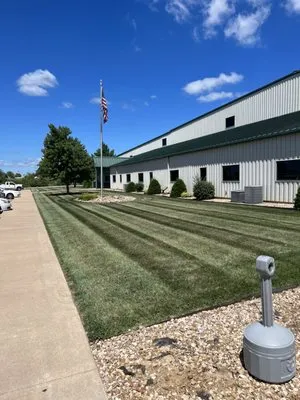
Hollensteiner Lawn Care is a Quincy-based lawn service provider founded by owner Brock, who started mowing lawns at age 14. With deep roots in the community, the business has grown from a neighborhood...
Venvertloh's Landscaping & Lawn Service is a trusted local provider dedicated to enhancing and maintaining Quincy's outdoor spaces. We understand the common challenges homeowners face with poor lawn g...
Madsen Lawn Treatment is a locally owned and operated lawn and tree care service in Quincy, IL, with over 20 years of hands-on experience in the field. The current owner, who recently took over the bu...
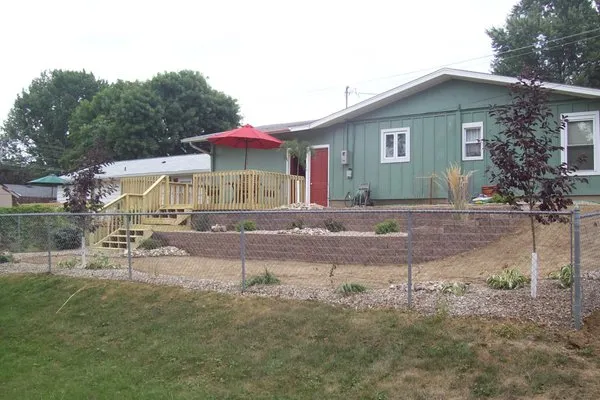
Maple Landscaping
Maple Landscaping is a full-service landscaping company based in Ursa, IL, with over 15 years of experience serving the Quincy area since 2002. We specialize in comprehensive landscaping solutions, in...
Enoch Lawn's and Snow Removal is a trusted, locally-owned Quincy service provider dedicated to maintaining beautiful and functional outdoor spaces year-round. We specialize in comprehensive lawn care,...
C. Riggs Curb Appeal is a Quincy-based lawn and property service company dedicated to helping local homeowners maintain beautiful, functional outdoor spaces. Many Quincy homes face common landscaping ...
Two Tradesman in Camp Point, IL, is a family-operated business built on a simple principle: we do most anything to help our neighbors. Our expertise spans from automotive repairs and custom metal fabr...

Patriot Lawn Services is a trusted, locally-owned lawn and tree care provider serving Quincy, IL, and the surrounding area. We specialize in comprehensive lawn care, tree pruning and trimming, and com...
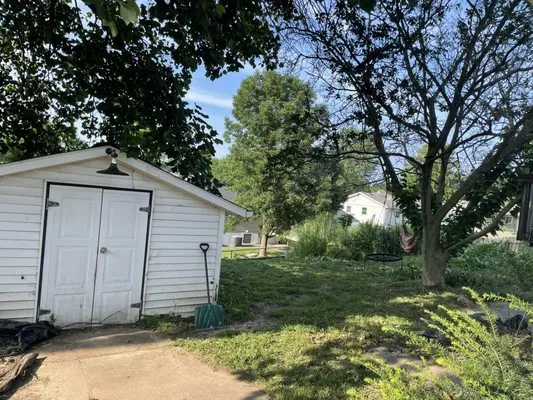
Crystal's Lawn Care is a trusted Quincy, IL lawn and tree service provider dedicated to solving common local landscaping challenges. Many Quincy homes struggle with mulch bed weeds and patchy grass la...
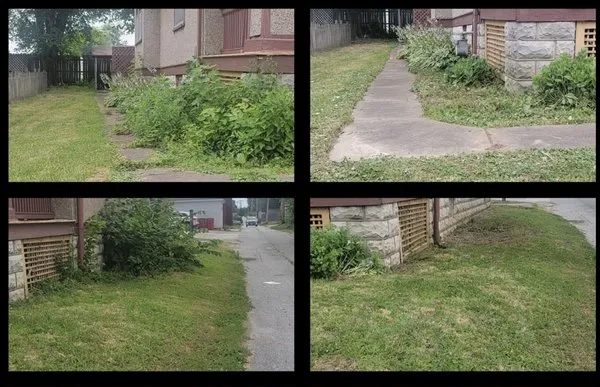
Edwards Lawn Care is a trusted Quincy, IL lawn service dedicated to creating and maintaining healthy, resilient yards for the local community. We understand the specific challenges homeowners face in ...
Estimated Landscaping Service Costs in Spring Lake, IL
Frequently Asked Questions
My Spring Lake Estates lawn looks tired. Is the soil the problem?
Homes built around 1978, like many here, have soil that has matured for nearly 50 years. The original silt loam has likely become compacted from decades of traffic and routine care, reducing its permeability and oxygen availability to roots. This compaction is why Kentucky Bluegrass struggles, as it requires well-aerated soil. A professional soil test and core aeration followed by top-dressing with compost are critical first steps to restore soil structure and biological activity.
A storm broke branches everywhere. How fast can you respond for HOA compliance?
For emergency storm cleanup, our dispatch from Spring Lake Park via IL-29 allows a 20-30 minute arrival to Spring Lake Estates during peak hours. Crews are equipped for immediate debris removal and safety mitigation to meet local ordinance timelines. We prioritize securing the site and clearing walkways and driveways first, documenting the work for your HOA if required.
What should I verify before hiring someone to regrade my lot?
Any significant grading or earth-moving on a 0.25-acre lot typically requires a permit from Tazewell County Planning and Zoning. You must ensure the contractor holds appropriate licensing through the Illinois Department of Financial and Professional Regulation, which covers landscape architecture and contracting. This licensing guarantees they carry required insurance and understand local codes concerning drainage patterns and property lines, protecting you from liability and substandard work.
My yard stays soggy long after rain. What's the fix?
Seasonal high water tables and poor infiltration are common in our silt loam soils. The primary solution is improving subsurface drainage through strategically placed French drains or dry wells that redirect water. For hardscape areas, specifying permeable clay brick paver installations can significantly reduce surface runoff, often helping projects meet Tazewell County Planning and Zoning standards for stormwater management.
I want a quieter, lower-maintenance yard. Where do I start?
Transitioning high-input turf areas to a planting of Purple Coneflower, Butterfly Milkweed, and Little Bluestem creates a resilient, biodiverse landscape. These natives require no weekly mowing, minimal watering once established, and no leaf blowing, aligning with future trends restricting gas equipment. This shift reduces noise, fossil fuel use, and provides critical habitat, representing a forward-looking approach to property stewardship.
Are clay brick pavers a good long-term choice for a patio?
Clay brick pavers offer superior longevity and minimal maintenance compared to wood, which requires regular sealing and is susceptible to rot. Their durability and fire-resistant nature also contribute to maintaining defensible space, a consideration even in Spring Lake's Low Urban Interface fire rating. With proper installation on a compacted base, a brick paver patio is a permanent landscape asset that withstands freeze-thaw cycles effectively.
I see an invasive vine taking over. How is it treated safely?
Common invasive alerts for Zone 5b include creeping Charlie and wild grape. Correct identification is essential before any treatment. Manual removal is preferred for small infestations. For chemical control, we use phosphorus-free herbicides applied selectively during active growth periods, strictly adhering to label instructions to protect surrounding natives like Wild Bergamot. This approach manages the problem without violating local fertilizer and pesticide ordinances.
How can I keep my Tall Fescue green without wasting water?
Smart Wi-Fi ET-based controllers are the solution for Spring Lake's conservation-focused normal status. These systems use local weather data to apply only the water lost to evapotranspiration, preventing overwatering. This precision supports deep root growth in Tall Fescue, enhancing drought tolerance. Properly calibrated, this technology maintains turf health while staying well within municipal water use expectations, even during drier periods.
