Top Landscaping Services in South Beloit, IL, 61072 | Compare & Call


D & R Landscape Services has been a trusted South Beloit landscaping partner for 29 years. As a fully licensed, insured, and BBB-accredited company, we provide comprehensive solutions from basic lawn ...
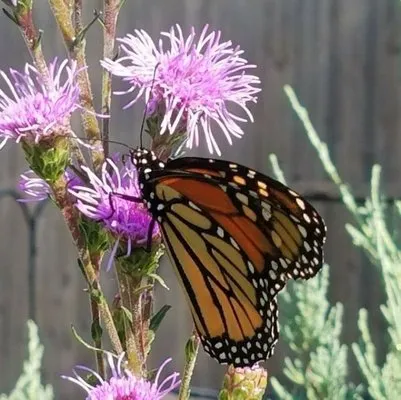
Waterbury Gardens
Waterbury Gardens is a female-owned landscaping business in South Beloit, IL, founded by Jessica in 2015. Honoring her family's legacy—the Waterbury Furnace Company that served the Stateline area from...

Fulton Landscaping is a locally owned and operated business serving South Beloit and the surrounding Winnebago and Rock County areas. Founded in 2019 by Tristen Fulton at just 14 years old, the compan...
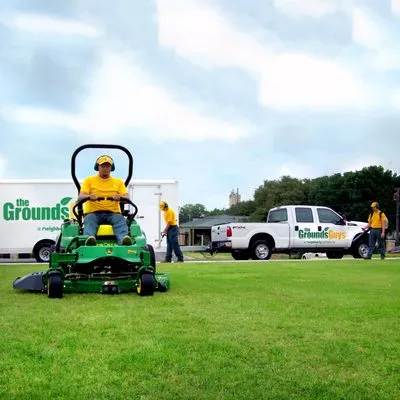
The Grounds Guys of Rockford brings deep-rooted expertise to South Beloit and Winnebago County. Founded in 1987 on principles of excellent workmanship and genuine care, our locally owned operation is ...

Tri-L Landscaping is a trusted local landscaping company serving South Beloit, IL, and the surrounding areas. We specialize in comprehensive lawn and landscape solutions tailored to the specific chall...
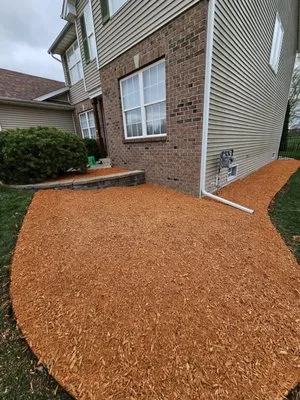
Gardening America is a trusted, full-service landscaping company serving South Beloit, IL, and the surrounding area. We specialize in comprehensive lawn care, professional snow removal, and expert tre...
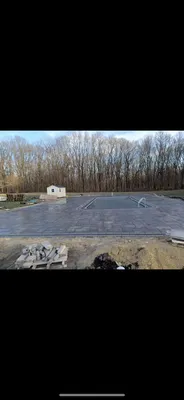
Antonio’s Landscaping Services provides reliable, expert lawn and tree care to South Beloit homeowners. We understand the local challenges, like destructive lawn fungus and costly sprinkler system lea...
We Dem Boys Lawn Service and More is a trusted lawn care provider serving South Beloit, IL, offering reliable and expert services to keep local yards healthy and vibrant. We specialize in comprehensiv...

Stateline Improvement is a trusted South Beloit contractor specializing in landscaping, flooring, and general contracting services. Many local homes face common landscaping challenges like yard draina...
JB & Son's Landscaping is a trusted, family-owned lawn care provider serving South Beloit, IL, and the surrounding Stateline area. With deep roots in the community, we specialize in addressing common ...
Question Answers
Why does my lawn in Riverside Estates struggle with compaction despite regular watering?
South Beloit's 35-year-old residential lots, built around 1991, have Mollisols silt loam soil that has matured without significant organic amendments. This soil type naturally develops dense layers that restrict root growth and water infiltration over decades. Core aeration every 1-2 years is essential to break up compaction and improve soil percolation. Adding compost or biochar increases organic matter content, which enhances soil structure and nutrient availability for Kentucky Bluegrass and Fine Fescue turf.
How quickly can you respond to an emergency tree cleanup after a storm in Riverside Estates?
Our electric maintenance fleet can dispatch from South Beloit City Hall within 20-30 minutes during peak response times. We route via I-39/I-90 to access Riverside Estates efficiently while complying with the 7AM-9PM noise ordinance. This rapid response minimizes property damage and helps meet HOA compliance deadlines for debris removal. Our equipment operates quietly within restricted hours to avoid neighborhood disturbances.
What solutions work for poor drainage in my silt loam soil with seasonal high water tables?
Mollisols silt loam in South Beloit has naturally poor infiltration rates, exacerbating drainage issues during wet periods. Installing permeable concrete pavers or crushed limestone hardscapes creates surfaces that allow water to percolate into the soil rather than runoff. These materials meet South Beloit Community Development Department's stormwater management standards by reducing impervious surface area. French drains or dry creek beds can further direct water away from foundations while maintaining soil stability.
What permits and licenses are required for grading work on my quarter-acre lot?
Grading projects on 0.25-acre lots in South Beloit require permits from the Community Development Department to ensure proper drainage and erosion control. Contractors must hold appropriate licensing through the Illinois Department of Financial and Professional Regulation, specifically for excavation and earth moving operations. Professional licensing ensures compliance with state soil disturbance regulations and proper implementation of sediment control measures. Unlicensed grading can lead to drainage violations, neighbor disputes, and costly remediation requirements.
Are concrete pavers better than wood for patio construction in our climate?
Concrete pavers and crushed limestone offer superior longevity compared to wood in South Beloit's Zone 5b climate with freeze-thaw cycles. These materials withstand temperature extremes without warping, rotting, or requiring chemical treatments. Their non-combustible nature supports the Low Fire Wise rating by creating defensible space without fuel sources. Properly installed permeable hardscapes also manage stormwater runoff more effectively than impervious wood surfaces, reducing erosion and water table impacts.
Can I maintain a healthy lawn under South Beloit's Level 1 water conservation measures?
Smart Wi-Fi ET-based weather sensing irrigation systems automatically adjust watering schedules based on real-time evapotranspiration data. This technology reduces water use by 20-30% while preserving Kentucky Bluegrass and Fine Fescue turf health. The system accounts for rainfall, temperature, and humidity to deliver precise irrigation only when needed. This approach keeps your lawn within voluntary conservation limits without compromising turf quality.
How can I reduce lawn maintenance while preparing for stricter noise regulations?
Replacing high-maintenance turf areas with native plants like Purple Coneflower, Little Bluestem, Butterfly Milkweed, and Wild Bergamot creates resilient landscapes that require minimal intervention. These species are adapted to Zone 5b conditions and need no gas-powered blowers for maintenance. Transitioning to electric equipment now positions your property ahead of potential noise ordinance tightening. Native plantings also support local pollinator populations and reduce water consumption by 50-75% compared to traditional turf.
What invasive species should I watch for and how do I treat them safely?
Garlic mustard and creeping Charlie are common invasive threats in South Beloit that compete with native vegetation. Manual removal before seed set is most effective, followed by spot treatment with approved herbicides if necessary. Always conduct a soil test before any application to ensure compliance with South Beloit's phosphorus prohibition ordinance. Treatment timing should avoid blackout periods when pollinators are most active, typically late spring through early fall. Proper identification prevents unnecessary chemical use that could harm beneficial soil organisms.
