Top Landscaping Services in Shorewood, IL, 60404 | Compare & Call
There are 215 landscaping companies server in Shorewood IL
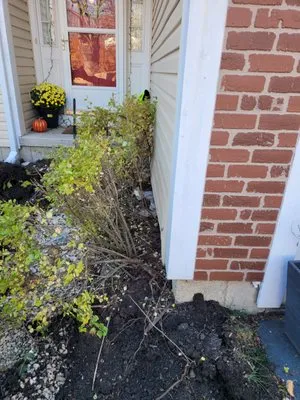
Ricardo Quiroz Landscaping is a locally owned and operated business serving Crest Hill, IL, with over 15 years of experience in comprehensive property care. Founded by Ricardo Quiroz, who personally o...
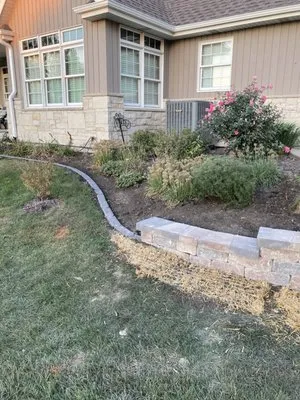
Tz landscaping
TZ Landscaping has been a trusted part of the Shorewood community for years, building a reputation for reliable and creative outdoor solutions. We specialize in transforming local properties with comp...

Fresh Cut Pros is a student-owned lawn care company serving Shorewood, IL, and surrounding communities including Channahon, Joliet, Minooka, and Plainfield. We provide reliable, affordable lawn mainte...

Banon Home Services is a family-owned Plainfield business built on a simple promise: we do what we say we will do. Founded by an owner with a background in biology and business management, our approac...
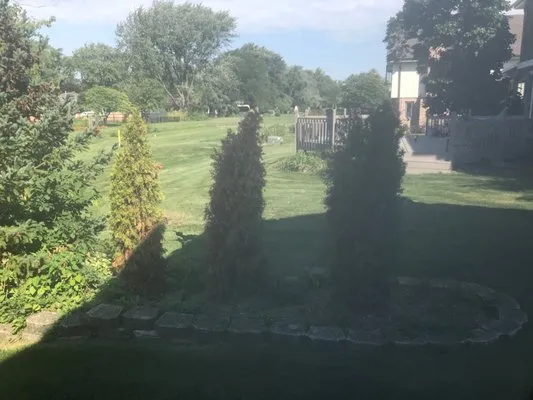
H L Landscape is a trusted landscaping company serving Shorewood, IL, and surrounding areas since 2002. We specialize in comprehensive outdoor solutions, including landscape design, construction, and ...
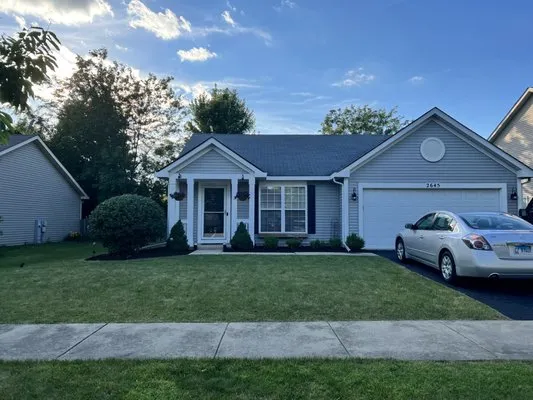
Villa Scapes is a trusted landscaping company serving Joliet, IL, specializing in comprehensive lawn and garden solutions. As experienced landscape architects and designers, we address common local is...

Fazio Landscaping's story is rooted right here in Plainfield. Owner Vince Fazio started by mowing lawns throughout town as a kid, developing a deep understanding of the local soil and climate. His lif...
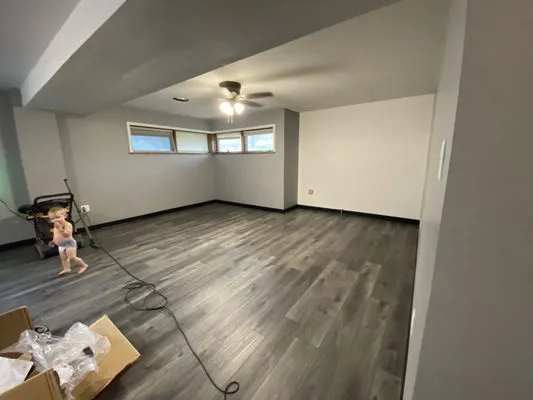
JEG'S Construction is a trusted general contractor serving Joliet, IL, with expertise in remodeling, painting, and landscaping. We specialize in transforming homes through bathroom and kitchen renovat...

True Vision Landscaping & Tree Removal is a trusted, locally-owned business serving Shorewood and the surrounding areas. We believe in building lasting relationships through reliable service and clear...
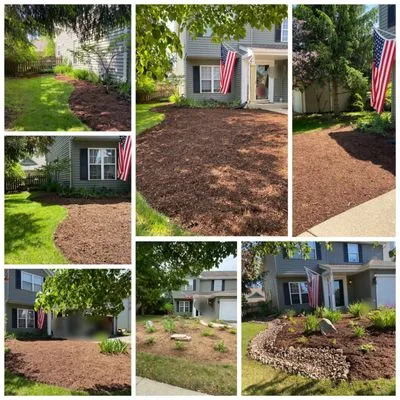
Shreve Services is a trusted landscaping company serving Plainfield, IL, and surrounding communities like Joliet and Naperville since 1984. We specialize in comprehensive property care, including irri...
Estimated Landscaping Service Costs in Shorewood, IL
FAQs
What permits and licenses are needed for landscape grading?
Grading projects on 0.28-acre lots require Shorewood Planning and Zoning Department permits for earth moving exceeding 50 cubic yards. Contractors must hold Illinois Department of Financial and Professional Regulation licensing for excavation work affecting drainage patterns. Professional certification ensures proper slope calculations of 2-5% grade and erosion control measures that prevent sediment runoff into municipal systems. Unlicensed grading risks fines up to $5,000 for code violations.
Are concrete pavers better than wood for Shorewood patios?
Concrete pavers offer 25-30 year lifespan versus wood's 10-15 years in Zone 5b freeze-thaw cycles. Their non-combustible nature supports Low Fire Wise Rating compliance by creating 5-10 foot defensible space zones. Crushed limestone bases provide 95% compaction for stable surfaces that resist heaving from clay soil expansion. Permeable installation methods reduce runoff by 40-50% compared to solid concrete slabs.
What invasive species threaten Shorewood landscapes?
Garlic mustard and creeping Charlie present primary invasion risks in Copley neighborhood soils. Manual removal before seed set in early May prevents spread, while spot treatments with phosphorus-free herbicides target established patches. Application timing avoids the April-June blackout period for fertilizer ordinances. Soil testing every 2-3 years monitors pH levels between 6.5-7.5 to maintain competitive advantage for desirable species.
Can I maintain healthy turf under Stage 1 water restrictions?
Smart Wi-Fi ET-based controllers reduce Kentucky Bluegrass and Tall Fescue water use by 20-30% while preserving turf health. These systems calculate evapotranspiration rates using local weather data, adjusting irrigation to deliver 1-1.5 inches weekly during peak demand. Programming follows voluntary conservation guidelines by skipping cycles after rainfall and reducing runtime during cooler periods. This approach maintains soil moisture at 50-75% field capacity without exceeding municipal limits.
What solutions prevent seasonal ponding in clay soils?
Drummer Silty Clay Loam's low permeability (0.1-0.2 in/hr) requires integrated drainage strategies. French drains with clean gravel and perforated pipe redirect subsurface water, while permeable concrete pavers with 0.25-inch joints allow 3-5 inches per hour infiltration. These systems meet Shorewood Planning and Zoning Department runoff standards by capturing 90% of stormwater from 0.28-acre lots. Grade adjustments of 2% slope direct water away from foundation zones.
Why does my Shorewood lawn have drainage issues despite regular care?
Copley neighborhood properties built around 2002 have approximately 24 years of soil development on Mollisols/Drummer Silty Clay Loam. This soil type naturally compacts over time, reducing permeability to 0.1-0.2 inches per hour. Core aeration every 1-2 years with compost amendments addresses the 40-50% clay content that restricts root penetration beyond 3-4 inches. Organic matter incorporation at 0.5-1 inch depth improves soil structure for better water infiltration.
How quickly can you respond to storm damage for HOA compliance?
Emergency cleanup crews dispatch from Shorewood Towne Center via I-55, reaching Copley neighborhood properties within 20-30 minutes during peak conditions. This response window accommodates debris removal and temporary stabilization to meet municipal code requirements. The route prioritizes arterial roads to bypass residential congestion while maintaining compliance with 7:00 AM to 9:00 PM noise ordinance restrictions.
How can I reduce maintenance while supporting local ecology?
Replacing 30-50% of traditional turf with Purple Coneflower, Little Bluestem, Butterfly Milkweed, and Wild Bergamot creates pollinator habitat while cutting mowing frequency by 40-60%. These natives require no irrigation once established and tolerate USDA Zone 5b temperatures from -15°F to -10°F. Transitioning to electric maintenance equipment aligns with evolving noise ordinance trends, reducing decibel levels by 50-70% compared to gas-powered alternatives.
