Top Landscaping Services in Sheridan, IL, 60551 | Compare & Call

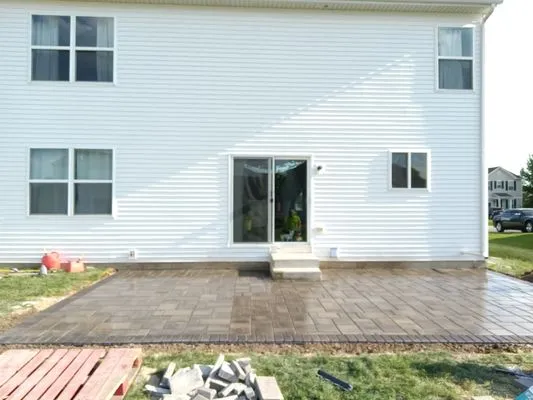
Twins Landscaping & Brick Paving
Twins Landscaping & Brick Paving is a Sheridan-based company dedicated to enhancing and maintaining the beauty and functionality of local properties. We specialize in comprehensive landscape design an...
FAQs
Is crushed limestone or wood mulch better for a long-lasting, fire-smart pathway?
Crushed limestone is superior for longevity and fire resilience. It is a mineral material that will not decompose or require annual replacement like wood mulch. For fire-wise considerations, even in Sheridan's low-risk rating, non-combustible hardscapes like limestone or concrete pavers create critical defensible space by interrupting continuous fuel beds. This inert material also maintains better drainage and does not alter soil pH like some wood products can over time.
I see creeping Charlie taking over. How do I treat it without harming my lawn?
Creeping Charlie (Glechoma hederacea) thrives in compacted, shady areas. Effective control starts with improving turf health through aeration and proper mowing height to crowd it out. For direct treatment, use a selective post-emergent herbicide labeled for broadleaf weeds, applied in fall when the plant is actively transporting nutrients to its roots. Always follow the Illinois Lawn Care Products Application and Notice Act, which restricts phosphorus and mandates proper notice, and avoid applications before forecasted rain to prevent runoff.
I want to reduce mowing and gas equipment noise. What are my options?
Transitioning high-maintenance turf areas to a native plant community is the most effective long-term strategy. Species like Purple Coneflower, Butterfly Milkweed, Little Bluestem, and Wild Bergamot are adapted to Zone 5b and require no weekly mowing, fertilization, or frequent watering. This xeriscaping approach drastically reduces the need for gas-powered blowers and mowers, aligning with emerging noise and emission reduction trends while providing superior habitat for 2026 biodiversity goals.
Our Sheridan Center neighborhood has mature lawns. Why do they still look thin and compacted in spots?
Homes here average 70 years old, meaning the original, unamended silt loam soil has been in place since 1956. Decades of foot traffic and conventional mowing have degraded soil structure, reducing pore space for air and water. The native silt loam has moderate permeability, but compaction from this history leads to poor infiltration and a shallow root zone. Core aeration and top-dressing with compost are critical to rebuild organic matter and restore the soil's natural percolation rate.
If a storm brings down a large limb, what is your typical emergency response time?
For an emergency cleanup in Sheridan, our standard dispatch routes from our base near Silver Springs State Park via IL-71. During peak traffic, we plan for a 45-60 minute arrival window to account for congestion and safe transport of equipment. We prioritize securing the site and clearing hazards for safety before beginning systematic debris processing. This logistical planning ensures reliable service despite the rural-to-suburban transit corridor.
We have no water restrictions now, but is my traditional sprinkler schedule wasteful?
Yes, preset timers often overwater, especially on silt loam with variable infiltration. Modern smart Wi-Fi weather-based controllers use local evapotranspiration (ET) data to apply precise amounts. This technology automatically adjusts for rain, humidity, and wind, delivering water only when your Kentucky Bluegrass and Tall Fescue turf needs it. This conserves municipal water, reduces runoff, and promotes deeper, drought-resilient roots, future-proofing your landscape against potential restrictions.
What permits and credentials should I verify for a patio installation and regrading project?
Any significant regrading or impervious surface installation on a 0.35-acre lot likely requires a permit from the Sheridan Village Clerk and LaSalle County Planning & Zoning to comply with stormwater ordinances. The contractor must hold an active license from the Illinois Department of Financial and Professional Regulation. For projects involving drainage, structural work, or electrical for lighting, specific professional endorsements are required to ensure the work meets building code and environmental standards, protecting your property investment.
Our backyard stays soggy long after rain. What's the cause and a lasting fix?
This is a classic symptom of Sheridan's seasonal high water table combined with compacted silt loam, which has naturally poor infiltration. Surface grading and French drains are common solutions. For patios or paths, using permeable materials like open-graded crushed limestone or spaced concrete pavers allows water to percolate into the subsoil, reducing runoff. These systems often require a review by the LaSalle County Planning & Zoning to ensure they meet current stormwater management standards.
