Top Landscaping Services in Selby, IL, 61322 | Compare & Call

There are 53 landscaping companies server in Selby IL
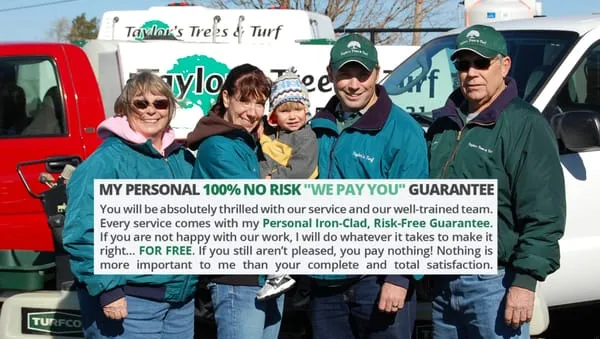
Taylor's Way is a family-owned, Princeton-based company with deep roots in the community, founded by Clarence 'Buster' Taylor and his father Phil in 1966. Starting as a simple mowing service, it has g...

D&D Property Pros is your local, full-service partner for excavation, landscaping, and demolition in Princeton, IL. We specialize in a comprehensive range of services designed to handle projects of an...
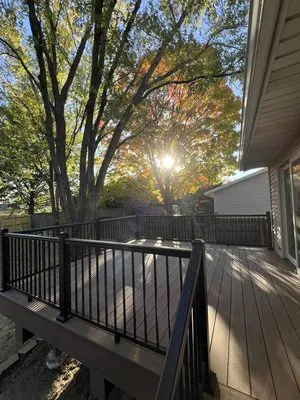
Bollinger Fence & Deck has been serving the Kewanee community for years, providing reliable outdoor solutions for homeowners and businesses. We specialize in transforming and protecting your property ...

TC Landscaping & Snow is a locally owned and operated business serving Abingdon and Central Illinois with reliable landscaping and snow removal services. We specialize in addressing common local chall...
Teddy's Landscaping is a trusted, locally-owned landscaping company serving Maple Park, IL, and the surrounding communities. We specialize in diagnosing and solving common local lawn problems like bar...
Hometown Handyman is your trusted local expert in Galesburg, IL, specializing in comprehensive outdoor maintenance solutions. We understand that Galesburg homeowners frequently face frustrating landsc...
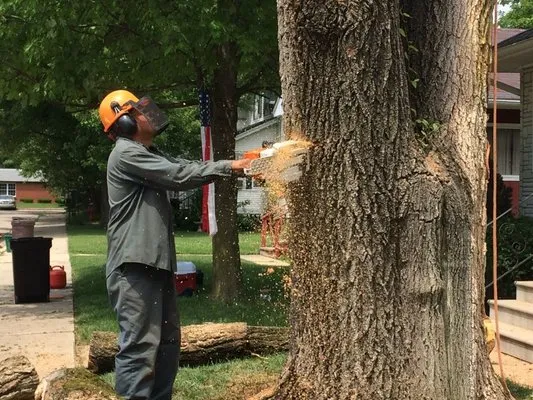
River Landscaping & Tree Service
River Landscaping & Tree Service is a family-owned business serving Ladd, IL, and surrounding areas with comprehensive outdoor solutions. We specialize in tree services, landscaping, and masonry/concr...
Anne's Garden Center has been a trusted gardening resource in Dixon, IL since 1991, specializing in plants and landscaping products adapted to northern Illinois' climate. As a Proven Winners Certified...
All in One Land and Labor Services is a Compton-based company providing essential property maintenance solutions, including pressure washing, landscaping, and moving services. We specialize in address...
Grass Monkeys Tree And Lawn Care is a trusted local provider serving Geneseo, IL, with comprehensive tree and lawn services. We specialize in firewood, lawn care, tree care, cabling/bracing, disease a...
Estimated Landscaping Service Costs in Selby, IL
Q&A
Do I need a permit to regrade my backyard, and what kind of contractor should I hire?
Regrading a 0.25-acre lot, especially in the Selby Historic District, often requires a permit from the Bureau County Zoning & Planning Department to ensure altered drainage patterns do not adversely affect neighboring properties. The work must be performed by a professional licensed through the Illinois Department of Financial and Professional Regulation. This licensing ensures the contractor carries proper insurance and understands the structural and hydrological implications of moving soil on properties with existing drainage challenges.
How quickly can you respond for an emergency storm cleanup to meet an HOA compliance notice?
Our standard peak storm response window is 20-30 minutes for properties in the Selby Historic District. We dispatch electric maintenance vehicles from our staging area near Selby Community Park, using US-6 for direct access. This allows us to operate within the local noise ordinance hours of 8am to 8pm without restriction. We prioritize safety debris removal and initial tarping to secure the property and halt further violation accruals immediately.
Are concrete pavers a better choice than a traditional wood deck for a new patio?
Concrete interlocking pavers offer superior longevity and lower lifetime maintenance compared to wood, which requires regular sealing and is susceptible to rot. In Selby's Low Fire Wise Rating environment, pavers also provide a non-combustible defensible space immediately adjacent to the home, a prudent safety consideration. Their modular design allows for frost-heave resistance and easy repair of individual units, making them a durable and practical investment for our climate.
Why does the soil in my Selby Historic District yard seem so dense and hard to work with?
Homes built in the 1958-era development of this neighborhood were typically constructed on native, undisturbed Silty Clay Loam. This soil type, with a near-neutral pH of 6.8, has been compacted by nearly 70 years of standard maintenance, limiting root penetration and water infiltration. The primary issue is not pH but low permeability, leading to the seasonal waterlogging common here. Annual core aeration and top-dressing with compost are essential to rebuild soil structure and improve subsoil infiltration for healthy plant growth.
My yard holds water for days after a rain. What's a permanent solution that also looks good?
Moderate seasonal waterlogging in Selby is directly caused by the poor subsoil infiltration of Silty Clay Loam. A graded French drain system channeling water away from the foundation is the first step. For new patios or walkways, specify permeable concrete interlocking pavers. This hardscape material allows stormwater to infiltrate on-site, meeting modern runoff standards enforced by the Bureau County Zoning & Planning Department, while providing a stable, attractive surface.
How can I maintain my Kentucky Bluegrass and Tall Fescue lawn responsibly if voluntary water conservation is in effect?
Smart Wi-Fi Soil Moisture Sensor Controllers are the definitive solution for balancing turf health with conservation. These systems apply water based on actual evapotranspiration (ET) rates and root-zone moisture, not a fixed schedule. This prevents overwatering your Silty Clay Loam, which exacerbates drainage issues. By irrigating only when needed, typically in the early morning, you can maintain turf vigor while reducing total municipal water use by 20-40%, aligning perfectly with voluntary conservation goals.
I'm tired of weekly mowing. What are my options for a lower-maintenance, eco-friendly yard?
Transitioning sections of high-input turf to a climate-adaptive xeriscape featuring native plants is a strategic long-term solution. Species like Purple Coneflower, Little Bluestem, and Butterfly Milkweed are adapted to Zone 5b and require no irrigation once established, no weekly mowing, and minimal fertilization. This shift reduces dependency on gas-powered equipment, future-proofing your property against tightening noise ordinances and supporting 2026 biodiversity standards for pollinators.
What should I do if I spot invasive species like creeping bellflower or garlic mustard in my garden?
Early and persistent mechanical removal is critical for invasive species control. Dig out the entire root system of plants like creeping bellflower before they set seed. For larger infestations, a targeted, systemic herbicide applied in fall when natives are dormant can be effective. Importantly, any fertilizer used in follow-up care must comply with the statewide phosphorus ban; use only phosphorus-free products to amend soil after removal without violating regulations.
