Top Landscaping Services in Scott, IL, 61020 | Compare & Call
There are 111 landscaping companies server in Scott IL

Fox Lawn Service is your trusted local expert in Winchester, IL, dedicated to creating and maintaining beautiful, functional outdoor spaces. We understand the common local challenges like patchy sprin...
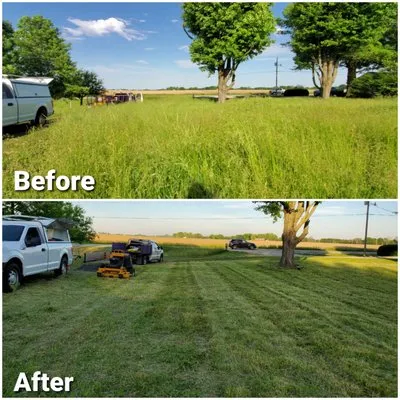
JAR Landscaping is a women-owned landscaping company in Athens, IL, founded in May 2017 by twin sisters Jacqueline and Abbigail Stuebs. Both owners are pursuing degrees in Horticulture with a concentr...
A-1 Landscaping and More is a trusted local landscaping company serving Warsaw, IL, and the surrounding areas. We specialize in addressing common local landscaping challenges, such as moss growth in l...
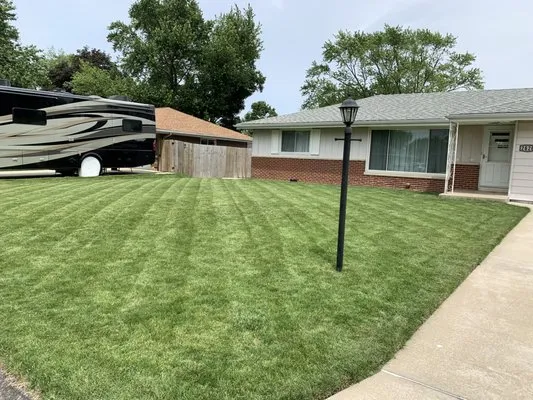
DMB Landscaping is a locally owned and operated lawn service in Peoria, IL, founded by Peoria native David in 2022. Born from a lifelong passion for the outdoors and community, the business is built o...
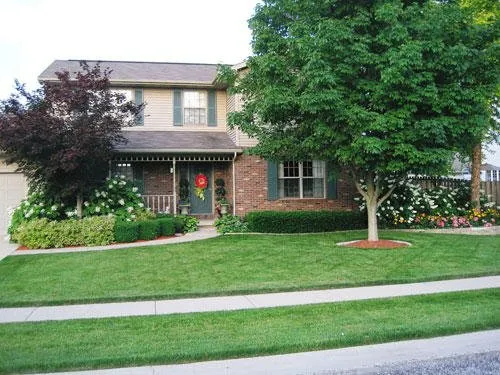
Hembrough Tree & Lawn Care
Since 1955, Hembrough Tree & Lawn Care has been a trusted partner for Jacksonville and West Central Illinois homeowners. The family-founded business started by helping the community through the Dutch ...
Superior Landscape Maintenance is your trusted local partner for lawn care in Roodhouse, IL. We specialize in diagnosing and resolving the common landscaping challenges faced by area homeowners, such ...
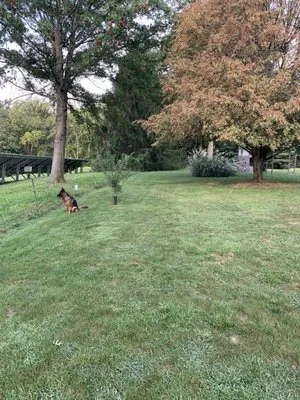
Schmedeke Brian Mowing & Landscaping is your local Morrisonville expert for a healthy, beautiful yard. We understand the common local challenges of lawn insect damage and overgrown shrubs that can det...
Leffler's Landscaping is a trusted, locally-owned Quincy landscaping company dedicated to solving common yard challenges for homeowners across Adams County. We understand the specific issues that affe...
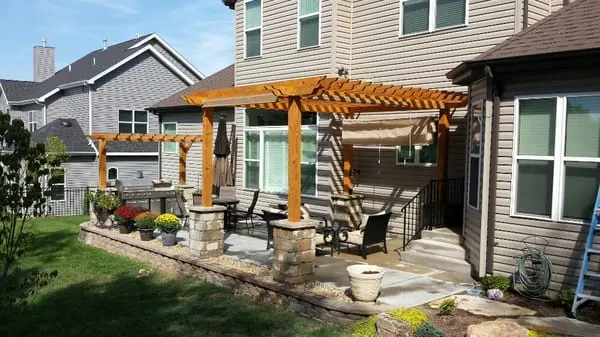
Dreamscapes Outdoor Services
Dreamscapes Outdoor Services helps Collinsville homeowners transform their yards into lasting outdoor retreats. We listen to your vision, then apply our expertise in hardscaping, planting, and lightin...
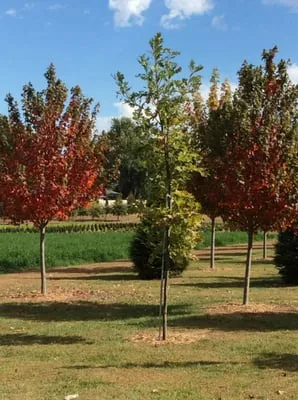
Frese Ornamental Nursery in Quincy, IL, is a family-owned business with roots stretching back seven generations, representing a deep and enduring commitment to the local landscape. Operating from over...
Estimated Landscaping Service Costs in Scott, IL
Question Answers
How should I manage invasive species without harming my garden?
Common invasive alerts in Scott include Japanese knotweed and garlic mustard, which compete with native vegetation. Manual removal before seed set proves most effective, avoiding chemical treatments during State Stormwater Nutrient Management Compliance blackout dates. Targeted herbicide applications, when necessary, should use EPA-approved formulas at recommended rates. Always verify treatment timing against local ordinance schedules to prevent runoff violations.
What permits and licenses are needed for landscape grading work?
Grading on 0.25-acre lots in Scott requires permits from the St. Clair County Planning & Zoning Department, particularly when altering drainage patterns or adding impervious surfaces. Contractors must hold appropriate licensing through the Illinois Department of Financial and Professional Regulation, ensuring compliance with erosion control standards. Professional oversight prevents violations of state stormwater regulations and ensures proper soil compaction testing. Always verify current requirements before commencing earthwork projects.
Why does my Scott yard have drainage issues despite regular watering?
Scott Air Force Base Residential District homes built around 1997 have soil that has matured for approximately 29 years. The silt loam topsoil, with a pH of 6.5-7.2, often develops clay subsoil compaction from decades of foot traffic and equipment use. This compaction reduces soil percolation, creating poor infiltration zones. Core aeration and organic amendments like compost are necessary to restore soil structure and improve water movement.
How quickly can you respond to an emergency tree cleanup after a storm?
Emergency cleanup crews dispatch from the Scott Air Force Base Main Gate area, taking I-64 to reach most Scott neighborhoods. During peak storm conditions, arrival typically occurs within 20-30 minutes. This response time accommodates HOA compliance deadlines while adhering to standard noise ordinance hours of 7:00 AM to 9:00 PM. Electric equipment fleets enable quieter operation during extended cleanup windows.
Can I maintain Tall Fescue turf while following water conservation guidelines?
Voluntary conservation stages in Scott allow responsible irrigation when using Wi-Fi ET-based weather sensing technology. These systems calculate evapotranspiration rates to deliver precise water amounts, typically reducing usage by 20-30% compared to traditional timers. Tall Fescue requires approximately 1-1.5 inches weekly during peak growth, which ET-based systems can schedule during optimal absorption periods. This approach maintains turf health while staying within municipal water limits.
Are there alternatives to weekly mowing that reduce maintenance noise?
Replacing high-maintenance turf with native plantings like Purple Coneflower, Little Bluestem, Butterfly Milkweed, and Wild Bergamot creates biodiverse landscapes requiring minimal care. These species adapt to USDA Zone 6b conditions without frequent mowing or gas-powered equipment. Transitioning to electric maintenance fleets aligns with evolving noise ordinance expectations while supporting 2026 biodiversity standards. Native plant communities also provide habitat for pollinators throughout the growing season.
Which hardscape materials last longest in Scott's climate?
Concrete pavers outperform wood in longevity, resisting moisture damage and insect infiltration common in Illinois' variable climate. Their non-combustible nature supports Moderate Wildland-Urban Interface fire-wise ratings by creating defensible space around structures. Properly installed paver systems with polymeric sand joints maintain stability through freeze-thaw cycles. This material choice reduces long-term replacement costs while meeting aesthetic and functional requirements.
What solutions exist for yards with persistent standing water?
Poor infiltration in Scott's silt loam soils results from clay subsoil compaction beneath the surface layer. Installing French drains or dry wells addresses immediate water displacement, while soil amendments improve long-term permeability. Concrete pavers with permeable joints or gravel bases can replace solid surfaces to meet St. Clair County Planning & Zoning Department runoff standards. These modifications increase groundwater recharge while preventing erosion on 0.25-acre lots.
