Top Landscaping Services in Rushville, IL, 62681 | Compare & Call
There are 89 landscaping companies server in Rushville IL
Aftermath Services in Canton, IL, is a dedicated landscaping partner for local homeowners. We specialize in resolving common local challenges like patchy, unhealthy lawns and the mess left behind by M...
Pro Solutions Landscaping
Pro Solutions Landscaping, based in Monmouth, Illinois, is a dedicated local service provider for Peoria and the surrounding areas. We focus on bringing personalized outdoor visions to life, working o...
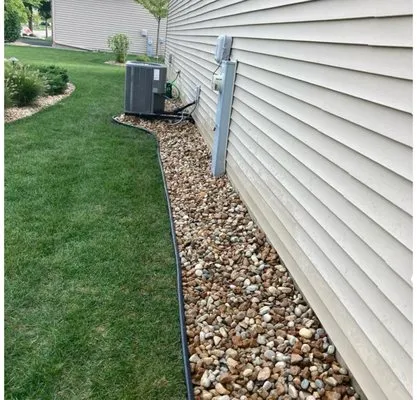
Rogue Landscaping is a Veteran-owned lawn service and landscape design company based in Virginia, IL, serving the needs of Central Illinois homeowners. We combine a high level of skill with a practica...
Emerald Lawn Care & Landscaping is your local Payson, IL, partner for a resilient and beautiful landscape. We understand the specific challenges homeowners face here, from frustrating irrigation timer...
Craig's Cozy Lawns is a trusted lawn care provider serving homeowners in Havana, IL. We specialize in comprehensive lawn care services designed to address common local landscaping challenges like poor...
Long Oliver Co Inc Lawn Mower is a trusted, locally-owned landscaping resource in Mount Sterling, IL. We understand the common challenges homeowners face, such as soil compaction and bare patches, whi...
John's Lawn Care provides professional lawn care services for homeowners in Virginia, IL. We understand the common local challenges, such as persistent lawn fungus and unsightly bare patches, which ca...
K.M.E. is a trusted, locally-owned provider of comprehensive lawn care and snow removal services for homeowners in Rushville, IL. We understand the specific challenges that Rushville properties face, ...
Ford Lawn Care is a trusted, locally-owned lawn service and snow removal company serving the Lewistown, IL community. We understand the common landscaping challenges local homeowners face, like dealin...
Estimated Landscaping Service Costs in Rushville, IL
Frequently Asked Questions
My yard has seasonal ponding. What's a permanent solution?
Moderate ponding in low-lying areas is common with silt loam due to its moderate permeability. A layered approach is best: first, regrade to create positive slope away from foundations. Then, install a French drain system to intercept subsurface water. For hardscape areas, using permeable concrete pavers or an open-graded crushed limestone base increases infiltration, helping manage runoff and often meeting Schuyler County Zoning Department standards for on-site water management.
Is there a lower-maintenance alternative to my traditional lawn?
Yes, transitioning high-input turf areas to a native plant community is a forward-thinking strategy. Species like Purple Coneflower, Butterfly Milkweed, Little Bluestem, and Wild Bergamot are adapted to Zone 5b conditions and require no mowing, minimal watering, and no synthetic fertilizers. This shift reduces maintenance costs, supports local pollinators, and aligns with evolving municipal trends that increasingly restrict gas-powered blowers and mowers due to noise and emissions.
Are concrete pavers a better choice than wood for a new patio?
For longevity and low maintenance in Rushville's climate, concrete pavers are superior. They resist frost heave, do not rot or splinter, and have a lifespan decades longer than wood. Their modular design allows for easy repair and excellent permeability when installed correctly. In terms of fire safety, which is relevant for future-proofing despite our current low Fire Wise rating, pavers and crushed limestone provide excellent non-combustible, defensible space immediately adjacent to the home.
How quickly can you respond for an urgent HOA compliance cleanup?
For emergency cleanups, we prioritize dispatch from our central staging area near the Schuyler County Courthouse. Using US Route 67, our electric fleet can typically reach properties in the Historic Downtown district within the standard 15-20 minute municipal response window. This allows for rapid addressing of storm debris, ordinance violations, or pre-event preparations without the noise of gas equipment during quiet hours.
How do I keep my lawn green without wasting water or violating restrictions?
Effective irrigation in Rushville relies on precise timing and technology. Installing a smart Wi-Fi soil moisture sensor controller prevents overwatering by scheduling irrigation based on actual soil conditions and evapotranspiration (ET) rates. This system is ideal for maintaining your Kentucky Bluegrass and Tall Fescue blend, as it delivers water only when needed, conserving resources even without formal restrictions. Deep, infrequent watering cycles encourage deeper root growth and greater drought tolerance.
What invasive species should I watch for, and how do I control them safely?
Common invasive alerts in our area include Japanese knotweed, garlic mustard, and bush honeysuckle. Manual removal is effective for small infestations. For chemical control, use a targeted, systemic herbicide applied in late fall when natives are dormant, strictly following label instructions. Be mindful of statewide phosphorus application restrictions; most invasive treatments do not require fertilizer, but any soil amendment must be phosphorus-free unless a soil test confirms a deficiency.
What permits and credentials are needed for regrading my yard?
Regrading a 0.25-acre lot that alters water flow typically requires a permit from the Schuyler County Zoning Department. More critically, any contractor performing this work must hold appropriate licensing through the Illinois Department of Agriculture for landscape contracting, which includes proof of insurance. This ensures the work complies with local erosion control and drainage ordinances, protecting you from liability and future property damage due to improper grading.
Why does my yard in Historic Downtown have such heavy, compacted soil?
Homes built in the 1960s, like many in this area, have soil that has matured over 60 years without significant intervention. The prevalent silt loam is prone to compaction from foot traffic and machinery, reducing oxygen and water percolation. Core aeration every 1-2 years is critical to relieve this compaction. Incorporating a top-dressing of composted organic matter will further improve soil structure and microbial activity for healthier plant growth.
