Top Landscaping Services in Roodhouse, IL, 62082 | Compare & Call
There are 14 landscaping companies server in Roodhouse IL

Lawn Badger is a Jerseyville-based lawn service dedicated to consistent, quality results for local homes. Our focus is on thorough, reliable care, including precise mowing, detailed trimming, clean ed...
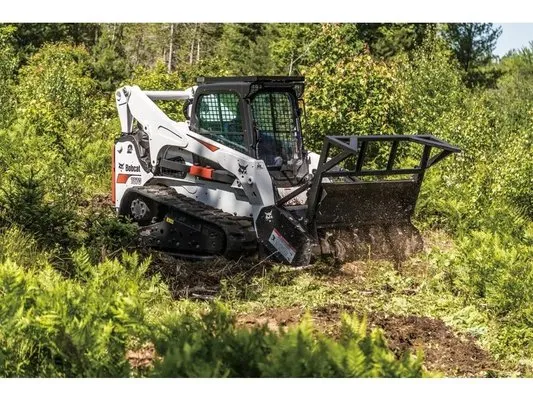
Asgaill Forestry is a Brighton, IL-based landscaping and tree services company dedicated to enhancing local outdoor spaces. We specialize in comprehensive solutions including earthmoving, driveway con...
Lovekamp Lawn Services is a trusted local provider in Murrayville, IL, specializing in comprehensive lawn, gutter, and tree care. With a focus on practical solutions for the community, we address comm...
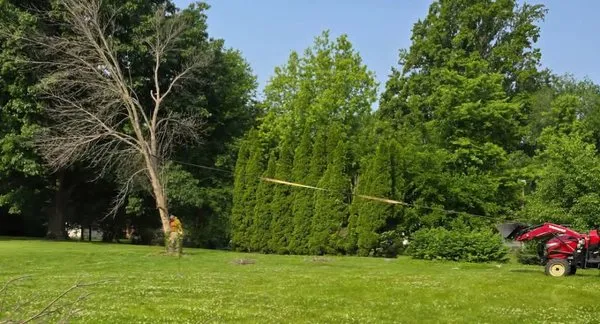
American Pride Tractor Services & Power Washing
American Pride Tractor Services & Power Washing is your local Arenzville expert for excavation, land grading, and lawn care. We understand the common local issues of landscape edging damage and sprink...
Estimated Landscaping Service Costs in Roodhouse, IL
Common Questions
We need emergency storm cleanup to meet HOA compliance deadlines. How quickly can a crew respond?
Emergency response from Roodhouse City Park via US Route 67 typically requires 20-30 minutes during peak conditions. Crews prioritize routes with minimal residential disruption while adhering to standard noise ordinance hours of 7:00 AM to 9:00 PM. Electric maintenance equipment reduces acoustic impact during early morning operations. This dispatch strategy ensures timely debris removal while maintaining neighborhood compliance standards.
What permits and licensing are required for significant grading work on our 0.22-acre lot?
Grading that alters water flow patterns or involves substantial earth moving requires approval from the Roodhouse City Clerk/Zoning Department. Contractors must hold appropriate licensing through the Illinois Department of Agriculture, particularly for work affecting drainage or involving soil amendments. On 0.22-acre lots, even modest grading can impact neighboring properties, making professional oversight essential. Unpermitted grading can result in fines and mandatory restoration at the property owner's expense.
We want to reduce mowing and maintenance while supporting local ecology. What native options work here?
Transitioning high-maintenance turf to native plantings like Purple Coneflower, Little Bluestem, Butterfly Milkweed, and Wild Bergamot creates resilient, low-input landscapes. These species require minimal watering once established and provide critical habitat for pollinators. Electric maintenance equipment aligns with evolving noise ordinances while eliminating gas emissions. Native plantings typically reduce maintenance frequency by 60-80% compared to traditional turf management.
We're considering patio materials. How does crushed limestone compare to wood for longevity and safety?
Crushed limestone offers superior longevity with minimal maintenance compared to wood, which requires regular treatment against rot and insects. In Roodhouse's low Fire Wise rating area, non-combustible materials like limestone and concrete pavers provide inherent defensible space advantages. These materials also maintain better drainage characteristics and don't require chemical preservatives that can leach into soil. Properly installed limestone surfaces can last decades with only occasional leveling.
How can we maintain Kentucky Bluegrass or Tall Fescue without wasting water during dry periods?
Soil moisture sensor-based controllers optimize irrigation by measuring actual soil conditions rather than following fixed schedules. These systems adjust watering based on evapotranspiration rates and soil percolation data. While Roodhouse has no mandatory water restrictions, voluntary conservation through smart technology preserves turf health while reducing municipal water consumption by 30-50%. Properly calibrated sensors prevent both underwatering stress and oversaturation that leads to fungal issues.
Our Central Roodhouse yard seems compacted and drains poorly. Could this be related to the age of our property?
Properties built around 1955 in Central Roodhouse have approximately 71 years of soil development. Silt loam soils in this neighborhood naturally compact over decades, reducing permeability and creating drainage issues. Core aeration every 2-3 years is essential to improve soil structure and oxygen availability. Incorporating organic amendments like compost can enhance water retention while maintaining the optimal pH range of 6.5-7.2 for most turf and native species.
Our yard experiences moderate seasonal pooling in low areas. What solutions work with our soil type?
Silt loam's moderate permeability requires strategic drainage interventions. French drains with gravel bedding can redirect subsurface water, while permeable crushed limestone pathways allow surface infiltration. Concrete pavers with wider joints facilitate better water movement than solid surfaces. The Roodhouse City Clerk/Zoning Department typically approves these solutions as they meet municipal runoff standards without requiring extensive grading permits for most residential applications.
What invasive species should we watch for, and how do we treat them safely?
Common invasive alerts include Japanese knotweed, garlic mustard, and multiflora rose, which compete with native vegetation. Treatment requires careful timing outside of Illinois' phosphorus-free fertilizer blackout periods unless soil testing indicates specific deficiencies. Mechanical removal followed by targeted organic herbicides prevents chemical runoff into waterways. Regular monitoring during April's peak mulching season helps identify new invasions before they establish extensive root systems.
