Top Landscaping Services in Romeoville, IL, 60439 | Compare & Call
There are 236 landscaping companies server in Romeoville IL
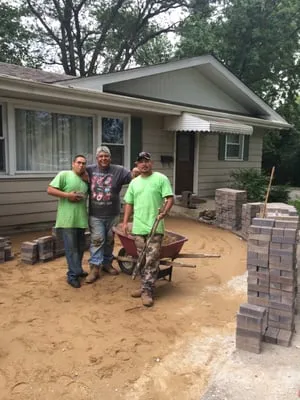
G & G Landscaping is a dedicated Wheaton-based landscaping company focused on solving the specific lawn and yard challenges common to the area. Many local homeowners struggle with issues like moss ove...
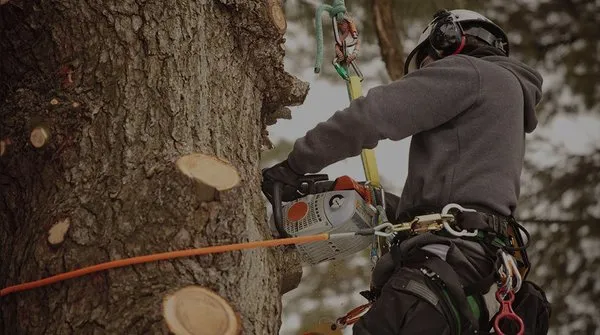
Tony's Tree Care is a Bolingbrook-based tree service and landscaping company dedicated to enhancing outdoor spaces for local homeowners. We specialize in comprehensive solutions for common landscaping...
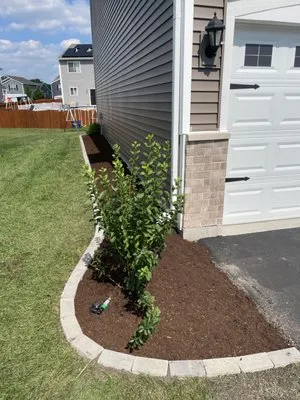
LG Landscaping is a trusted local landscaping company serving West Chicago, IL, specializing in landscape maintenance and lawn care. We understand the common local challenges homeowners face, such as ...

Proa Landscaping is your trusted, local partner for creating and maintaining a healthy, beautiful landscape in Bolingbrook, IL. We specialize in comprehensive shrub care and landscape maintenance, off...

Quick Cut Lawn Care is a locally-owned lawn service company dedicated to maintaining the beauty and health of lawns across Bolingbrook, Naperville, and Woodridge. We specialize in a comprehensive rang...
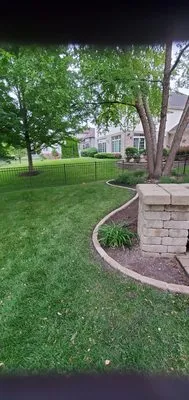
Landmark Landscaping
Landmark Landscaping has been Minooka's trusted, licensed landscaping specialist since 1985, serving all of Will County. We provide a complete range of services, from initial design to final installat...
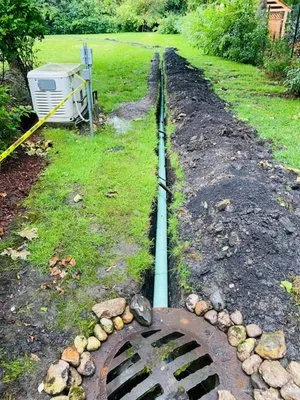
Tommy Pollina Landscape Company
Tommy Pollina Landscape Company is a Mount Prospect family-owned business that has been enhancing Chicagoland properties since 1982. We provide a full-service experience, guiding clients from initial ...
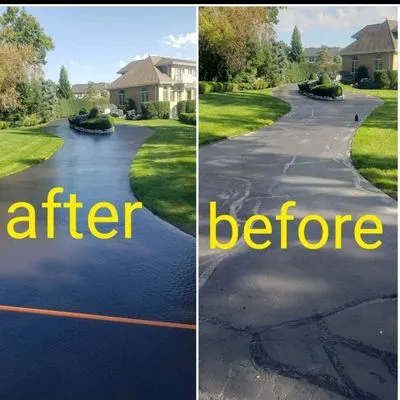
Saul Landscaping is your trusted local partner for year-round outdoor care in Wheeling, IL. We provide reliable landscape maintenance, lawn care, snow removal, and tree services tailored to our commun...

Dobbelare Distributing is a locally-owned and operated business serving Lockport and the greater Chicago area. Founded by Scott Dobbelare, who started delivering firewood and mulch with his dad while ...
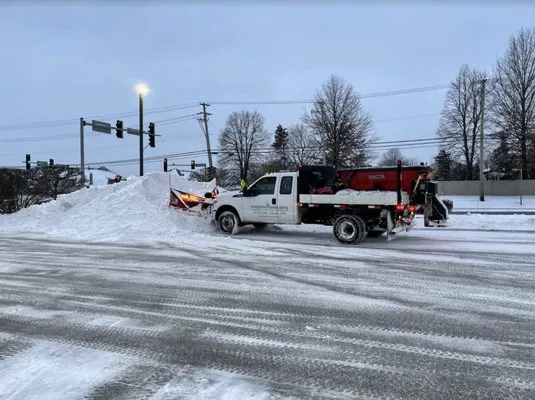
Straightline Landscaping & Lawn Maintenance
Straightline Landscaping & Lawn Maintenance has been serving Homer Glen and the Southwest Chicago suburbs for nearly three decades, building a reputation for reliable, detailed work. As a locally owne...
Estimated Landscaping Service Costs in Romeoville, IL
FAQs
Are concrete pavers better than wood for patio materials in our climate?
Concrete pavers and crushed limestone offer superior longevity to wood in Romeoville's freeze-thaw cycles, lasting 25+ years versus wood's 10-15 year lifespan. These materials maintain structural integrity without rotting or warping. For fire-wise considerations in low-risk urban interfaces, they provide non-combustible defensible space while allowing proper drainage through permeable installation methods.
How do I control invasive species without violating fertilizer regulations?
Common Romeoville invasives like garlic mustard and buckthorn require targeted mechanical removal before seed set. The Illinois Phosphorus Application Act prohibits phosphorus application unless soil tests indicate deficiency, typically not needed for invasives. Instead, apply mycorrhizae-rich compost to strengthen native plant competition, and use organic herbicides only during permitted application windows to avoid ordinance violations.
Why does my Lakewood Falls lawn have drainage issues and compacted soil?
Romeoville's Drummer Silty Clay Loam soil naturally has high clay content and low permeability. In Lakewood Falls, where homes average 28 years old since 1998 construction, soil maturity remains limited without intervention. This soil type requires annual core aeration to improve percolation and organic amendments like compost to enhance structure. Without these practices, seasonal ponding and root zone compaction become persistent problems.
What solutions prevent seasonal ponding in my low-lying yard areas?
Drummer Silty Clay Loam's high clay content causes poor drainage in Romeoville's flat topography. Installing permeable concrete pavers or crushed limestone hardscapes increases surface permeability by 40-50%. These materials meet Romeoville Building Department runoff standards while directing water away from structures. For severe cases, French drains with clean gravel layers provide subsurface relief.
What permits and licensing are required for grading my 0.22-acre property?
The Romeoville Building Department requires grading permits for any significant earth movement, especially on 0.22-acre lots where runoff affects neighboring properties. Contractors must hold Illinois Department of Financial and Professional Regulation landscaping licenses for work exceeding $1,000. Proper licensing ensures compliance with soil erosion controls and adherence to Drummer Silty Clay Loam-specific engineering standards.
How quickly can you respond to an emergency storm cleanup for HOA compliance?
Our electric maintenance fleet operates within Romeoville's 7:00 AM to 9:00 PM noise ordinance window. From Romeoville Village Hall, we dispatch via I-55 to reach Lakewood Falls within 20-30 minutes during peak conditions. This routing ensures timely debris removal and turf restoration to meet neighborhood aesthetic standards while maintaining quiet operation.
How do I keep my Kentucky Bluegrass and Tall Fescue healthy under Stage 1 water restrictions?
Smart-controller Wi-Fi ET-based irrigation systems calculate evapotranspiration rates to apply water only when needed. These controllers adjust schedules based on real-time weather data, reducing water use by 20-30% compared to traditional timers. This approach maintains turf health while staying within municipal limits, and can be calibrated for Romeoville's 5b hardiness zone growing conditions.
Should I replace some lawn with native plants to reduce maintenance?
Transitioning high-maintenance turf to Purple Coneflower, Little Bluestem, Butterfly Milkweed, and Wild Bergamot reduces water needs by 70-80%. These natives thrive in Romeoville's 5b zone without fertilizers, aligning with electric equipment trends ahead of gas-blower restrictions. This xeriscaping approach supports 2026 biodiversity standards while cutting mowing frequency from weekly to seasonal.
