Top Landscaping Services in Rolling Meadows, IL, 60008 | Compare & Call

Jose A C Landscaping Service is a trusted local provider in Rolling Meadows, IL, specializing in landscaping and snow removal. We help homeowners tackle common local issues like moss growth in lawns a...
Miller and Son Landscaping has been a trusted local landscaping provider in Rolling Meadows, IL, and the Northwest Suburban Chicago area for over 30 years. Founded by David, the family-owned business ...

Krueger Landscaping is a trusted local landscaping company serving Rolling Meadows, IL, and the surrounding areas. We specialize in comprehensive shrub care and landscape maintenance, helping homeowne...
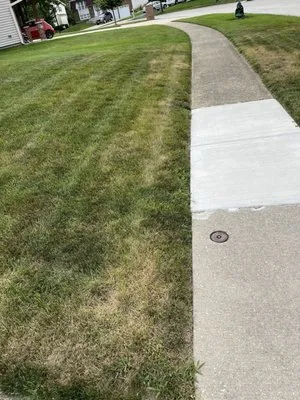
SpringGreen has been serving Rolling Meadows and the surrounding communities for over 45 years, providing reliable lawn care, pest control, and tree services. As a local, family-owned business, we und...
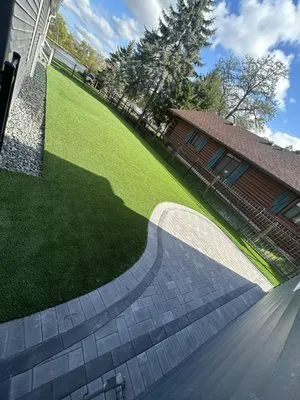
RSA Turf Installations is a trusted local contractor in Rolling Meadows, IL, specializing in artificial turf, landscaping, and masonry/concrete services. We help homeowners address common local landsc...

Salazar Landscaping is your trusted, local partner for a healthier, more beautiful outdoor space in Rolling Meadows, IL. We understand the common frustrations homeowners face, such as unsightly bare p...

J C LANDSCAPING is a trusted, locally-owned landscaping company serving Rolling Meadows, IL, and the surrounding areas. With years of experience in the local climate and soil conditions, we specialize...
Common Questions
Are concrete pavers a better choice than wood for a new patio?
In Zone 5b, concrete pavers offer superior longevity and freeze-thaw resistance compared to wood, which decays. Their modular design allows for permeability and easy repair. Crushed limestone paths also provide excellent drainage. In our low Fire Wise urban setting, these non-combustible materials are a safe choice, though maintaining clear defensible space around the home remains a prudent practice.
What invasive species should I watch for, and how do I control them?
Be alert for creeping Charlie, garlic mustard, and Japanese knotweed. Manual removal is effective for small infestations. For chemical control, use a selective, phosphorus-free herbicide to comply with the Illinois Phosphorus Fertilizer Ban, and only apply during the plant's active growth phase. Never treat near Swamp Milkweed or other natives to protect pollinators. Correct identification is essential before any action.
How fast can you respond to an urgent HOA compliance notice?
For emergency cleanup or compliance work, we dispatch from the Rolling Meadows Community Center. Using I-90, our peak storm response time to Meadows Crossing is 20-30 minutes. Our electric maintenance fleet meets standard noise ordinances, allowing for immediate work without violating community rules. We prioritize such calls to resolve violations before fines are issued.
Why does my soil seem so compacted and lifeless?
Properties in Meadows Crossing, developed around 1971, have 55-year-old soils. This long period of typical lawn maintenance has compacted the native Mollisols silt loam, reducing pore space for air and water. Core aeration is critical to break up this layer and improve soil percolation. Adding organic compost annually will rebuild soil structure, support beneficial mycorrhizae, and correct the naturally neutral pH.
My yard floods after heavy rain. What's the solution?
Poor infiltration is common here due to dense clay subsoils beneath the silt loam. The primary fix is installing a French drain or dry creek bed to redirect water. For hardscape areas, using permeable concrete pavers or open-graded crushed limestone can significantly reduce runoff, helping meet the Rolling Meadows Community Development Department's stormwater standards. Always grade soil away from the foundation.
How do I keep my lawn green during water restrictions?
Rolling Meadows' Stage 1 voluntary conservation is best managed with Wi-Fi ET-based weather sensing controllers. These systems adjust irrigation to actual evapotranspiration rates, preventing overwatering. For your Kentucky Bluegrass and Tall Fescue blend, this means deeper, less frequent watering that encourages drought-tolerant roots. This technology is the most effective way to maintain turf health within municipal water limits.
What permits and licenses are needed for a backyard grading project?
Regrading a 0.22-acre lot typically requires an erosion control permit from the Rolling Meadows Community Development Department. The contractor must hold appropriate landscaping or excavation licensing through the Illinois Department of Financial and Professional Regulation. This ensures they understand local soil conditions and drainage codes. Always verify this licensing, as improper grading can create significant water management issues for you and your neighbors.
What's a lower-maintenance alternative to my traditional grass lawn?
Transitioning to a native plant bed with Purple Coneflower, Wild Bergamot, and Little Bluestem drastically reduces water, mowing, and chemical inputs. These deep-rooted perennials improve soil health and support local biodiversity. This xeriscaping approach also future-proofs your property against potential gas-powered equipment restrictions, as these plantings require minimal seasonal cleanup with quieter electric tools.
