Top Landscaping Services in Rockton, IL, 61072 | Compare & Call

Sharp Cuts Lawn & Landscaping
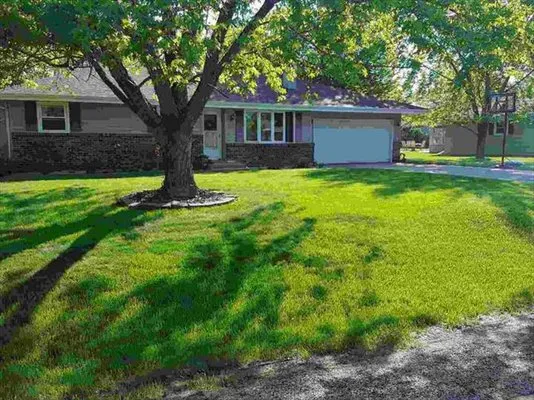
Sharp Cuts Lawn & Landscaping is a trusted, locally-owned landscaping company serving Rockton, IL, and the surrounding communities of Rockford, Roscoe, and South Beloit for over 15 years. We specializ...

Scott Lawn Care & Landscaping is a trusted, full-service exterior maintenance company serving Rockton, IL, and the surrounding area. We specialize in comprehensive lawn care, landscaping, and home ext...
Andrew Hermann Landscape Construction is a trusted Rockton, IL landscaping company specializing in comprehensive outdoor solutions for local homeowners. We address common area challenges like patchy g...

Executive Lawn Services & Sealcoating
Executive Lawn Services & Sealcoating is a trusted local provider serving Rockton, IL, and the wider Stateline Area. We specialize in comprehensive lawn care, landscape design, and seasonal maintenanc...
MGM Excavating & Landscaping
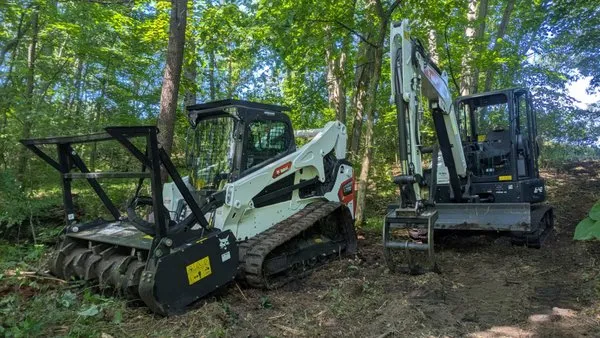
MGM Excavating & Landscaping, owned by Max Rykowski, is a Rockton-based company specializing in comprehensive property improvement and maintenance services for the Stateline area. We provide a wide ra...
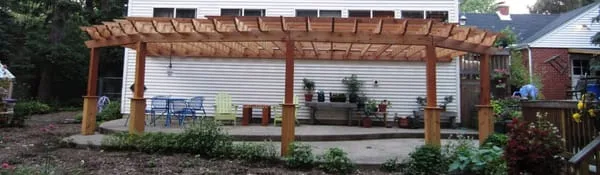
KMH Landscaping is a locally owned and operated business serving Rockton, IL, and the surrounding Northern Illinois and Southern Wisconsin areas. With years of experience, we specialize in turning you...

Concept Landscaping & Lawn Care is a trusted, locally-owned service provider in Rockton, IL, dedicated to maintaining and enhancing outdoor spaces year-round. We specialize in firewood delivery, compr...
FAQs
How can I maintain a green lawn without wasting water?
Rockton's voluntary conservation status and the demands of a Kentucky Bluegrass/Tall Fescue blend require precision. A smart, Wi-Fi-enabled ET (Evapotranspiration) based irrigation system is the solution. It automatically adjusts watering schedules by pulling local weather data, applying water only when the turfgrass actually needs it. This technology prevents overwatering during rainy periods and deepens root systems, making your lawn more drought-resilient while staying well within municipal water use expectations.
Are concrete pavers a better choice than wood for a new patio?
For longevity and low maintenance in Rockton's climate, concrete pavers are superior to wood. They are impervious to rot, insect damage, and the freeze-thaw cycles of Zone 5b, offering a decades-long service life with minimal upkeep. While Rockton has a low Fire Wise rating, non-combustible materials like pavers or crushed limestone also contribute to defensible space. Their modular nature allows for excellent drainage and can be reset if future utility access is needed.
What are my options for a lower-maintenance, eco-friendly yard?
Transitioning sections of high-input turf to a native plant community is a forward-looking strategy. Species like Purple Coneflower, Little Bluestem, Butterfly Milkweed, and Wild Bergamot are adapted to Zone 5b, require no fertilization once established, and need minimal watering. This xeriscaping approach reduces mowing frequency and eliminates the need for gas-powered blowers, future-proofing your property against evolving noise ordinances and supporting local pollinator biodiversity.
Do I need a permit to regrade my backyard, and who is qualified to do the work?
Yes, significant regrading on a 0.25-acre lot typically requires a permit from the Rockton Village Building and Zoning Department to ensure proper drainage and compliance with local codes. This work must be performed by a licensed professional. In Illinois, landscape contractors performing such earth-moving and architectural work must be licensed by the Illinois Department of Financial and Professional Regulation. Hiring a licensed entity guarantees they carry the required insurance and have proven competency in soil mechanics and grading standards.
My yard stays soggy for days after a rain. What's the fix?
This is a common issue with Rockton's silt loam soils and the area's moderate seasonal high water table. The fine soil particles slow percolation, leading to surface saturation. Solutions include installing French drains or dry creek beds to intercept and redirect water. For new hardscapes, specifying permeable concrete pavers or open-graded crushed limestone allows stormwater to infiltrate on-site, which often aligns with the Rockton Village Building and Zoning Department's runoff management standards.
Can you handle an urgent HOA violation notice for overgrown landscaping?
Yes. For a compliance-driven emergency cleanup in Downtown Rockton, we dispatch crews from our central hub near Settlers Park. The route north on IL-2 allows for consistent access, with a target arrival window of 20-30 minutes during peak hours. Our fleet includes quiet, electric-powered equipment compliant with Rockton's 7 AM to 9 PM noise ordinance, enabling immediate work upon arrival to rectify turf height, edging, or similar. Our maintenance fleet is fully electric, which permits operation during the restricted hours of 7 AM to 9 PM per local noise ordinance, ensuring we can address the notice promptly.
Why does my soil seem so compacted and lifeless?
Properties in Downtown Rockton, built around 1996, have soil profiles that are roughly 30 years mature. The prevalent Mollisols, a silt loam with a near-neutral pH of 6.8-7.2, was likely stripped of its topsoil during construction and then compacted by heavy equipment. This process degrades soil structure, reducing pore space for air, water, and root growth. Annual core aeration and the incorporation of composted organic matter are critical to rebuild soil biology and restore permeability, mimicking the natural prairie conditions this soil type originally supported.
What invasive species should I watch for, and how do I control them?
In this region, watch for aggressive perennials like creeping bellflower or bush honeysuckle. Manual removal is effective for small infestations. For chemical control, always use Illinois Department of Agriculture-approved herbicides and strictly adhere to the Illinois Phosphorus Fertilizer Act, which prohibits phosphorus application near waterways and may have seasonal blackout dates. Proper identification and targeted, timely treatment are key to eradication without harming desirable plants or the environment.
