Top Landscaping Services in Rockford, IL, 61020 | Compare & Call

LawnCare by Walter
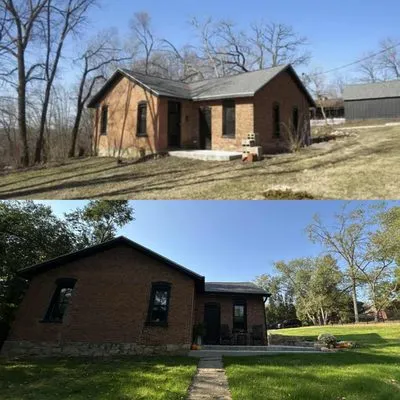
LawnCare by Walter has been a trusted local lawn and landscape provider in Rockford, IL, since 1986. Founded by Mark and Debbie Walter, this family-owned business has grown from a small operation into...
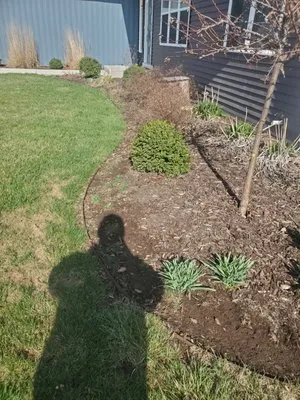
Escobar Lawn Services is a Rockford-based company dedicated to keeping your outdoor spaces well-maintained year-round. We specialize in comprehensive lawn care and reliable snow removal, serving homeo...
Joe's Landscaping of Rockford is a trusted local landscaping company serving Rockford, IL, and the surrounding areas. We specialize in diagnosing and resolving common local lawn problems, particularly...
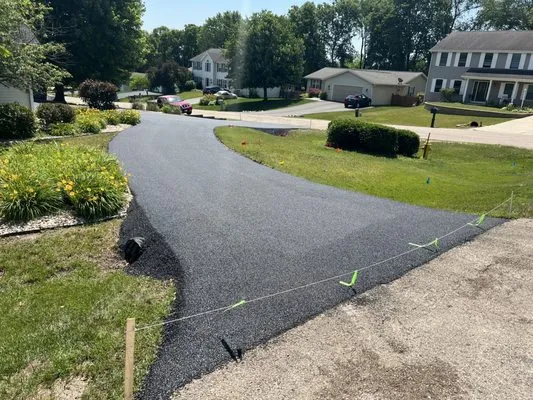
Image Pro's is a Rockford-based landscaping and masonry contracting business founded in 2000. Starting as a two-person operation, it has grown to employ 48 trained professionals dedicated to serving r...
Crimson Valley Landscaping
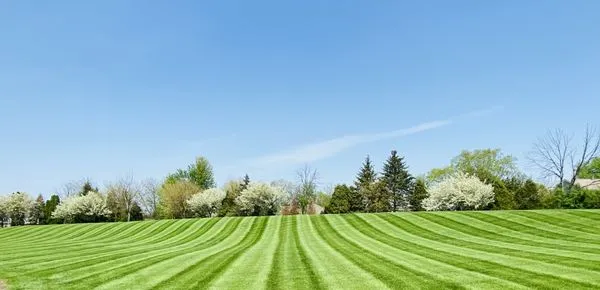
Crimson Valley Landscaping has been a trusted name in the Rockford area since 2001, specializing in creating custom outdoor living spaces that enhance homes and lifestyles. We focus on professional la...
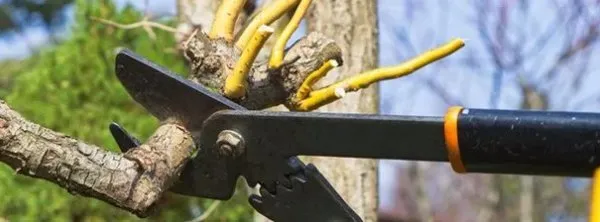
Hernandez Brothers is a locally owned and operated landscaping company serving Rockford, IL, with comprehensive outdoor services including tree care, snow removal, and landscape construction. We speci...

With over 20 years of experience serving Rockford, IL, TJ Held Landscaping is your local partner for enhancing outdoor living. Our team of dedicated designers and skilled craftspeople works closely wi...
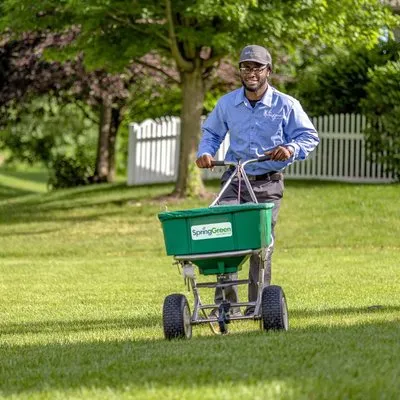
SpringGreen has been serving Rockford, IL, for over 45 years, providing reliable lawn care, pest control, and tree services. As a local industry leader, we focus on creating healthy, pest-free landsca...

RL Lopez Landscaping is a locally owned and operated business in Rockford, IL, dedicated to enhancing your outdoor space. Whether you need a simple weekly mow or a complete landscape design transforma...

Zuniga Lawn Care And Snow Removal Services is a trusted local provider in Rockford, IL, specializing in comprehensive lawn care and snow removal solutions. Many Rockford homes face common landscaping ...
Common Questions
What permits and credentials are needed for regrading my yard?
Significant regrading on a 0.22-acre lot that alters water flow typically requires a permit from the Rockford Community Development Department. The contractor performing this work must hold a relevant license from the Illinois Department of Financial and Professional Regulation, such as in landscaping or excavation. This ensures the work meets engineering and environmental standards, protecting you from liability related to drainage issues affecting neighboring properties.
How do I keep my Kentucky Bluegrass lawn green without wasting water?
In Rockford's Zone 5b, smart Wi-Fi ET-based controllers are the most effective tool. These systems adjust runtime daily based on local evapotranspiration data, applying water only as needed. This method can reduce usage by 20-30% compared to traditional timers while maintaining turf health. Adhering to standard conservation guidelines, this technology prevents overwatering, which is particularly crucial given the soil's poor infiltration rate.
How should I deal with invasive weeds without harming my lawn?
For common invaders like creeping Charlie or garlic mustard, targeted spot-treatment with a selective, non-phosphorus herbicide is most effective. Timing is critical; apply in early fall when perennials are sending energy to their roots. This approach complies with the Illinois Phosphorus Fertilizer Application Act, which prohibits phosphorus application on established turf unless a soil test confirms a deficiency. Always follow label instructions for safe application.
My yard floods after heavy rains. What's a lasting solution?
Persistent pooling is a direct result of the dense glacial till subsoil common here, which severely limits infiltration. A functional solution involves creating a shallow, graded swale lined with permeable materials like crushed limestone to direct water away from foundations. For patios, using permeable concrete pavers can significantly reduce runoff. These approaches often align with the Rockford Community Development Department's stormwater management standards for residential properties.
Why does the soil in my Haight Village yard seem so compacted and heavy?
Most homes in this area, built around 1963, are situated on dense, unamended glacial till. Over 60+ years, standard construction and maintenance have compacted the native Mollisols, a silty clay loam. This soil type has naturally poor permeability, which is now exacerbated by a lack of organic matter. Core aeration and incorporating compost are essential to rebuild soil structure and improve root zone health for any new planting.
Are concrete pavers a better choice than wood for a new patio?
For longevity and minimal maintenance in our climate, concrete pavers are superior to wood. They are unaffected by freeze-thaw cycles when installed with a proper base, and their inorganic nature does not decompose. In terms of fire safety, which is a consideration even in Rockford's low Fire Wise rating zones, pavers provide a non-combustible defensible space immediately adjacent to the home, unlike wooden decks.
How quickly can you respond to an emergency storm cleanup to avoid HOA fines?
Our standard emergency dispatch targets a 20-30 minute arrival to Haight Village from our central staging near the Nicholas Conservatory & Gardens. Crews travel via I-39/US-20, equipped with electric-powered chippers and trailers to comply with local noise ordinances upon arrival. We prioritize securing hazardous limbs and clearing walkways to meet immediate safety and compliance deadlines before full debris removal.
What are low-maintenance alternatives to my high-input lawn?
Transitioning sections of turf to a native prairie planting is a forward-looking strategy. Species like Purple Coneflower, Little Bluestem, and Prairie Dropseed are adapted to Zone 5b and require no fertilization, minimal watering once established, and only an annual cutback. This reduces dependency on gas-powered mowers and blowers, aligning with evolving noise ordinances and electric fleet trends. It also provides critical habitat, supporting local biodiversity.
