Top Landscaping Services in Rock Creek Lima, IL, 61014 | Compare & Call
There are 49 landscaping companies server in Rock Creek Lima IL
Aerate Dethatch Pathology
Aerate Dethatch Pathology is a Rock Falls, IL landscape provider with over 12 years of experience, dedicated to enhancing lawns, trees, plants, and soil health. We believe in working with nature, not ...

Holden Construction & Landscaping
Holden Construction & Landscaping is a trusted, locally-owned contractor in Polo, Illinois, providing expert excavation, landscaping, and general contracting services. We understand the unique challen...
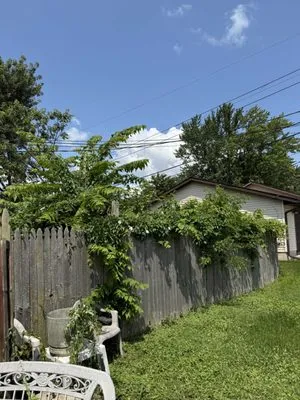
TNT Services is a licensed and insured landscaping company serving Rock Falls, IL, and the surrounding area. We specialize in comprehensive outdoor solutions including landscape maintenance, tree care...
Two Squared Landscaping is a professional landscaping and lawn maintenance company serving Polo, IL, and surrounding communities like Milledgeville, Dixon, Sterling, Oregon, and Mount Morris. We speci...
Triple G Lawn Care is your trusted, local lawn service provider in Polo, Illinois. We understand the common challenges Polo homeowners face, such as unsightly patchy grass and poor lawn grading that c...

Since 1996, Sisson Lawn & Landscape has been the trusted landscaping partner for homeowners in Sterling and the surrounding counties of Whiteside, Lee, Ogle, Carroll, and Bureau. Rooted in the local c...
Plum Creek Landscape Contractors is a trusted local landscaping company serving Lanark, IL, and the surrounding areas. We specialize in addressing the common yard drainage problems and patchy grass la...
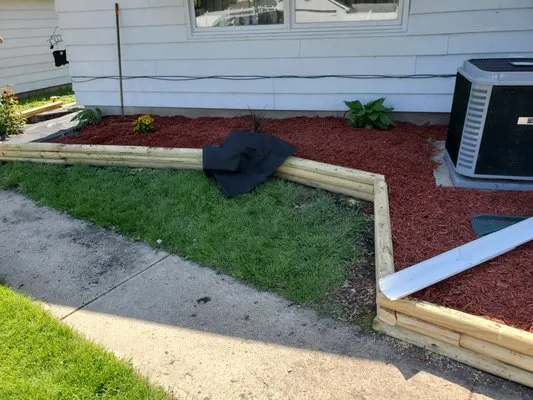
Two Squared Landscaping is a trusted local landscaping company serving Milledgeville, IL, specializing in comprehensive landscape maintenance, lawn care, and tree services. We understand the common ch...
Cory's Landscaping & Lawn Service
Cory's Landscaping & Lawn Service is a trusted local provider in Lanark, IL, specializing in landscape design and maintenance. Many homeowners in the area face common issues like dead lawn patches and...
Estimated Landscaping Service Costs in Rock Creek Lima, IL
Question Answers
My yard is soggy for weeks in spring. What's the fix?
Seasonal saturated soils are common here due to the high water table and silt loam's slow permeability. The long-term solution integrates subsurface drainage like French drains with surface grading. Replacing impervious surfaces with permeable concrete pavers for patios or walkways significantly reduces runoff. This approach often meets the Adams County Planning & Zoning Department's stormwater management standards by allowing water to infiltrate on-site rather than contributing to system overload.
How quickly can you respond to a storm-damage emergency?
For emergency cleanup to meet HOA compliance deadlines, our electric fleet can dispatch from our base near Lima Veterans Memorial Park. Taking IL-336 to Riverwood Estates allows a peak response time of 20-30 minutes. We coordinate this routing with real-time traffic data to ensure timely arrival. Our battery-powered equipment also allows us to operate within the local noise ordinance hours (8:00 AM - 7:00 PM) without disruption.
What permits and credentials should I verify for a patio or grading project?
Any significant grading or hardscape installation on a 0.35-acre lot typically requires a permit from the Adams County Planning & Zoning Department to ensure compliance with drainage and setback codes. Crucially, you must hire a contractor licensed by the Illinois Department of Financial and Professional Regulation. This licensing ensures they carry required insurance and have passed competency exams. Never assume a general handyman is legally authorized to perform this specialized site work, as improper grading can cause costly drainage issues for you and your neighbors.
How do I keep my grass green during water restrictions?
Stage 1 voluntary conservation in Rock Creek Lima requires efficient water use. A Wi-Fi ET-based weather-sensing irrigation system is the solution, as it applies water only when evapotranspiration data indicates plant need. This technology can reduce water use by 20-30% compared to timer-based systems, keeping Tall Fescue and Kentucky Bluegrass healthy within municipal limits. Properly calibrated, it prevents overwatering, which is crucial given the area's high water table.
Why is my lawn so compacted and thin?
Homes in Riverwood Estates, built around 1974, sit on 52-year-old landscapes where the original topsoil has degraded. The prevalent silt loam soil, while fertile, compacts easily under decades of foot traffic and machinery, reducing oxygen and water percolation to roots. This compaction directly stresses Kentucky Bluegrass, which requires good soil structure. Annual core aeration and top-dressing with compost are critical to rebuild organic matter and improve permeability for a healthier turf.
Are permeable pavers a better choice than a wood deck?
For longevity and low maintenance in our climate, permeable concrete pavers are superior to wood. They resist frost heave, will not rot or splinter, and have a lifespan measured in decades. Their permeability manages stormwater on your 0.35-acre lot, reducing runoff. From a Firewise perspective, pavers create a non-combustible defensible space zone adjacent to the home, which is a recommended practice even in a Low urban interface rating area for enhanced property resilience.
What are the biggest weed threats and how do I handle them safely?
In this region, invasive species like creeping Charlie, crabgrass, and Japanese knotweed pose significant threats. Management starts with proper cultural practices—mowing Tall Fescue high (3-4 inches) to shade out weeds. For targeted control, use selective, EPA-registered herbicides only when necessary, strictly following label instructions. Note that the local fertilizer ordinance prohibits phosphorus application without a soil test, so any weed-and-feed product must be chosen carefully to avoid violation and nutrient runoff.
What's a lower-maintenance alternative to my traditional lawn?
Transitioning sections of high-input turf to a native plant community is a strategic, sustainable upgrade. Species like Purple Coneflower, Little Bluestem, and Butterfly Milkweed are adapted to Zone 5b, requiring no fertilization, minimal watering once established, and no weekly mowing. This shift reduces fuel consumption and noise, aligning with the move toward electric equipment and gas-blower restrictions. It also provides critical habitat, supporting local biodiversity far beyond a monoculture lawn.
