Top Landscaping Services in Richland Grove, IL, 61262 | Compare & Call
There are 40 landscaping companies server in Richland Grove IL
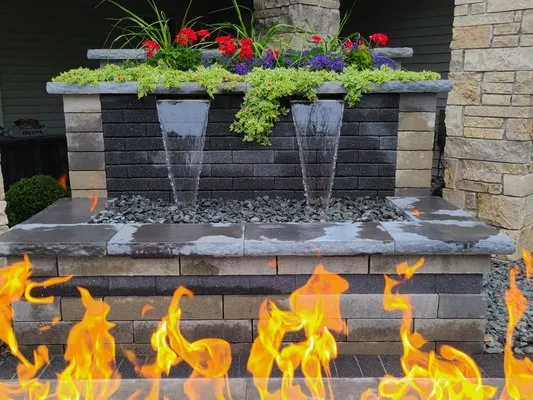
Outdoor Innovations is a family-owned landscaping company serving Aledo and the Quad Cities, led by owners Ken and Barbara Hoffman. Ken applies over 30 years of professional landscape design and const...
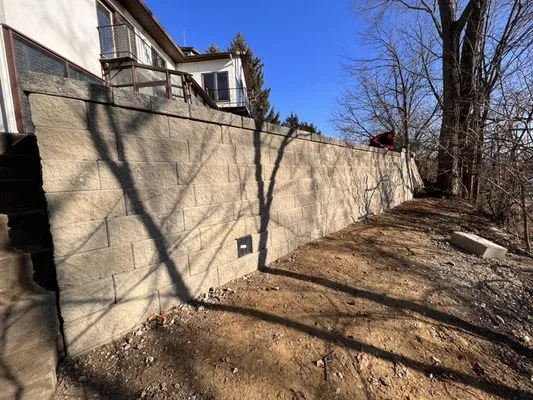
All Seasons Lawnscape is a Milan, IL-based landscaping and tree service company founded in 2000, offering comprehensive outdoor solutions for both residential and commercial properties. With over 25 y...
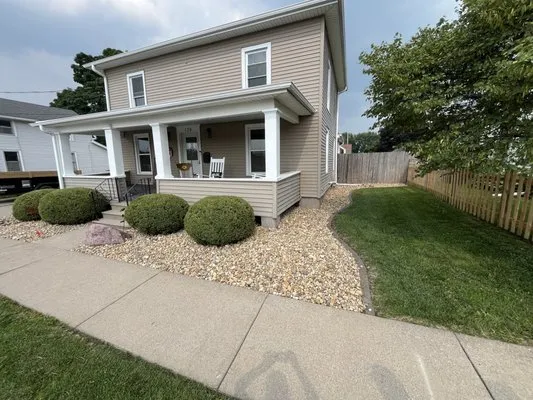
T&A Lawn Care is your trusted, full-service partner for maintaining a healthy and beautiful yard in Geneseo. We understand the unique challenges local homeowners face, like dealing with dying shrubs o...

Keller's Lawn Care is a trusted local lawn service provider in Cambridge, IL, dedicated to helping homeowners maintain healthy, beautiful yards. We specialize in comprehensive lawn care solutions that...
Adlfinger Landscaping is a trusted local landscaping company serving Milan, IL, and the surrounding Quad Cities area. We specialize in addressing common local landscaping challenges, particularly irri...
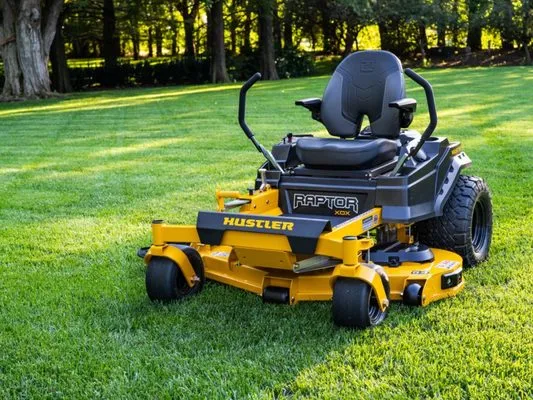
Track&Trail Landscaping Specialists is a local Aledo, IL company with over 15 years of experience dedicated to transforming your outdoor space. We believe your yard should be a personal haven, a place...
Courson Services is a trusted, locally-owned lawn care and snow removal company serving Abingdon, IL, and the surrounding area. We specialize in providing reliable, year-round property maintenance for...
Harkey Landscaping is your trusted, local Sherrard expert for gardening and landscape maintenance. We understand the unique challenges of our Illinois soil, like compaction that restricts root growth ...
Ty's Tree and Lawn is a trusted, locally-owned tree service and landscaping company serving Lynn Center and the surrounding areas. We specialize in both tree care and landscape maintenance to create a...
Rutledge Nursery & Landscape is a trusted, family-owned resource for homeowners in Alpha, IL, and the surrounding area. For years, we've helped our neighbors tackle common local landscaping challenges...
Estimated Landscaping Service Costs in Richland Grove, IL
Questions and Answers
What's the best solution for the seasonal ponding in our backyard?
Moderate ponding results from the low permeability of Mollisols silt loam. Installing a French drain system tied to a dry well is the primary correction. Complementing this with permeable concrete pavers for patios or walkways increases surface infiltration. This integrated approach manages runoff effectively and often meets the Richland Grove Department of Planning & Zoning's updated standards for stormwater management on residential lots.
Is there a lower-maintenance alternative to our current lawn that also helps local wildlife?
Transitioning sections of turf to a native plant community is a strategic solution. Species like Purple Coneflower, Little Bluestem, Butterfly Milkweed, and Wild Bergamot are adapted to Zone 5b and require no irrigation or mowing once established. This xeriscaping reduces water use, eliminates gas mower emissions and noise, and provides critical habitat, aligning with evolving 2026 biodiversity and quiet community standards.
How quickly can a crew respond for urgent storm debris cleanup to meet HOA deadlines?
For emergency cleanup in Prairie View Estates, a crew can be dispatched from the Richland Grove Community Center. The route via I-74 allows for a 20-30 minute arrival during peak periods. We prioritize these calls with electric equipment to comply with the local noise ordinance, enabling immediate start upon arrival to secure the property and address compliance issues efficiently.
Why does our neighborhood soil seem so compacted and difficult to work with?
Properties in Prairie View Estates, developed on average in 1971, have a 55-year soil history. The original Mollisols silt loam was graded and compacted during construction, degrading its natural structure. Over decades, routine maintenance without organic amendments has reduced permeability. Annual core aeration and top-dressing with compost are required to rebuild soil biology and mitigate the high clay content common in these lots.
What permits and credentials are needed for a significant backyard regrading project?
Regrading that alters water flow typically requires a permit from the Richland Grove Department of Planning & Zoning. On a 0.25-acre lot, this work must be performed by a contractor licensed by the Illinois Department of Financial and Professional Regulation. This licensing ensures understanding of soil mechanics, proper compaction, and adherence to drainage codes, protecting you from liability due to improper work that could affect neighboring properties.
Are permeable pavers a better long-term choice than a traditional wood deck?
Permeable concrete pavers offer superior longevity and functionality. Unlike wood, they require no sealing, staining, or replacement due to rot. Their permeability directly addresses drainage concerns, and they provide a non-combustible surface. While the local Fire Wise rating is Low, this material contributes to defensible space principles, adding a layer of resilience for properties at the urban-suburban interface.
Can we maintain a healthy lawn under the city's voluntary water conservation rules?
Yes, using Wi-Fi ET-based weather-sensing irrigation is critical. This system automatically adjusts watering schedules based on real-time evapotranspiration data, applying water only when the Kentucky Bluegrass and Tall Fescue blend actually needs it. This precise method often uses less water than manual schedules, keeping the turf healthy while adhering to Stage 1 conservation goals and preempting stricter municipal limits.
What should we do if we spot invasive species like creeping Charlie or garlic mustard?
Manual removal is the first line of defense; ensure you extract the entire root system. For persistent issues, a targeted, professional-grade herbicide application may be necessary. Any treatment must strictly avoid phosphorus, as per the local ordinance for non-agricultural turf. Applications should be timed for early fall or spring when the plants are actively translocating nutrients, maximizing effectiveness with minimal product.
