Top Landscaping Services in Port Byron, IL, 61275 | Compare & Call

There are 38 landscaping companies server in Port Byron IL

Disposal Pros
Disposal Pros has been serving the New Windsor community since 1993, built on a foundation of old-school values like respect, integrity, and honesty. We treat every customer with the care and dignity ...

D&D Property Pros is your local, full-service partner for excavation, landscaping, and demolition in Princeton, IL. We specialize in a comprehensive range of services designed to handle projects of an...
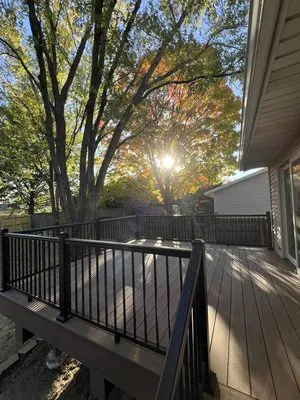
Bollinger Fence & Deck has been serving the Kewanee community for years, providing reliable outdoor solutions for homeowners and businesses. We specialize in transforming and protecting your property ...

TC Landscaping & Snow is a locally owned and operated business serving Abingdon and Central Illinois with reliable landscaping and snow removal services. We specialize in addressing common local chall...
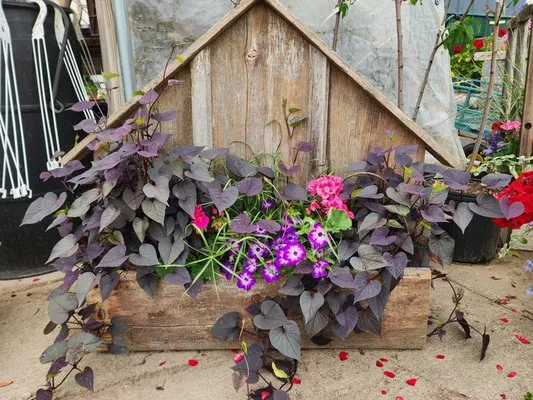
Landmark Landscaping Services
Landmark Landscaping Services LLC has been a trusted landscaping provider in Aledo, IL, and the surrounding Warren, Mercer, Rock Island, and Henry counties since 1998. We specialize in comprehensive y...
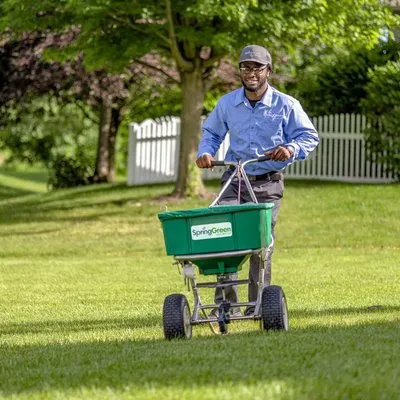
For over 45 years, SpringGreen has been the trusted local resource for comprehensive lawn, pest, and tree care in Galesburg. We understand the unique challenges of our local climate and soil, and our ...
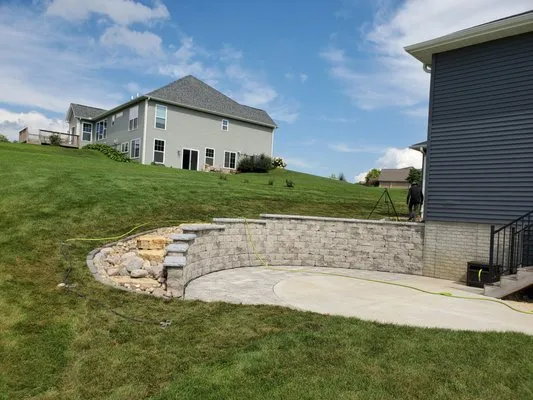
Countryman Hardscape & Landscape
Countryman Hardscape & Landscape is a family-owned and operated outdoor services provider in East Moline, IL, with over four decades of trusted service throughout the Quad Cities. We believe in a coll...
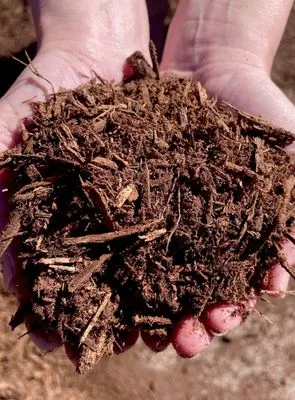
Raney Tree Care is a Moline-based tree service and landscaping company serving the Quad Cities area. We specialize in providing high-quality double-ground organic mulch in dyed black, brown, red, and ...

Rebenar Services is a locally-owned landscaping and snow removal company serving East Moline, IL, with over 7 years of experience. Founded by owner Peter Rebenar, who started mowing lawns at age 13 an...
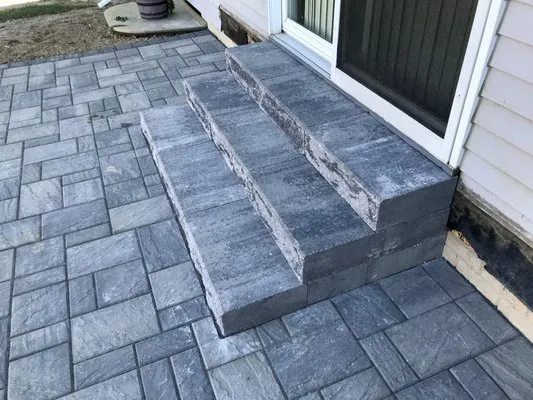
Born and raised in Moline, Lundahl Landscaping's founder established the company in 2019 with a clear mission: to offer the Quad Cities honest, affordable, and fair landscape advice and options. With ...
Estimated Landscaping Service Costs in Port Byron, IL
Question Answers
What are the benefits of replacing traditional turf with native plants in our landscape?
Transitioning to Purple Coneflower, Butterfly Milkweed, Little Bluestem, and Wild Bergamot reduces maintenance frequency by 60-80% compared to conventional turf. These natives require no fertilization, minimal watering once established, and provide essential habitat for pollinators. The shift supports 2026 biodiversity standards while eliminating gas-powered equipment use ahead of tightening noise ordinances. Native root systems extend 6-10 feet deep, stabilizing soil against erosion and improving water infiltration.
What permits and licensing are required for grading work on our 0.35 acre property?
Grading that alters water flow patterns or involves more than 50 cubic yards of earth movement requires a permit from Port Byron Village Hall Planning Department. Contractors must hold appropriate licensing through the Illinois Department of Financial and Professional Regulation, specifically landscape architecture or excavation endorsements. On 0.35 acre lots near waterways, additional erosion control plans may be mandated. Always verify contractor credentials match the scope of work, as improper grading can create drainage issues affecting neighboring properties.
What invasive species should we watch for, and how do we treat them safely near waterways?
Garlic mustard and Japanese knotweed pose significant threats in Port Byron's riparian zones. Manual removal before seed set is most effective for small infestations. For larger areas, phosphorus-free herbicides approved for aquatic use should be applied during dry periods to prevent runoff. Always check local blackout dates for fertilizer and herbicide applications near waterways. Regular monitoring in early spring catches invaders before they establish, protecting both your landscape and riverbank ecosystems.
Our property near the river experiences seasonal saturation - what drainage solutions work with our soil type?
Silty clay loam's low permeability exacerbates riverbank saturation issues during wet seasons. Installing French drains with clean gravel and perforated pipe at 18-24 inch depths creates subsurface drainage channels. Using crushed limestone for pathways instead of solid concrete increases surface permeability by 40-60%. These solutions meet Port Byron Village Hall Planning Department runoff standards while directing water away from foundations. Grading should maintain a minimum 2% slope away from structures.
How do we maintain our Kentucky Bluegrass and Tall Fescue blend during dry periods without violating water restrictions?
Wi-Fi ET-based weather sensing irrigation systems calculate evapotranspiration rates specific to Port Byron's microclimate, applying water only when needed. This technology typically reduces water usage by 20-30% compared to traditional timers while maintaining turf health. The system automatically adjusts for rainfall and humidity, ensuring your blend receives optimal moisture without exceeding voluntary conservation guidelines. Deep, infrequent watering cycles encourage deeper root systems that better withstand drought conditions.
We need emergency storm cleanup to meet HOA compliance deadlines - how quickly can you respond?
Our electric maintenance fleet can dispatch from Lock and Dam 14 via IL-84, reaching Port Byron Historic District properties within 25-35 minutes during peak response times. This rapid deployment ensures we address fallen branches, debris clearance, and turf restoration before HOA violation notices are issued. Our quiet electric equipment operates within the 10 PM to 7 AM noise ordinance restrictions, allowing for extended work windows when necessary.
Our Port Byron Historic District home was built in 1975 - what does that mean for our soil health?
With 51 years of soil development since construction, your silty clay loam has likely become compacted from decades of foot traffic and equipment use. This soil type naturally has low permeability, which restricts root growth and water infiltration. Core aeration every 2-3 years is essential to improve soil structure and oxygen availability. Adding 2-3 inches of compost annually will increase organic matter content, enhancing both drainage and nutrient retention in these mature landscapes.
How does crushed limestone compare to wood for pathways in terms of longevity and fire safety?
Crushed limestone pathways offer superior longevity, lasting 15-20 years versus wood's 5-8 year lifespan in our climate. The material's natural compaction creates stable surfaces resistant to frost heave. For fire-wise considerations in moderate risk zones, limestone provides non-combustible defensible space around structures. Concrete pavers offer additional fire resistance while allowing for creative patterns. Both materials maintain the required clearance around foundations without contributing to fire spread potential.
