Top Landscaping Services in Peru, IL, 61301 | Compare & Call

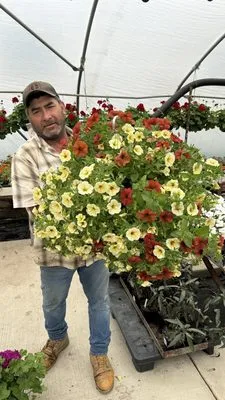
Since 1947, Peru Greenhouses & Landscaping has been the local source for creating and maintaining beautiful landscapes in Peru, IL, and the surrounding communities. From our greenhouse on Route 6 at t...

River Valley Lawn Care has been the trusted choice for Peru, IL, homeowners since 2010. Our local team provides comprehensive lawn care, from routine mowing and bush trimming to detailed seasonal clea...
For over 75 years, Peru Greenhouses has been a trusted part of the Peru, IL community, providing landscaping services and quality plants since 1947. As a locally owned business, we understand the spec...
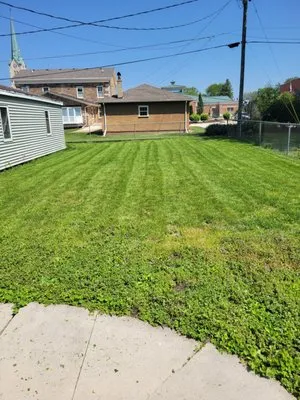
Aiden's Lawn Care in Peru, IL, is a locally owned and operated business built on years of hands-on experience. Starting at just 12 years old with a single riding mower in Oglesby, Aiden has steadily g...
Q&A
What permits and qualifications are needed to regrade my 0.22-acre lot?
Significant grading that alters water flow or involves retaining walls over 4 feet typically requires a permit from the Peru Building and Zoning Department. For engineered solutions, work must be performed by or under the supervision of a professional licensed by the Illinois Department of Financial and Professional Regulation. On a lot of this size, improper grading can negatively impact neighboring properties, making due diligence and proper licensing essential to avoid liability and ensure the project's long-term stability.
Why does my lawn in Downtown Peru have such compacted, poor soil?
The typical 1959 construction date means your soil profile has been settling for 67 years, creating a dense, stratified layer beneath the topsoil. Downtown Peru's silt loam, while naturally fertile, compacts easily under foot traffic and lacks the organic matter of a mature ecosystem. This compaction impedes root growth and water percolation. We recommend core aeration in fall, followed by top-dressing with compost, to reintroduce pore space and biology, fundamentally rebuilding soil structure over two to three seasons.
Is there a lower-maintenance, eco-friendly alternative to my traditional grass lawn?
Absolutely. Transitioning sections of turf to a native planting of Purple Coneflower, Butterfly Milkweed, and Little Bluestem creates a resilient, biodiverse landscape. These deep-rooted perennials require no fertilization, minimal watering once established, and provide critical habitat. This shift also future-proofs your property against evolving noise ordinances that restrict gas-powered blowers, as native beds generate less fine debris and are maintained with quieter electric equipment.
Are concrete pavers a better choice than wood for a new patio?
For longevity and low maintenance in Illinois' Zone 5b climate, concrete pavers are superior. Unlike wood, they resist frost heave, rot, and insect damage, offering a 30+ year service life. Using locally sourced St. Peter Sandstone for edging or accents provides aesthetic continuity. In our Low Fire Wise rated urban interface, pavers also create a critical non-combustible defensible space zone adjacent to your home, a key safety consideration often overlooked in residential design.
What should I do if I spot invasive species like Japanese Knotweed on my property?
Early identification and persistent management are crucial for invasives like Knotweed or Garlic Mustard. Manual removal or targeted, licensed herbicide application during the plant's active growth phase is standard. Any treatment plan must strictly adhere to the Illinois Nutrient Management Plan, particularly regarding phosphorus restrictions near waterways and observed blackout dates. We recommend a professional assessment to choose the safest, most effective control method that protects local ecology.
How can I keep my Kentucky Bluegrass lawn green during Peru's voluntary water conservation?
Modern Wi-Fi ET-based irrigation controllers are the solution. They automatically adjust run times daily using real-time weather data for evapotranspiration (ET), applying only the precise water lost. This system deepens root systems in your Tall Fescue blend, enhancing drought tolerance. Combined with a seasonal audit to fix leaks and calibrate heads, this technology often reduces water use by 20-30%, keeping you well within Stage 1 conservation goals without sacrificing turf health.
I get seasonal ponding in my yard. What's a lasting fix?
Ponding is a direct result of the high clay content in our local silt loam, which drastically reduces permeability. A tiered approach works best: first, install a French drain or dry creek bed to intercept and redirect surface flow. For new hardscapes, specify permeable concrete pavers set on an open-graded aggregate base, which meets Peru Building and Zoning Department standards for managing stormwater runoff on-site. Finally, amending soil with compost improves long-term infiltration.
A storm damaged trees near my property. How quickly can you respond for an emergency cleanup?
For urgent HOA compliance or safety issues, our electric fleet allows dispatch from our base near Washington Park outside standard noise ordinance hours. Taking I-80, our crew can typically reach most Downtown Peru addresses within the 20-30 minute peak response window. We prioritize securing the site, clearing debris from structures and walkways, and documenting damage for insurance, with full restoration scheduled once immediate hazards are mitigated.
