Top Landscaping Services in Pecatonica, IL, 61063 | Compare & Call
There are 85 landscaping companies server in Pecatonica IL

For over 25 years, Sparrow Lawn Care has been a trusted local provider of lawn, tree, and snow services for Freeport homeowners and businesses. Our team, known for our dependable black trucks, focuses...
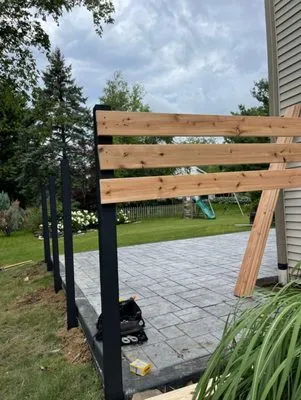
Greenscape Landscaping
Greenscape Landscaping is a Rockford-based company specializing in comprehensive landscaping, fencing, and masonry services. We help homeowners and businesses transform their outdoor spaces with earth...
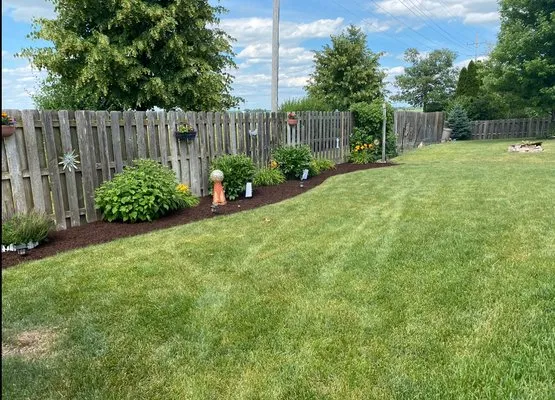
Ruben Armas Landscaping is a family-owned landscaping contractor serving Sycamore, IL, and surrounding areas since 2016. With over 30 years of combined experience, we specialize in lawn care, tree ser...
Deep Roots Yarding is a Rockford-based landscaping company dedicated to transforming outdoor spaces with comprehensive services. We specialize in addressing common local issues like landscape edging d...
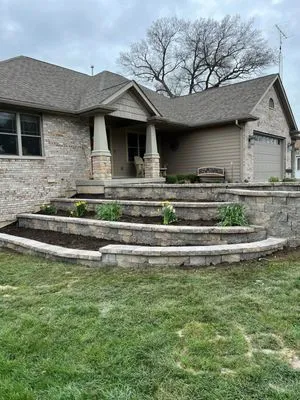
Hofherr's Landscaping is a Rockford-based landscaping company serving homeowners and businesses throughout the region. With expertise in both design and construction, they handle everything from initi...
Vences Brothers is a trusted, family-owned landscaping company serving Rockford, IL, and the surrounding areas. Specializing in comprehensive outdoor care, they offer a full range of services includin...
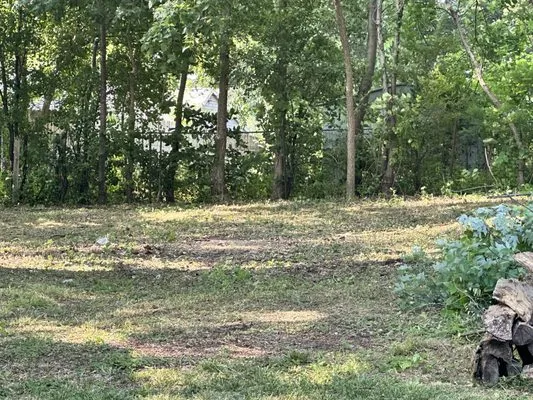
Jon’s And Dom’s Lawn Service is a trusted local lawn care provider serving Rockford, IL homeowners. We specialize in comprehensive lawn care solutions designed to address common local landscaping chal...
Lucios Landscaping is a Belvidere-based landscaping company owned and operated by Lucio Rivera. With over 15 years of hands-on experience, Lucio and his team provide reliable, year-round outdoor servi...
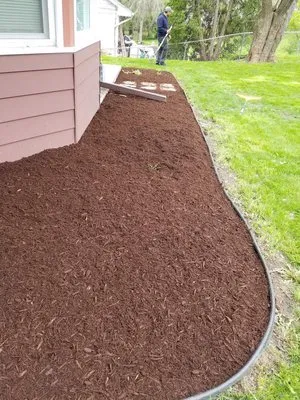
Forest City Lawn Care is a trusted lawn service provider in Rockford, IL, dedicated to maintaining healthy, vibrant lawns for local homeowners. We specialize in comprehensive lawn care solutions that ...
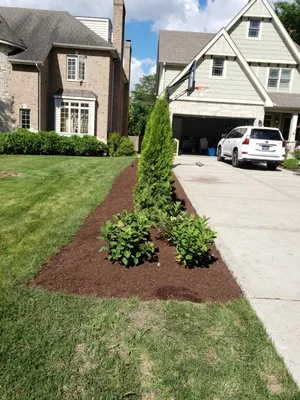
Handy Man Vic is your trusted, locally owned home improvement partner in Rockford, IL. We focus on bringing your vision to life with reliable carpentry, expert handyman services, and creative landscap...
Estimated Landscaping Service Costs in Pecatonica, IL
Questions and Answers
Our backyard stays soggy for days after rain. What is the most effective long-term solution?
Persistent wetness indicates the seasonal high water table interacting with the impermeable clay subsoil. A French drain system, daylighting into a rain garden planted with native species like Swamp Milkweed, is a definitive correction. For new patios or walkways, specifying open-graded crushed limestone as a base beneath concrete pavers increases surface permeability. The Village of Pecatonica Building & Zoning Department now encourages these designs to manage stormwater runoff on-site and reduce municipal system loads.
A storm damaged several trees, and our HOA requires cleanup within 48 hours. What is your emergency response protocol?
Our storm dispatch routes crews from the Pecatonica Village Hall staging area directly onto US-20 for optimal access. For a standard 0.25-acre property in your area, we allocate a two-person crew with an electric chipper and hauling equipment, targeting a 45 to 60-minute arrival during peak periods. We prioritize securing the site and removing hazardous limbs before initiating full debris processing, ensuring immediate compliance and safety.
Is a wood deck or a paver patio more suitable for our climate and long-term upkeep?
Concrete pavers on a crushed limestone base offer superior longevity in Pecatonica's freeze-thaw cycles compared to wood, which requires frequent sealing and is prone to rot. The non-combustible nature of stone and concrete also contributes to a higher Fire Wise rating, an increasing consideration for insurers. A properly installed permeable paver system addresses the lot's drainage needs while providing a stable, low-maintenance surface that integrates seamlessly with the region's material vernacular.
Our lot has heavy, sticky soil that seems to suffocate plants. Is this typical for Pecatonica homes?
Mature clay-loam Mollisols are common in Downtown Pecatonica, where 70-year-old properties have experienced decades of construction compaction. This soil's high density, with a pH of 6.8-7.2, severely limits root penetration and water permeability. Annual core aeration in spring, combined with a 1/4-inch topdressing of screened compost, is essential to rebuild structure. Over several seasons, this practice introduces organic matter and macro-pores, transforming the soil into a more friable, plant-supportive medium.
We want to reduce mowing, gas usage, and noise. What is a lower-maintenance alternative to our traditional lawn?
Transitioning perimeter zones to a native matrix of Little Bluestem, Purple Coneflower, and Wild Bergamot eliminates weekly mowing and gas-powered edging. These deep-rooted perennials thrive in existing soil, require no synthetic fertilizer after establishment, and provide critical habitat. This shift aligns with evolving noise ordinances restricting early-morning gas blowers and supports municipal biodiversity goals. The resulting landscape needs only a single annual cutback, performed with quieter electric equipment.
What permits and contractor qualifications are needed to regrade our yard for better drainage?
Regrading that alters water flow across a 0.25-acre property line typically requires a permit from the Village of Pecatonica Building & Zoning Department to ensure compliance with drainage ordinances. The contractor must hold an active Illinois Department of Financial and Professional Regulation license for landscaping or excavation. This licensing verifies they carry the required insurance and understand state soil erosion standards, protecting you from liability for downstream sedimentation or improper structural fill.
We've spotted what looks like Japanese Knotweed. How should we handle invasive species here?
Early identification and containment are critical for aggressive perennials like Japanese Knotweed or Garlic Mustard. Illinois' phosphorus ban does not affect most labeled herbicides for invasive control, but application timing is governed by seasonal growth cycles. For ecological removal, we employ targeted cut-stem treatments in late summer, followed by solarization or manual digging for smaller patches. A multi-year management plan is typically required to exhaust the root reserves of such species without harming adjacent natives.
How can we maintain a healthy lawn during dry spells without violating water restrictions?
Smart, ET-based irrigation systems are calibrated for Pecatonica's Zone 5b climate and Kentucky Bluegrass water needs. These controllers use local weather data to apply water only when evapotranspiration rates demand it, often reducing usage by 20-30% compared to timer-based systems. Even under Stage 0 restrictions, this technology prevents overwatering, which is a primary cause of fungal disease in our silty clay loam. Properly managed, it delivers deep, infrequent watering that encourages drought-tolerant root systems.
